
There's nowhere quite like living on the hill. Whether you're in a Georgian cottage tucked down Holly Hill, a Victorian terrace overlooking Parliament Hill Fields, or one of those grand houses lining Hampstead Grove, you've got the best of both worlds: countryside vibes right in the middle of London.
But here's the thing: those beautiful period windows that give your home so much character? They're also letting in cold air, street noise, and a fair bit of stress when it comes to planning permissions.
If you've been wondering how to keep your home warm and quiet without ripping out the original sash windows or falling foul of conservation rules, secondary glazing is your answer. Let's dig into why it works so well up here on the heights of NW3 and N6.
Why Conservation Areas Love Secondary Glazing
Hampstead and Highgate don't mess around when it comes to preserving their village charm. Nearly every street is either a conservation area or home to listed buildings, which means you can't just swap out your windows for modern double glazing without permission (and honestly, good luck getting that through).
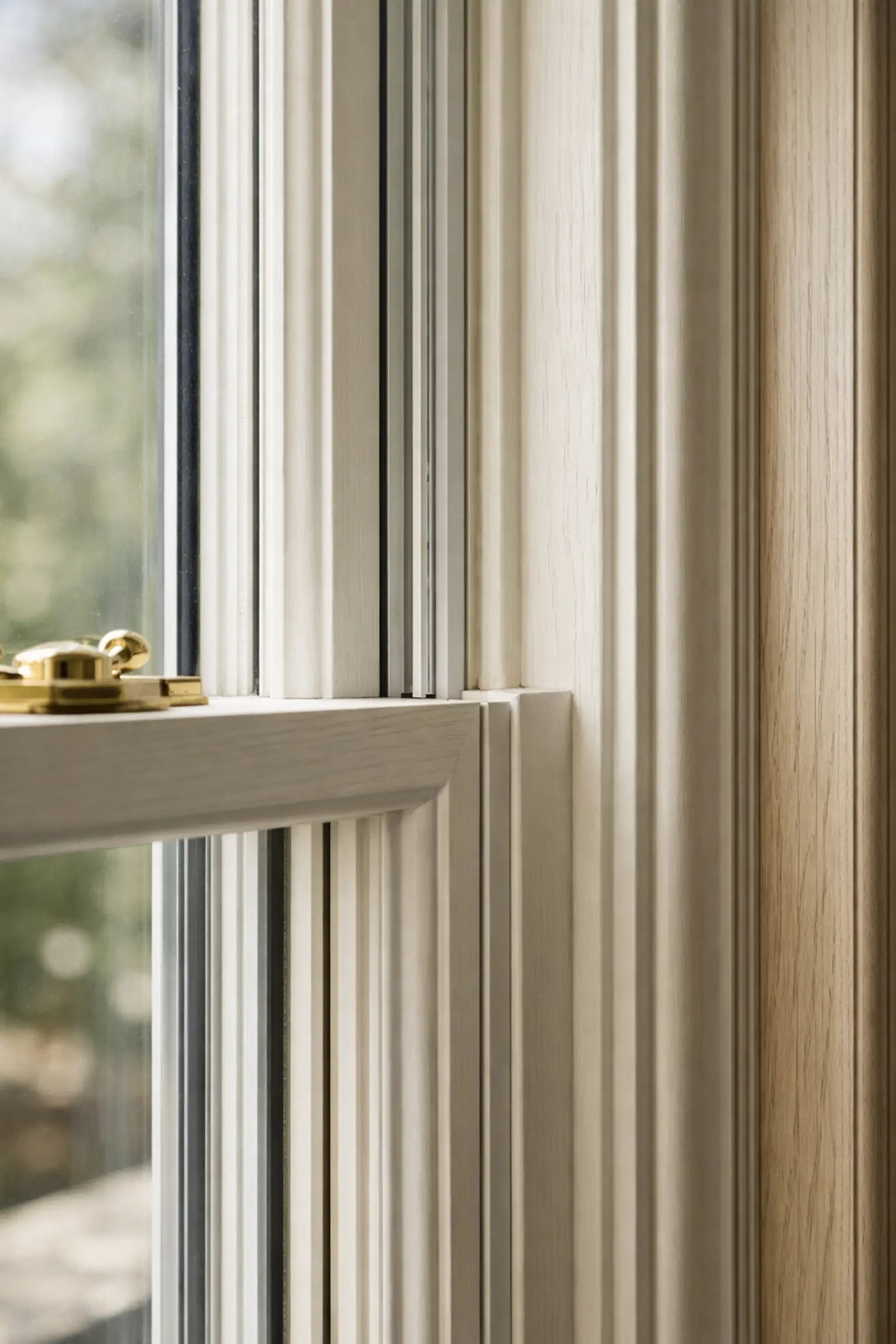
Secondary glazing is different. It sits inside your existing window frame—usually on the room side—so from the street, your windows look exactly the same. No change to the sightlines, no alteration to the historic fabric of the building. The conservation officer stays happy, your neighbours stay happy, and you get to enjoy a warm, quiet home.
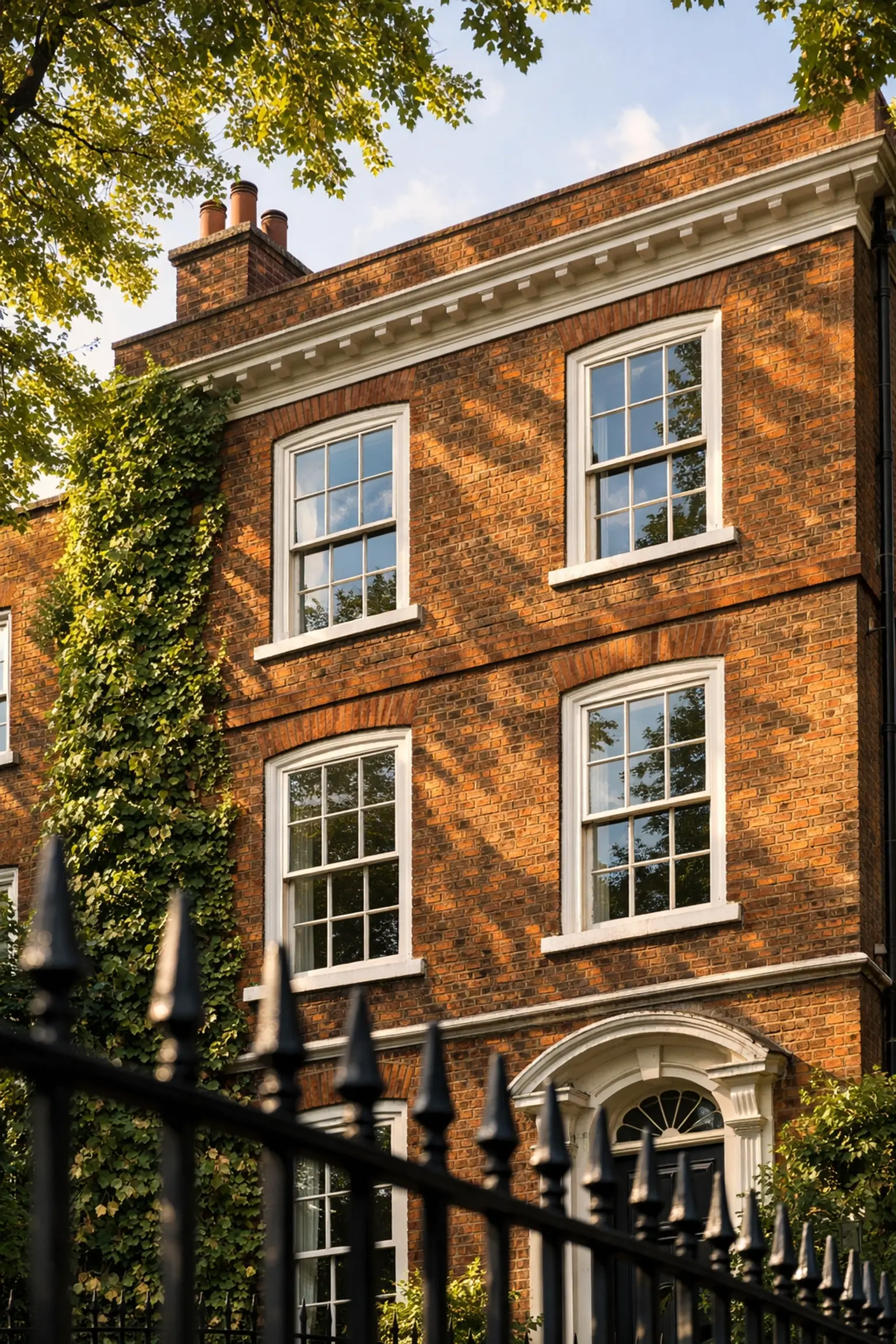
We've worked on everything from Grade II listed townhouses near Keats House to cottages in the Flask Walk conservation area. The feedback is always the same: "Why didn't we do this years ago?" Learn more about our approach to heritage and listed buildings.
The Hilltop Chill Is Real
Living at elevation has its perks—those views across London from Parliament Hill are hard to beat—but it also means you're more exposed to wind and weather. If you've ever stood in your living room on a January evening and felt a draught snaking across the floorboards, you'll know what we mean.
Period windows, especially sash windows, are notorious for gaps. The original putty dries out, the wood shifts over time, and suddenly you're heating the great outdoors instead of your home.
Secondary glazing creates a sealed air gap between your existing window and the new inner pane. That pocket of trapped air acts as a brilliant insulator, cutting heat loss by up to 60%. Your radiators actually do their job, your energy bills drop, and you stop needing to wear three jumpers indoors. Check our thermal performance guide for the technical details.

For homes in Highgate Village or around the Heath, where it can feel a few degrees colder than down in the flats of Central London, this makes a massive difference. Plus, because the system is removable, you can still open your windows in summer when you want that fresh air. Use our Energy Savings Estimator to calculate your potential savings.
Keeping the Quiet
One of the reasons people move to Hampstead and Highgate is the peace. You're surrounded by green space, tree-lined streets, and that lovely "village in the city" atmosphere. But even up here, noise can creep in: traffic on Hampstead High Street, deliveries rumbling up Highgate Hill, or the occasional siren heading to the Royal Free.
Secondary glazing is a brilliant noise buffer. The wider the air gap between your original window and the secondary pane, the better it blocks sound. For homes on busier routes like North End Way or Archway Road, it can reduce noise by 70% or more. Read more about understanding decibel reduction.
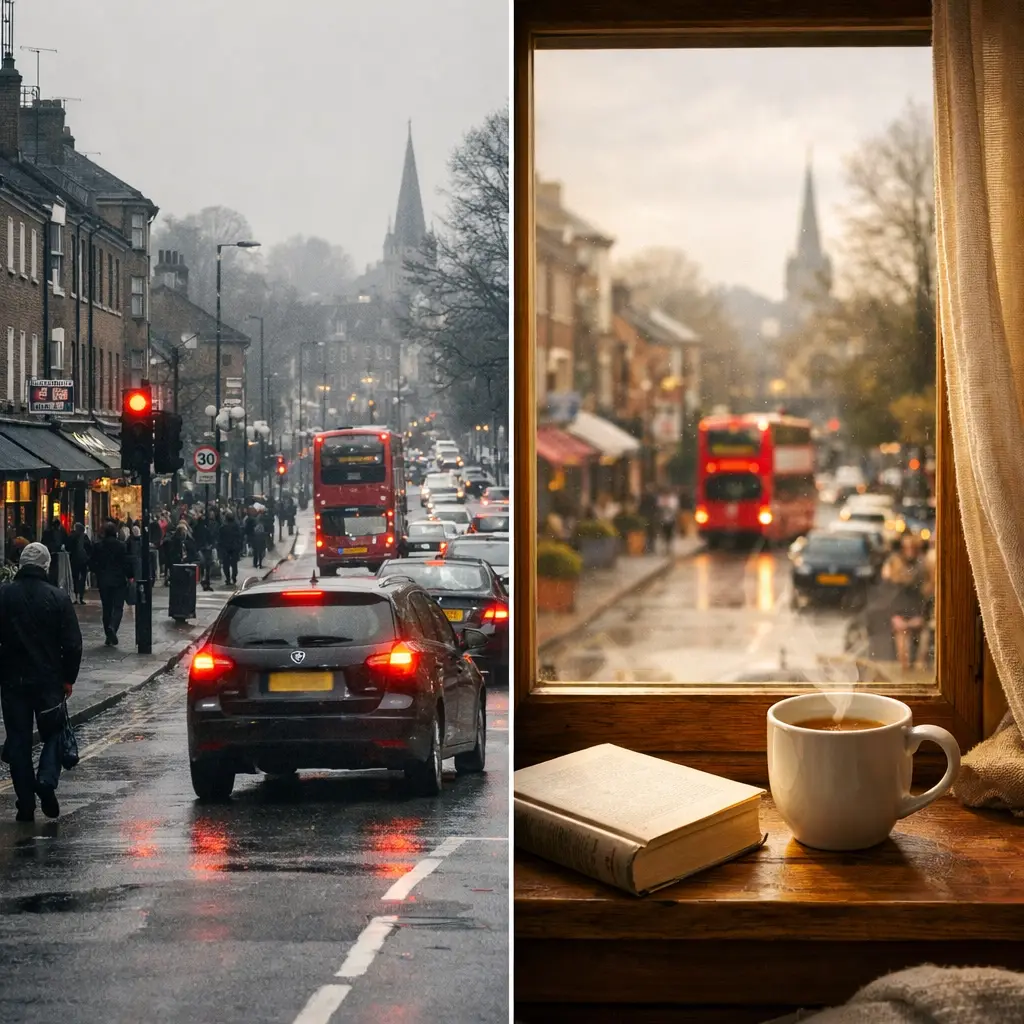
The difference is night and day. Instead of hearing every car engine and conversation outside, you get that deep, restful quiet that makes living up here so special. Perfect for working from home, Sunday lie-ins, or just enjoying the calm.
Slim, Subtle, and Practically Invisible
Let's be honest: nobody wants chunky plastic frames ruining the look of their beautiful period windows. That's where modern secondary glazing really shines.
The frames are typically slim aluminium or timber, colour-matched to your existing windows. From inside the room, they blend in so well that most visitors won't even notice them. And if you've got shutters or thick curtains, you can hide them completely when you want to.
We've installed secondary glazing in listed properties around Fenton House and the Burgh House, where every detail matters. The goal is always the same: improve comfort and performance without compromising the character of the building. See our acoustic glass specifications for frame and glass options.
What About Listed Buildings?
If your home is listed, you'll need Listed Building Consent before installing secondary glazing. The good news? Because it's a reversible, non-invasive solution, most applications get approved without too much fuss.
We've worked with conservation officers across Camden and Haringey councils and can help guide you through the process. The key is showing that the secondary glazing won't damage the original windows and can be removed in the future if needed. Our planning permission guide explains everything you need to know.
In practice, most conservation officers in Hampstead and Highgate are familiar with secondary glazing and understand why it's the best option for period homes. It's far less controversial than trying to install double glazing or UPVC replacements. See our dedicated listed buildings guide.
Local Installations We've Done
We've been working across NW3 and N6 for years, so we know the area inside out. Here are a few typical projects:
Hampstead Village cottages: Those narrow, winding streets are full of 18th-century gems with original sash windows. Secondary glazing keeps the character intact while making them liveable year-round.
Highgate terraces: Victorian and Edwardian homes with tall windows and high ceilings. The draughts can be brutal, but secondary glazing transforms them into cosy, energy-efficient spaces.
Heath-side properties: Homes backing onto Parliament Hill Fields or Hampstead Heath often get more wind exposure. Secondary glazing helps them stay snug without blocking those lovely green views.
Holly Lodge Estate: This hidden gem in Highgate has strict design rules. Secondary glazing is one of the few upgrades residents can make without hassle.
The Practical Stuff
If you're thinking about secondary glazing for your Hampstead or Highgate home, here's what to expect:
Survey: We'll visit your property, measure up, and talk through your priorities—whether that's warmth, soundproofing, or both. Learn how to measure your windows yourself.
Planning: If your home is listed, we'll help you navigate the consent process. If it's just in a conservation area and the secondary glazing is installed internally, you usually won't need permission at all.
Installation: Most jobs are done in a day or two with minimal mess. We work around your schedule and tidy up completely when we're finished. See our installation process explained.
Maintenance: Secondary glazing is low-maintenance. You can clean both sides of the glass easily, and the units will last decades. Check our maintenance and care guide.
Why It's Worth It
Living in Hampstead or Highgate means you're already investing in a special kind of lifestyle. Your home deserves to be as comfortable as it is beautiful.
Secondary glazing isn't a compromise—it's the smart way to upgrade period windows without losing what makes them special. You keep the original features, improve energy efficiency, block out noise, and stay on the right side of planning rules. Read our EPC & Thermal Efficiency Guide to see how secondary glazing can boost your EPC rating and cut heating bills by up to 30%.
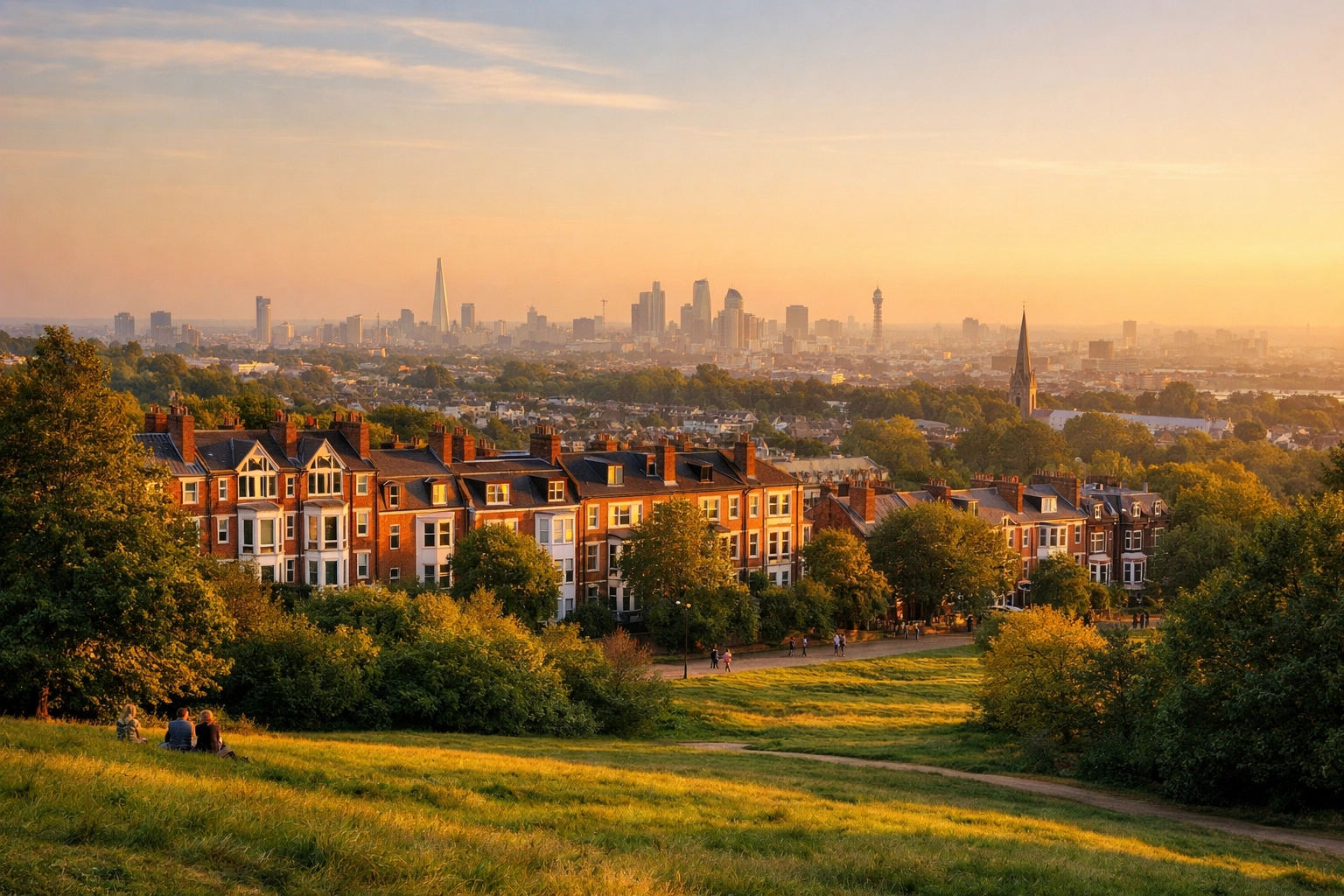
Whether you're in a cosy cottage near the Flask or a grand house overlooking the Heath, secondary glazing works. And because it's tailored to your exact windows, you get a solution that fits your home perfectly.
If you're tired of draughty rooms, high heating bills, or street noise creeping in, it's worth looking into. We've helped hundreds of homeowners across North London find the right solution—and we'd be happy to do the same for you.