
Let's talk about money. Not the fun kind you spend on holidays, but the kind that disappears every month when your heating bill arrives. If you're a homeowner watching your energy costs climb, or a landlord staring down new legal requirements, secondary glazing might just be your secret weapon.
Here's the thing: upgrading your windows doesn't have to mean ripping out your existing frames and spending £15,000 on full replacements. Secondary glazing offers a smarter route: one that can slash your heating bills by 15-30%, boost your EPC rating, and pay for itself faster than you'd think.
What's an EPC and Why Should You Care?
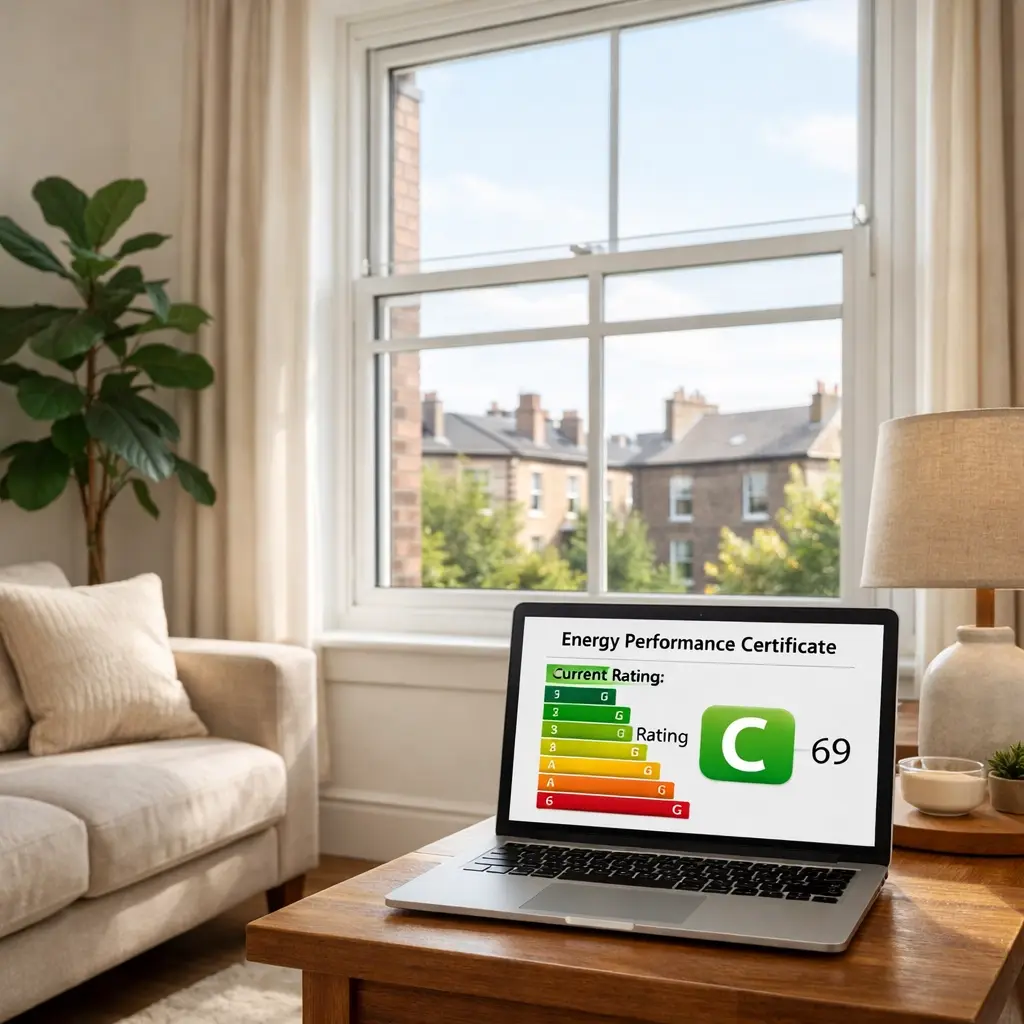
An Energy Performance Certificate (EPC) rates your property's energy efficiency from A (best) to G (worst). Think of it like a school report card, but for your house's ability to keep heat in and costs down.
For homeowners, a better EPC rating means lower bills and higher property value. For landlords, it's now a legal requirement. Since April 2020, the Minimum Energy Efficiency Standards (MEES) require all rental properties to achieve at least an E rating. Fall below that, and you can't legally let your property.
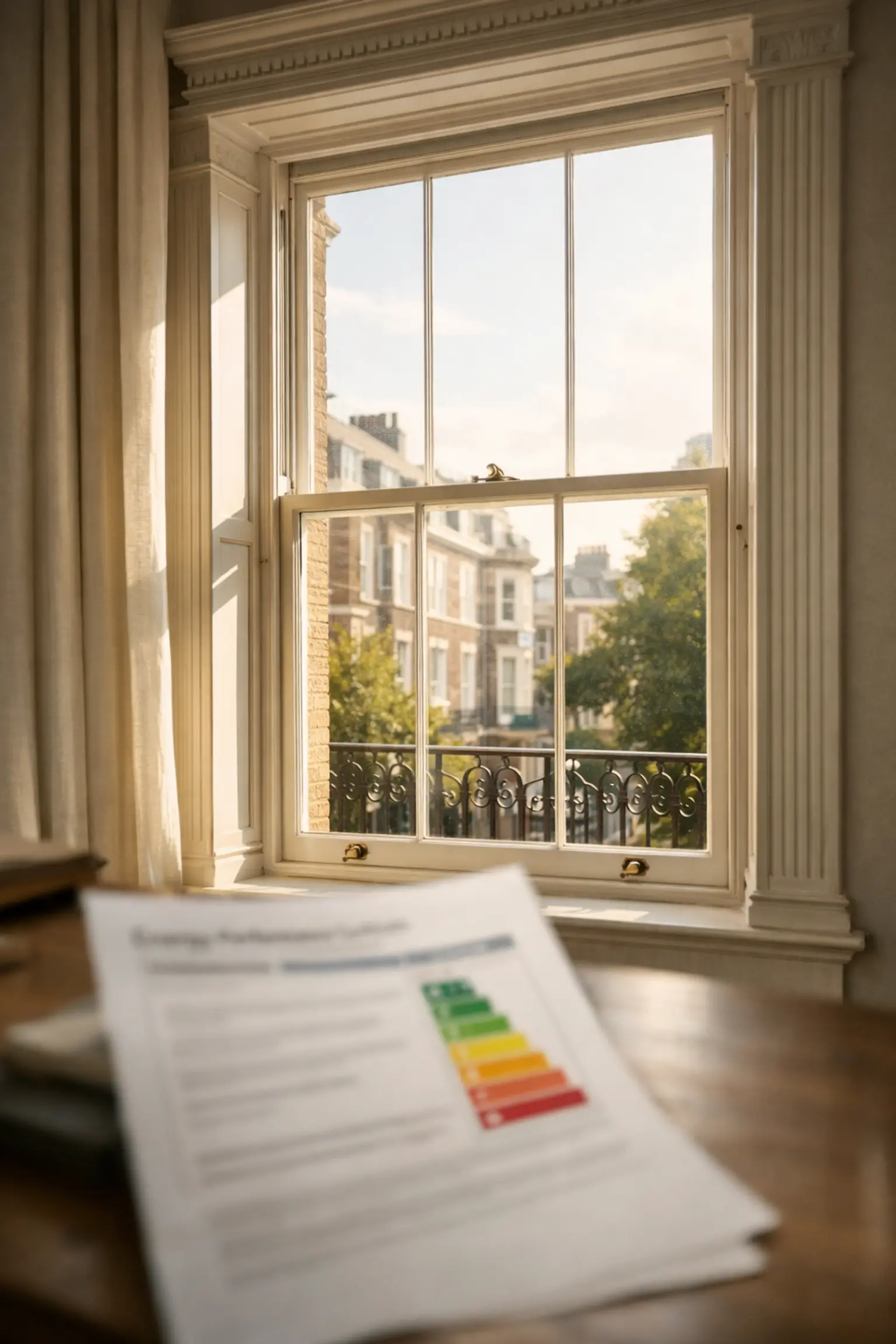
The problem? Loads of period properties in areas like Kensington, Chelsea, and Westminster are sitting at an E or F rating. Single-glazed sash windows are beautiful, but they're energy vampires: sucking heat (and cash) straight out of your home.
How Secondary Glazing Transforms Your EPC Rating
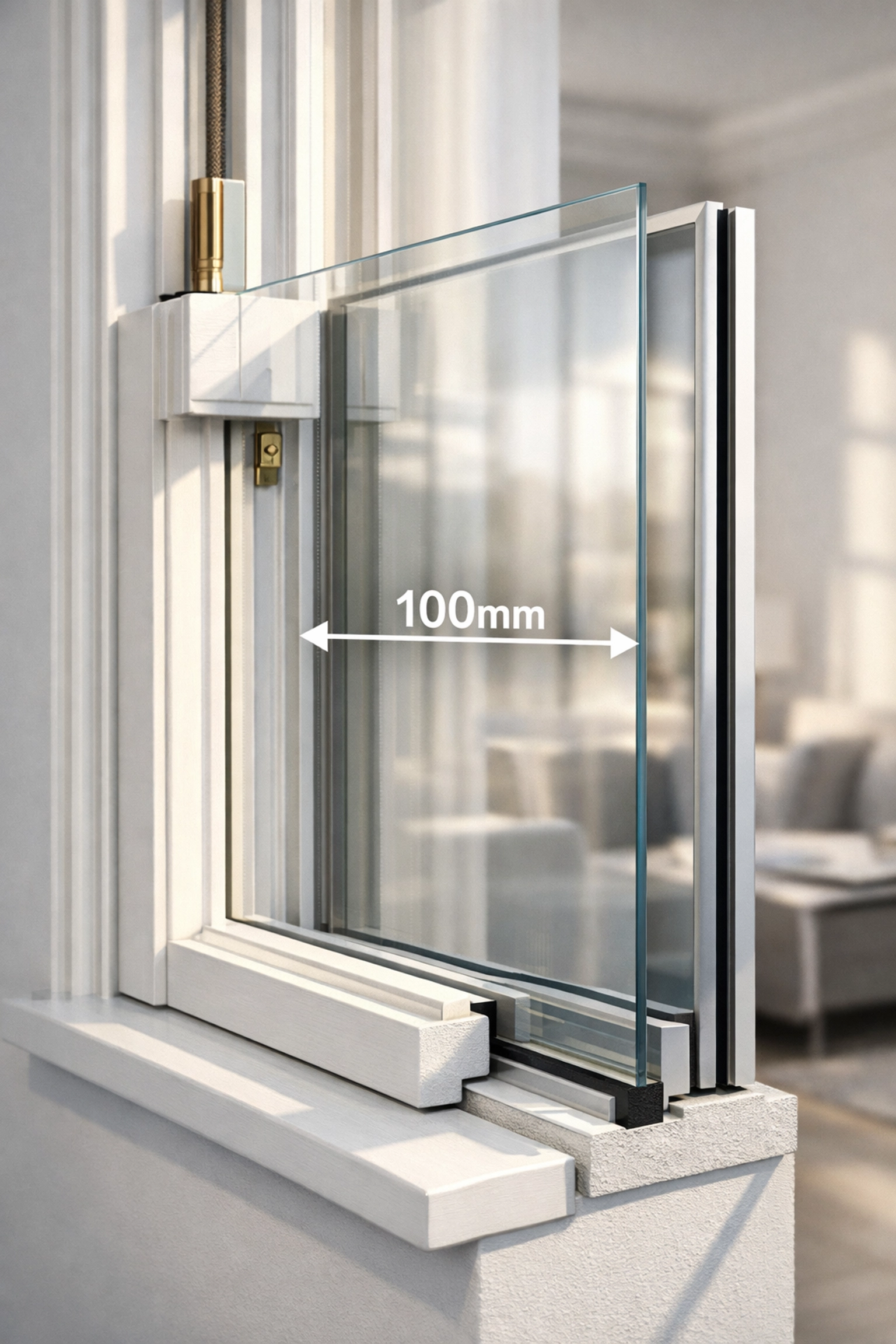
Secondary glazing works by fitting a second layer of glass or clear acrylic inside your existing window frame. This creates an insulating air gap, basically a thermal buffer zone: that dramatically reduces heat loss.
The results are impressive. Secondary glazing typically improves thermal efficiency by around 60%. That's enough to bump most properties from an E rating to a solid D, and in many cases, all the way to C.
Here's why it works so well: your existing window stays in place (no planning headaches), and the new internal layer creates that crucial air gap. This trapped air acts like a blanket, stopping warmth from escaping and cold from creeping in. It's physics, but the kind that saves you money.
The U-Value Game
In energy-efficiency speak, U-values measure how well a window insulates. Lower is better. A typical single-glazed window has a U-value of around 5.0 W/m²K: pretty terrible. Secondary glazing can cut that U-value in half, dropping it to 2.5 or even lower with specialist glass.
This improvement alone can be the difference between passing and failing your EPC assessment. And unlike full window replacement, you're not throwing away perfectly good frames or battling with conservation officers.
Thermal Imaging: See the Difference
Infrared thermography reveals exactly where heat escapes. The comparison below shows the dramatic difference secondary glazing makes — red/orange areas indicate severe heat loss, while blue/green indicates effective insulation.
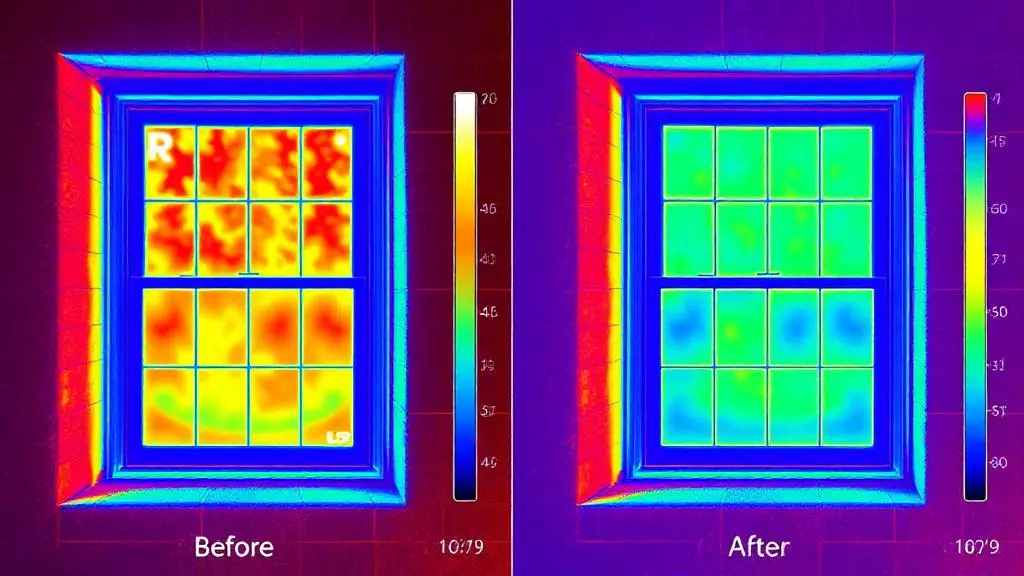
❌ Before (Single Glazing)
U-value: 5.0-5.8 W/m²K — massive heat loss visible as red/orange zones
✅ After (Secondary Glazing)
U-value: 1.8-2.5 W/m²K — cool blue/green shows heat is retained inside
The Money Bit: Real Savings You Can Bank On
Let's get into the numbers that actually matter: what this means for your wallet.
Heating Bill Reduction: 15-30%
Once secondary glazing is installed, most homeowners see their heating bills drop by 15-30%. For a typical London property spending £1,800 annually on heating, that's a saving of £270-£540 every single year.
In real terms: that's a nice weekend away, a few months of groceries, or simply more money staying in your pocket instead of floating out through leaky windows.
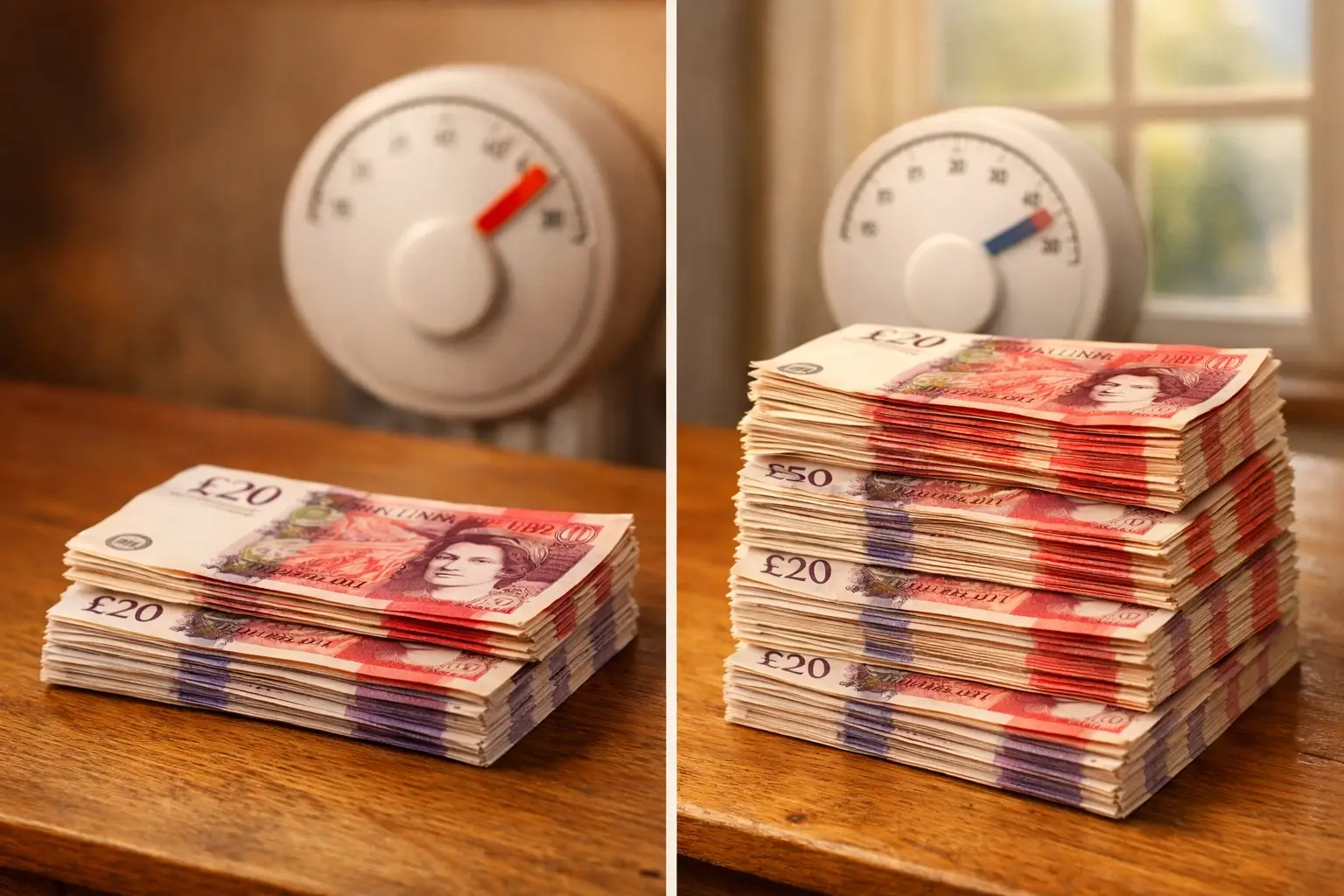
The research backs this up. A historic hotel retrofit achieved a 25% reduction in energy consumption. An office block saw 30% savings. These aren't theoretical numbers: they're actual results from actual buildings.
The ROI Breakdown
Here's where secondary glazing really shines compared to full replacement:
Secondary Glazing
- • Average cost: £300-£800 per window
- • Payback period: 3-7 years
- • Zero structural changes
- • Installation in days, not weeks
Full Double Glazing Replacement
- • Average cost: £1,000-£2,500 per window
- • Payback period: 10-20 years
- • Often requires planning permission
- • Disruptive installation
Do the maths. Secondary glazing costs a fraction of full replacement and pays for itself faster. Plus, you keep your original windows: crucial if you're in a conservation area or listed building.
Why London Homeowners Are Making the Switch
If you live in Kensington, Chelsea, Belgravia, or any other prime London area, you already know the challenge: stunning period properties with heritage features that can't be touched. Planning officers guard these areas fiercely, and rightly so.
But here's the beauty of secondary glazing: it doesn't alter the external appearance of your building. At all. Your gorgeous Georgian sash windows look exactly the same from the street. The upgrade happens entirely on the inside.
This makes secondary glazing the only realistic option for many London properties where:
- You're in a conservation area
- Your building is listed (Grade I, II*, or II)
- You have original period features worth preserving
- Planning permission for replacement windows would be refused

You get modern energy efficiency without sacrificing architectural integrity. It's the best of both worlds.
MEES Compliance for Landlords: Your Legal Safety Net
If you're a landlord, MEES regulations mean you can't ignore poor EPC ratings anymore. Properties rated F or G can't be let legally. Even E-rated properties are on borrowed time: the government is pushing toward a minimum C rating by 2028.
Secondary glazing offers a fast, cost-effective route to compliance. Here's why it's become the go-to solution for rental properties:
- 1Speed: Installation takes days, not weeks. Minimal disruption to tenants.
- 2Cost: Significantly cheaper than full window replacement across an entire property.
- 3Effectiveness: Proven to lift EPC ratings from E to D or C.
- 4Reversible: If you ever need to revert (unlikely, but possible), it's straightforward.
The Landlord's Checklist
Compliance with MEES Regulations
Meet the minimum E rating now — and prepare for the C rating requirement by 2028.
Increased Property Valuation
Higher EPC ratings directly correlate with increased property values and rental premiums.
Lower Tenant Turnover
Comfortable, energy-efficient homes keep tenants happy — and staying longer.
For landlords managing multiple properties, the sums are even more compelling. Upgrading ten properties with secondary glazing instead of full replacement could save you £100,000 or more: money that stays invested in your portfolio rather than disappearing into window replacement costs.
Beyond the Bills: The Hidden Benefits
While we're focused on money here, it's worth mentioning the bonus perks that come with secondary glazing:
🔇 Noise Reduction
That air gap doesn't just stop heat: it blocks sound too. Expect a 70-80% reduction in outside noise.
💧 Condensation Control
Eliminates the cold surface where condensation forms, protecting windowsills and walls from damp.
🔒 Security Boost
An extra layer of glazing is another barrier for potential intruders. Not Fort Knox, but definitely an improvement.
☀️ UV Protection
Specialist glass blocks UV rays that fade carpets, furniture, and artwork — particularly valuable in period homes.
How to Improve Your EPC Rating with Secondary Glazing
The process is refreshingly straightforward:
Get a Current EPC Assessment
Arrange a professional Energy Performance Certificate assessment to understand your property's current rating and identify the weakest areas, particularly windows.
Survey Your Windows
Have a specialist survey your existing windows to measure sizes, assess condition, and determine the optimal secondary glazing solution for maximum thermal improvement.
Choose the Right Glass Specification
Select the appropriate glass type. Low-E coated glass can improve U-values by a further 20-30% compared to standard secondary glazing panels.
Professional Installation
Have secondary glazing professionally installed to ensure airtight seals and optimal air gap spacing (20-100mm) for maximum thermal performance.
Re-assess Your EPC Rating
Arrange a new EPC assessment after installation. Most properties see a 1-2 band improvement, often moving from E to C or D to B.
The Bottom Line
Secondary glazing isn't just about ticking a box on an EPC certificate. It's about making your home more comfortable, cutting your bills year after year, and protecting property value: all without the disruption and expense of full window replacement.
For London homeowners in conservation areas, it's often the only viable option. For landlords facing MEES deadlines, it's the most cost-effective route to compliance. And for anyone simply tired of watching their money heat the outside air, it's a smart investment that pays dividends from day one.
The 15-30% savings on heating bills, the 60% improvement in thermal efficiency, and the ability to jump from an E to a C rating aren't marketing hype: they're real-world results being achieved in properties across London right now.
Your windows might look traditional, but there's no reason your energy bills should be stuck in the past.
Eco-Friendly Solution
No waste from window replacement
Carbon Footprint Reduction
Lower energy consumption = less CO₂
Lifetime Thermal Warranty
Performance guaranteed for life
Related Resources
Energy Savings Estimator
Calculate your potential annual energy savings with secondary glazing.
ROI Calculator
Calculate your return on investment including energy savings and property value.
Thermal Performance Guide
Deep dive into U-values and thermal insulation science.
Heritage & Listed Building Solutions
Conservation-compliant glazing for listed properties.
Get Your Free Thermal Audit
We'll assess your property, calculate your potential energy savings, and provide a personalised EPC improvement roadmap.