
If you live in Richmond, Kew, Teddington, or Twickenham, you already know the drill. You're lying in bed, about to drift off, and then... rumble. Another plane from Heathrow passes overhead. Or you're trying to enjoy your morning coffee on a Sunday, and the low hum of aircraft engines becomes the uninvited soundtrack to your day.
Living near one of the world's busiest flight paths is the trade-off for being in one of London's most beautiful boroughs. Richmond Park on your doorstep, the Thames meandering past, Kew Gardens just a bike ride away—it's stunning. But that aircraft noise? That's the bit nobody mentions in the estate agent's brochure.
Here's the good news: secondary glazing can reduce aircraft noise by up to 70-80%, and it does it without touching your original windows. Which matters a lot when you're living in a conservation area or a period property with those gorgeous timber sash windows.
Why Aircraft Noise Is Different (And Harder to Block)
Not all noise is created equal. The roar of traffic or the chatter from a pub next door sits in the high-frequency range—annoying, yes, but relatively easy to block with standard double glazing.
Aircraft noise is a different beast. It's low-frequency—that deep rumble you feel in your chest. And low-frequency sound is stubborn. It travels through walls, vibrates through glass, and laughs in the face of thin double-glazed units.
Standard double glazing typically has a tiny 6-12mm gap between panes. For aircraft noise, that's nowhere near enough. The two panes of glass end up resonating together, almost amplifying the noise rather than blocking it.
That's where secondary glazing comes in.
How Secondary Glazing Blocks Out the Rumble
Secondary glazing works by fitting a second pane of glass—usually 4-6mm thick—to the inside of your existing window frame. The magic is in the gap: ideally 150-200mm of air between your original window and the new secondary pane.
That air gap acts as a buffer zone. Sound waves hit the first pane of glass, vibrate it slightly, but then have to cross a big cushion of air before hitting the second pane. By the time they do, most of the energy has been lost.
It's like trying to have a conversation through two closed doors at opposite ends of a hallway. The sound just doesn't carry.
For aircraft noise specifically, we often recommend acoustic laminated glass—essentially two thin sheets of glass bonded together with a special PVB (polyvinyl butyral) layer in the middle. This layer absorbs vibrations, which is exactly what you need for those deep engine tones.
The result? A home where you can actually hear yourself think, even when the 10:47 from Madrid is passing overhead.
Richmond's Conservation Areas: Why Secondary Glazing Makes Sense
Richmond upon Thames has more conservation areas than almost anywhere else in London. If you live near Richmond Green, in Petersham, around Kew, or in any of the historic pockets of Twickenham, you already know the rules are strict.
Replacing your original timber sash windows with modern UPVC? Not happening. Even swapping to double-glazed units that look vaguely period-appropriate? The council will want to have a serious chat.

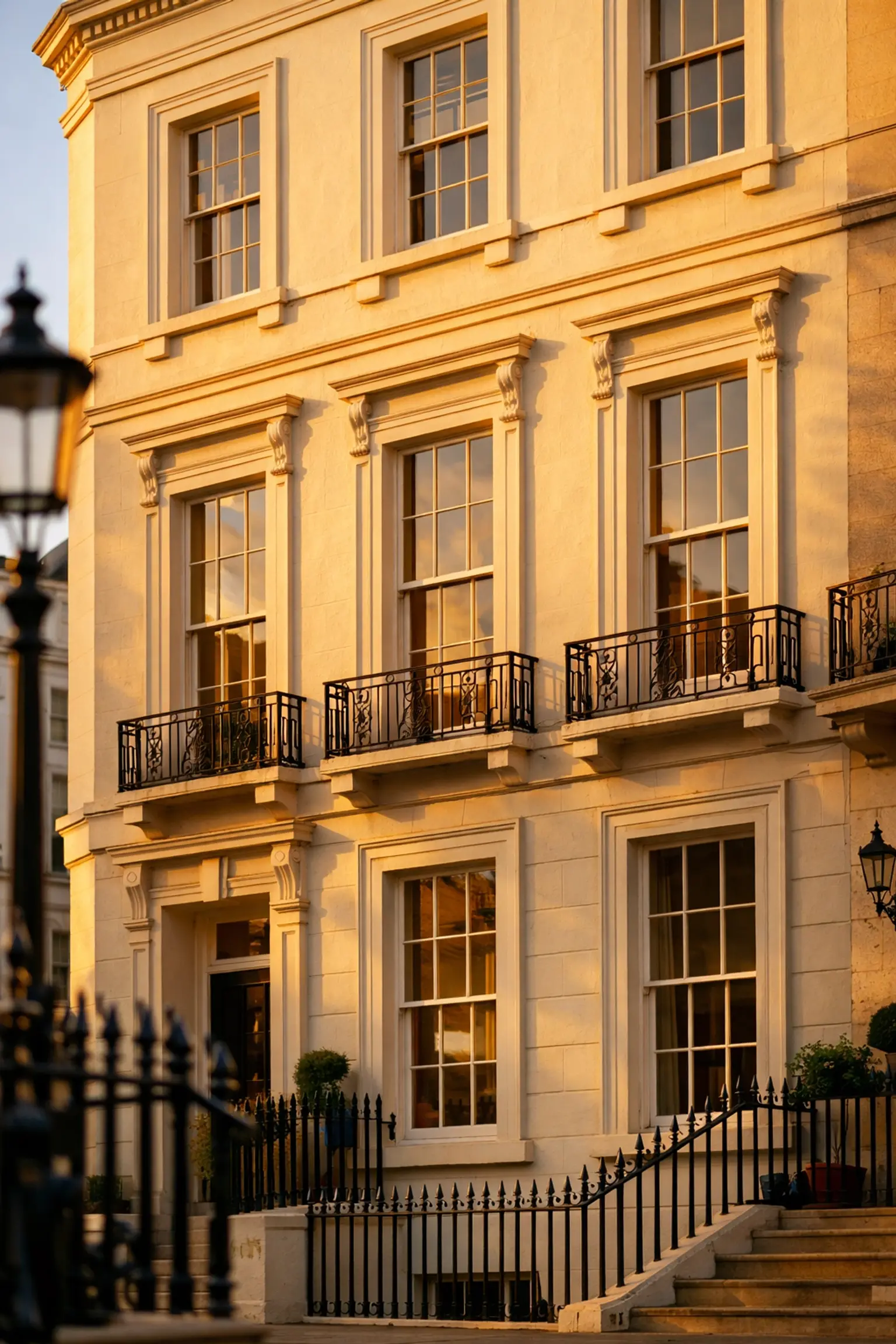
Secondary glazing changes nothing on the outside. Your beautiful Victorian or Georgian windows stay exactly as they are. The secondary pane sits neatly on the inside, often recessed into the frame so it's barely noticeable even from inside the room.
From the street? Your house looks identical. From the flight path? Finally, some peace and quiet.
This is why secondary glazing is the go-to solution for period properties in Richmond. You get modern performance without the planning headaches or the guilt of ripping out original features.
Staying Warm by the Thames
Aircraft noise might be the headline issue in Richmond, but there's another problem that anyone living near the river knows all too well: draughts.
Those single-glazed timber windows are gorgeous, but they're about as airtight as a wicker basket. And when you're living close to the Thames—especially in Twickenham, Teddington, or Richmond riverside—it can get properly cold in winter.

Secondary glazing doesn't just block sound. It also creates a thermal barrier that can reduce heat loss by up to 65%. Suddenly, your living room isn't competing with the great outdoors. Your heating bills drop. You stop needing three jumpers just to watch telly in January. Landlords in Richmond will also want to read our EPC & Thermal Efficiency Guide for MEES compliance advice.
And because the air gap is so large (remember, 150-200mm is ideal), you get much better insulation than you'd ever achieve with standard double glazing's tiny 12mm gap. Use our Energy Savings Estimator to see how much you could save.
Local Life, Quieter
Imagine this: it's a Saturday morning. You've just got back from a walk around Richmond Park (maybe you spotted the deer near Pen Ponds). You brew a coffee, open your kitchen window, and hear... birds. Actual birds. Not just the bass rumble of a 747.
Or you're working from home in Kew, trying to focus on a Zoom call, and for once you're not apologizing to colleagues about "the usual flight path noise."
That's what secondary glazing does. It doesn't transport you to the countryside—you're still in London, after all—but it gives you back control of your acoustic environment.
You can still enjoy everything that makes Richmond special: the riverside pubs, the independent shops on Hill Street, lazy Sunday afternoons in Marble Hill Park. You just get to come home to actual quiet.

Does It Really Work?
Look, we're not going to lie to you: no solution blocks 100% of aircraft noise. Physics doesn't work that way.
But secondary glazing with proper acoustic glass and a 150-200mm air gap? That can reduce aircraft noise by 70-80%. In real-world terms, it takes that intrusive rumble that stops conversations and wakes you up at night, and turns it into a faint background hum you barely notice.
It's the difference between "I can't live like this" and "Oh yeah, I guess there's a plane."
For most Richmond residents, that's life-changing. Want to understand the technical details? Check out our guide to understanding decibel reduction.
What About Condensation?
One question we get a lot: "Won't I get condensation between the panes?"
It's a fair concern. But here's the thing—secondary glazing actually reduces condensation on your original windows, not increases it.
How? Because the secondary pane creates a warmer microclimate around your primary window. The inner glass stays warmer, so moisture in the air is less likely to condense on it.
Of course, if your home has serious damp or ventilation issues, secondary glazing won't magically fix those. But for normal Richmond homes with normal moisture levels, it's rarely a problem. And if needed, you can add small trickle vents to keep air circulating. Learn more in our maintenance guide.
Getting It Installed
Secondary glazing isn't a DIY job (well, not if you want it to actually work). Proper installation matters—especially getting that air gap right and ensuring a tight seal around the frame.
The good news? Installation is quick. We're talking a few hours per window, not days of disruption. No mess, no structural work, no planning permission nightmares. Read about our full installation process.
And because we're not touching your original windows, there's nothing to repair or restore afterward. We measure, we fit, we leave. Your home is quieter by teatime.
Worth It?
Here's the bottom line: if you live in Richmond, Kew, Teddington, or Twickenham, you're not moving. You love it here. The parks, the river, the village feel—you're not giving that up just because of some aircraft noise.
Secondary glazing means you don't have to. You keep your beautiful period home looking exactly as it should. You stay on the right side of conservation rules. And you get to actually enjoy your home without the constant rumble overhead.
Related guides
Explore the dedicated London landing pages for the systems and property types covered above.
- Aircraft noise secondary glazingFlight-path specifications for Heathrow and City Airport approach corridors.
- Thermal insulation benefitsU-value improvements, draught elimination and measured heating savings.
- Secondary glazing for sash windowsPurpose-built systems for London box sash windows — specs, prices and heritage detailing.
- Sliding secondary glazingHorizontal and vertical sliders for sash and casement windows — up to 51dB with full ventilation access.