
Living in Westminster or Marylebone means you're at the heart of everything London has to offer. The culture, the restaurants, the beautiful Georgian squares: it's all on your doorstep. But there's a trade-off: the noise never stops.
Oxford Street. Marylebone Road. The A4. Emergency sirens at 3am. The constant hum of black cabs and delivery vans. If you're in a period property with original single-glazed sash windows (which most of Westminster and Marylebone is), that noise walks right through your windows like they're not even there.
And here's the kicker: you probably can't replace those windows even if you wanted to.
Why Westminster Is One of the Toughest Places in the UK for Window Upgrades
Westminster City Council doesn't mess about when it comes to planning permission. With 56 conservation areas and hundreds of Grade I and Grade II listed buildings spread across W1, SW1, and NW1, the council is laser-focused on protecting the architectural heritage of the area.
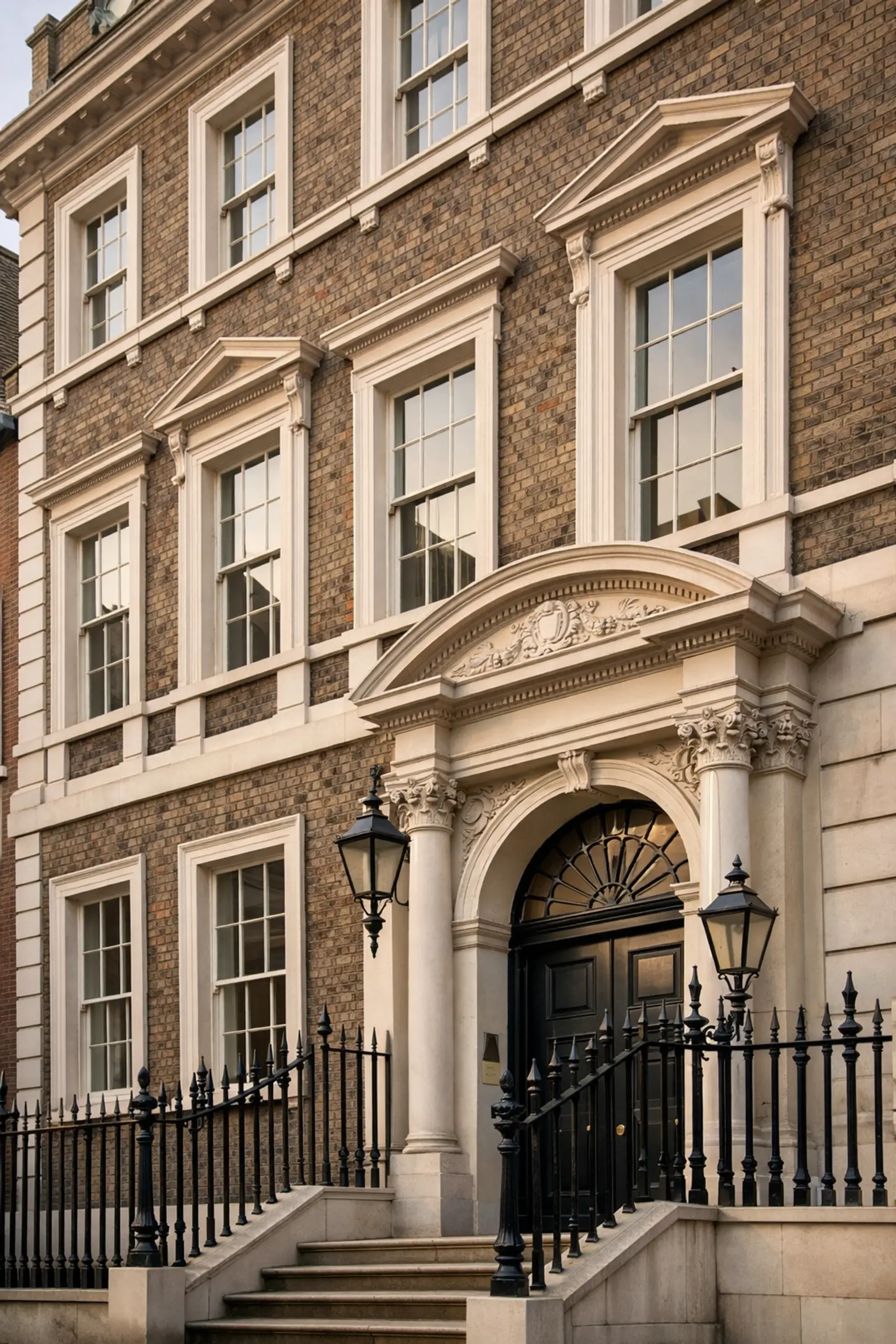
That beautiful Georgian townhouse in Marylebone Village? Those elegant sash windows overlooking Portman Square? The period bay windows in Belgravia? Westminster wants them to stay exactly as they are: and they mean it.
Even in non-listed buildings within conservation areas, replacing original windows with double glazing is often refused. The council's planning guidelines are arguably the strictest in the country. They know that modern UPVC or even replica timber double glazing changes the appearance of these historic streets, and they're not having it.
So what's a sleep-deprived, freezing-cold Westminster resident supposed to do? Read our Planning Permission Guide for detailed advice on navigating Westminster's strict regulations.
Secondary Glazing: The "Invisible" Solution That Actually Gets Approved
This is where secondary glazing becomes your best friend.
Unlike replacement double glazing, secondary glazing sits inside your existing window frame. It's a slim, discreet panel fitted to the interior side of your original window: leaving the outside appearance completely untouched. From the street, your property looks exactly the same. From inside? You've just added a seriously effective barrier against noise, drafts, and heat loss.
And crucially: Westminster City Council loves it.
Because secondary glazing is fully reversible and doesn't alter the building's exterior, it's almost always approved: even in the most tightly controlled conservation areas. It's the one solution that keeps both you and the planning officers happy. Learn more about our heritage and listed building solutions.
How Much Quieter Will It Actually Be?
Let's get specific. If you're currently lying awake listening to the 139 bus rumble down Marylebone Road at midnight, secondary glazing can reduce that noise by up to 80%: and in some cases, as much as 90%.
Even if your property has quirks (like shallow window reveals that don't allow for the ideal air gap), you're still looking at at least 50% noise reduction. That's the difference between hearing every conversation on the pavement and actually being able to sleep through the night.
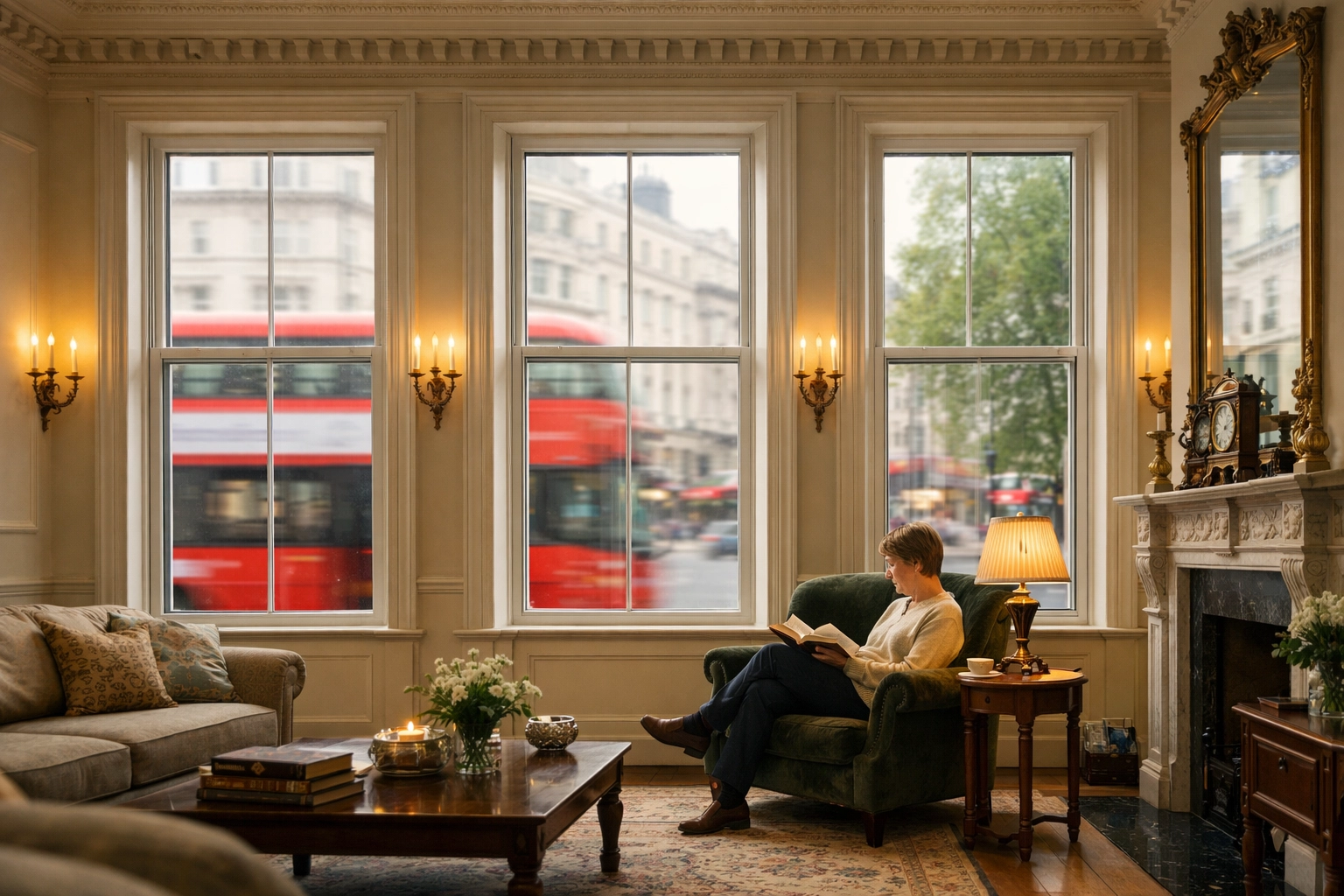
The secret is in the air gap between your original window and the secondary glazing panel. This creates a "sound buffer" that absorbs and deflects noise before it enters your room. Learn more about what decibel reduction actually means and use our Noise Reduction Calculator to estimate your results.
It's Not Just About Noise (Though That's the Main Event)
Once you've got secondary glazing installed, you'll notice other benefits pretty quickly:
Beyond Noise Reduction
- Warmth: Those single-glazed sash windows are beautiful, but they're terrible at keeping heat in. Westminster's period properties—especially the tall, thin townhouses common in Marylebone and Mayfair—can be ridiculously expensive to heat. Secondary glazing acts like an invisible thermal blanket that can cut heating bills by up to 30% and improve your EPC rating. Check our Thermal Performance Guide.
- No More Drafts: If you've ever sat near a window on a windy January evening and felt that icy breeze creeping in, you know the pain. Secondary glazing seals up those gaps and stops the cold air in its tracks.
- Security: Ground floor properties on busy streets (we're looking at you, Baker Street and Edgware Road) get an extra layer of security. It's not Fort Knox, but it's another barrier that makes opportunistic break-ins less appealing.
- Less Condensation and Dust: The air gap also reduces condensation on your original windows, and it keeps out some of the airborne grime and pollution that comes with living on a major London road.
Use our Energy Savings Estimator to calculate your potential heating bill savings.
The Westminster & Marylebone Lifestyle: Why Quiet Matters Here
Let's be honest: you're not living in W1 or NW1 because it's cheap or quiet. You're here because it's Central London at its finest.
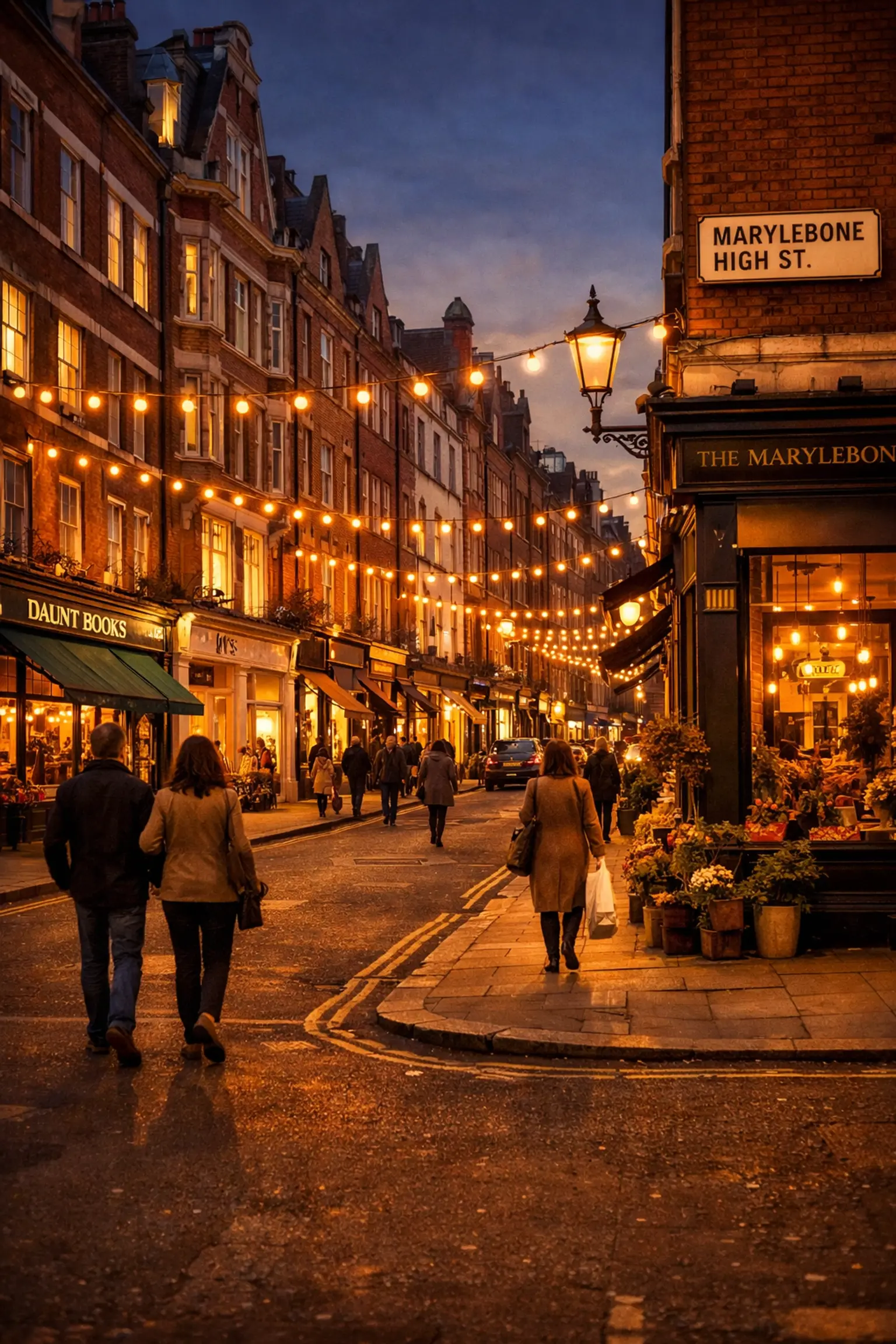
Marylebone Village has that rare mix of villagey charm and urban sophistication. The independent shops on Marylebone High Street, the farmers' market on Sundays, Chiltern Firehouse just around the corner: it's a lovely bubble in the middle of the chaos.
Mayfair is all about those grand garden squares (Berkeley Square, Grosvenor Square) and Michelin-starred restaurants tucked down cobbled mews streets.
And Belgravia? Pure elegance. White stucco terraces, private gardens, the kind of quiet grandeur that makes you feel like you've stepped into a period drama.
But all of that comes with relentless noise. Marylebone Road is one of London's busiest arteries. Oxford Street and Regent Street are tourist and shopping magnets. Park Lane thunders with traffic 24/7. The noise is the price you pay for the location.
Secondary glazing lets you have both. You get to live in the heart of it all, and you get to actually relax when you close your front door. Read our guide on reducing traffic noise by 90%.
What About Installation?
The good news: secondary glazing installation is straightforward and non-invasive. There's no building work, no mess, and no need to schedule around Westminster's notoriously strict parking restrictions for skips and scaffolding.
A professional installer will take precise measurements of your existing windows, manufacture slim panels to fit, and install them inside your window reveals. The whole process is usually done in a day or two, depending on how many windows you're doing.
And because it's reversible, if you ever move or decide you want to go back to the original setup, the panels can be removed without leaving a trace.
Is It Worth It in Westminster?
If you're living with constant noise, sky-high heating bills, and windows you're not allowed to replace, absolutely.
Secondary glazing is one of the few upgrades that Westminster City Council will actually approve for period and listed properties. It solves the noise problem, cuts your energy costs, and preserves the character of your home.
For properties in conservation areas or listed buildings across Westminster, Marylebone, Mayfair, and Belgravia, it's often the only viable solution.
Ready to Reclaim Peace & Quiet?
Get a no-obligation consultation for your Westminster or Marylebone home. We understand the council's strict requirements and can advise on what's possible for your specific property.