
Living in Kensington and Chelsea means you've got something special: stunning period architecture, leafy streets, and some of London's most coveted postcodes. But let's be honest: the Royal Borough isn't exactly quiet.
Whether you're on the King's Road with its constant buzz of taxis and delivery vans, near Cromwell Road dealing with rush hour traffic, or off Sloane Street where the hum never really stops, noise can seriously chip away at your quality of life. And if you're in a beautiful Georgian townhouse or Victorian terrace, you're probably stuck between a rock and a hard place: desperate for peace and quiet, but unable to touch those original sash windows.
That's where secondary glazing comes in.
The Kensington & Chelsea Double Bind
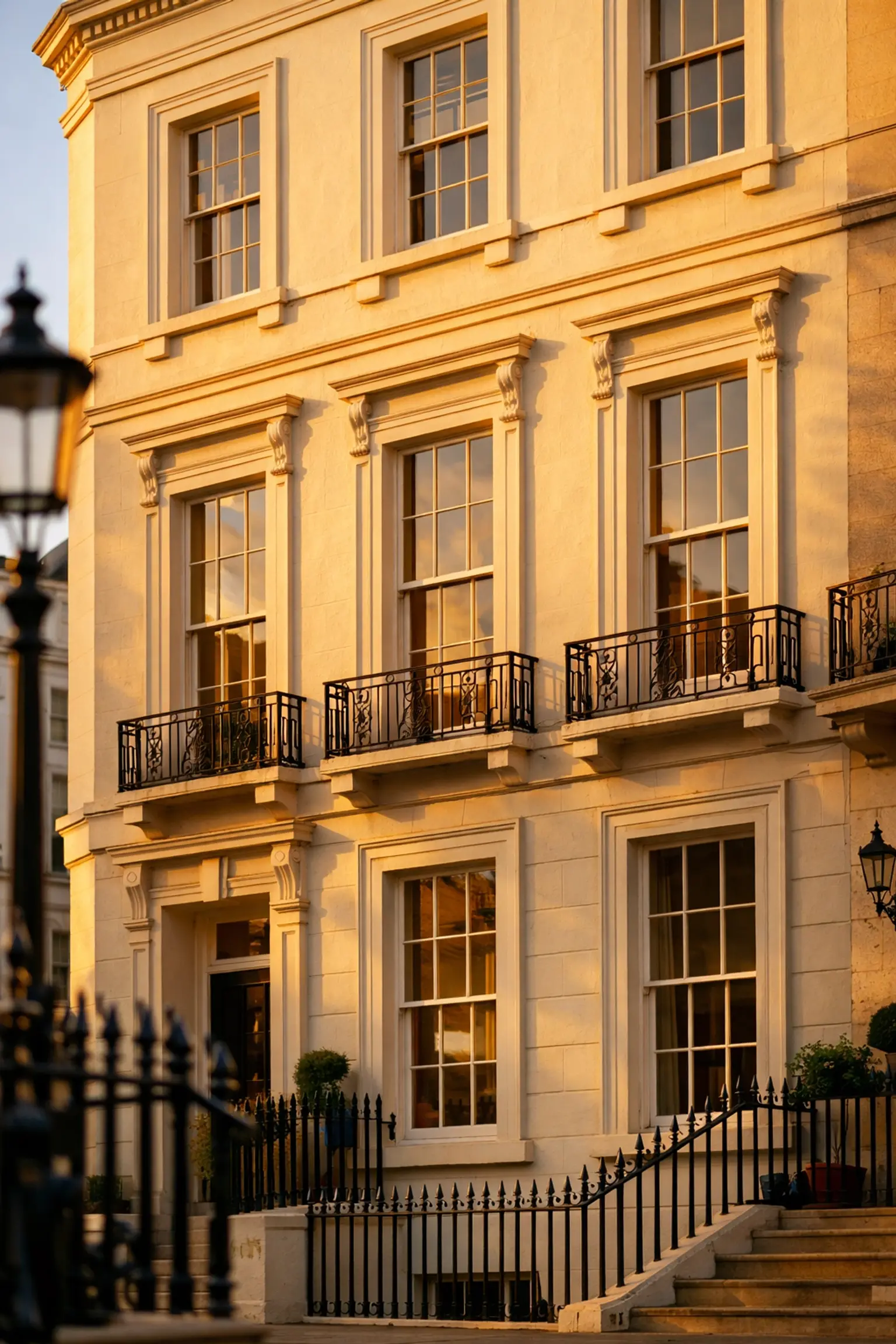
Here's the thing about owning property in RBKC: you're living in one of 37 conservation areas scattered across the borough. That Grade II listed townhouse in Notting Hill? Gorgeous. But try getting planning permission to replace those single-glazed windows and you'll quickly discover just how protective the council is.
And they should be: these buildings are part of London's heritage. But that doesn't make it any easier when you're lying awake at 2am listening to Ubers idling outside or dealing with the morning chorus of dustbin lorries along Chelsea Embankment.
Double glazing is usually off the table. The planning department simply won't allow it in most conservation areas, and even if they did, replacing your original Victorian sashes would feel like ripping the soul out of your home.
Why Secondary Glazing Actually Works Here
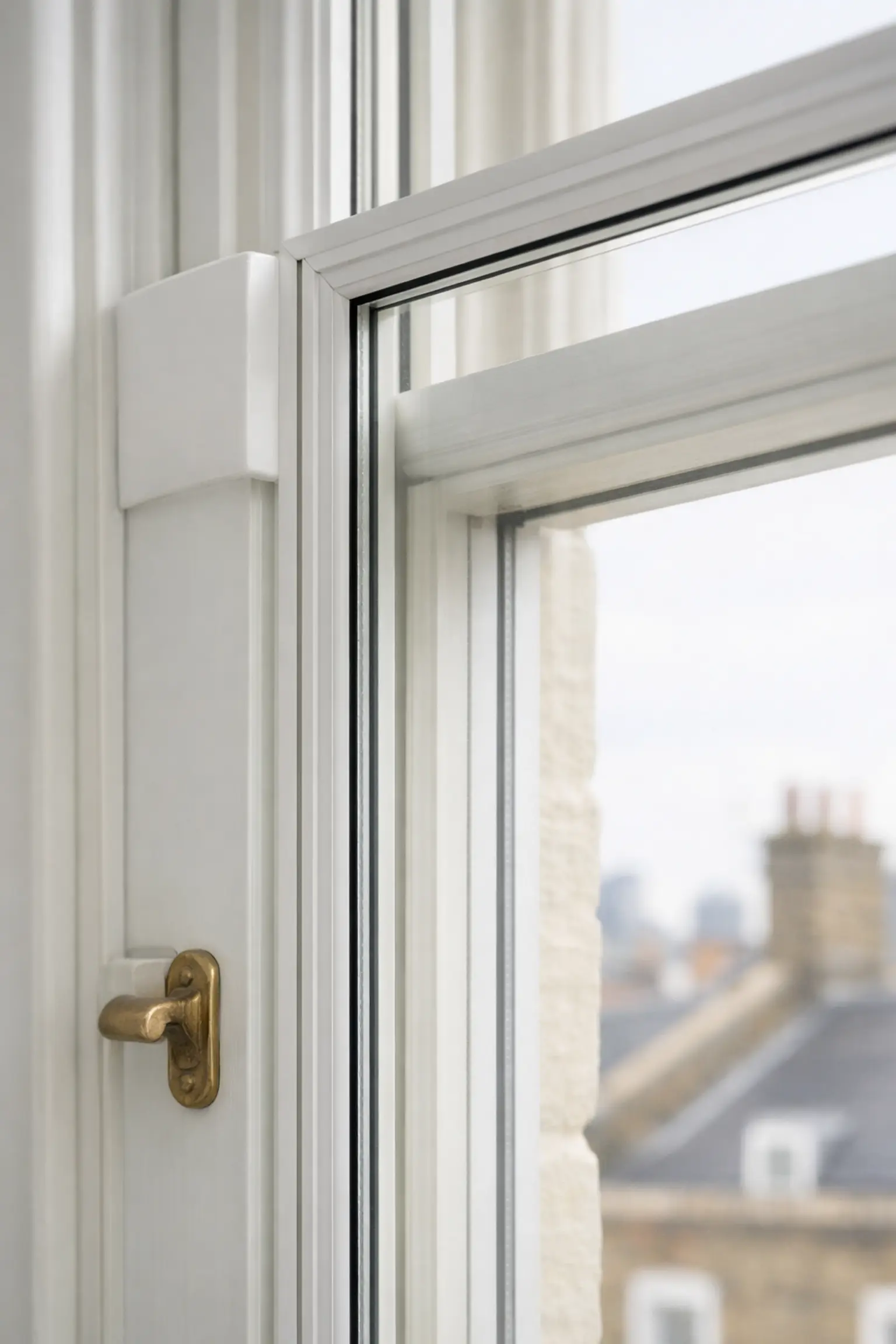
Secondary glazing is basically a second window fitted to the inside of your existing one. Your beautiful original sash stays exactly where it is: untouched, unaltered, and still doing its job of looking magnificent.
The magic happens in the gap between the two windows. Unlike modern double glazing where the two panes are just millimetres apart, secondary glazing creates a gap measured in centimetres. That extra space is what gives you 70-80% noise reduction from traffic rumble, bus brakes, and late-night revellers stumbling home from the pubs on Kensington High Street.
For context: that's the difference between lying awake grinding your teeth and actually sleeping through the night. Learn more about what decibel reduction actually means for your daily life.
It's Practically Invisible (When Done Right)
Look, if you're spending millions on a South Kensington terrace, you don't want some clunky retrofit ruining the vibe. Good secondary glazing shouldn't scream "I had work done."
The frames can be colour-matched to your existing windows: whether that's traditional white, heritage cream, or something more bespoke. From the street, nobody knows it's there. From inside, you might notice a slim extra frame, but it's subtle. Some of our clients in Belgravia have shown us their installations and we've genuinely had to look twice to spot them.
The whole point is to enhance your home without changing what makes it special in the first place.
The Thermal Side of Things
Noise reduction is usually what brings people to secondary glazing, but the thermal benefits are honestly just as impressive: especially in these big RBKC properties.
Those sprawling five-storey townhouses near Earl's Court or the wide-fronted Edwardian homes around Holland Park? They're beautiful, but they're also energy vampires. Single-glazed windows in a 3,000 square foot property means your heating bills are probably eye-watering.
Secondary glazing can improve thermal performance by more than 60%. Some systems deliver up to 30% energy savings, which on a large period home adds up to serious money over a year. Our EPC & Thermal Efficiency Guide explains how this translates to EPC rating improvements and MEES compliance for landlords. Use our Energy Savings Estimator to calculate your potential savings.
And unlike external wall insulation or other retrofits, this one's completely reversible. If future owners want to remove it (though why would they?), the original window is still there in perfect condition.
Navigating RBKC Planning
Let's talk about everyone's favourite topic: dealing with the planning department.
The good news is that secondary glazing is usually much easier to get approved than double glazing, precisely because you're not altering the external appearance of the building. In many cases, you won't even need planning permission at all: though it's always worth checking, especially if you're in a particularly strict conservation area or have a listed building.
Read our comprehensive Planning Permission Guide for detailed advice on navigating RBKC regulations.
If you do need to submit an application, a good secondary glazing installer will help you navigate that process. They'll liaise with conservation officers, provide technical drawings, and generally handle the bureaucracy so you don't have to become an expert in heritage regulations.
Local Challenges, Local Solutions
Different parts of Kensington and Chelsea have their own specific noise nightmares:
Area-Specific Noise Challenges
- Chelsea & Chelsea Embankment: The riverside might be scenic, but the Embankment road is relentless. Secondary glazing here is about creating a sanctuary from constant traffic flow.
- Notting Hill: Portobello Road market days are charming until you're trying to work from home. Plus, the side streets near Ladbroke Grove can get surprisingly loud with through-traffic.
- South Kensington: You're near the museums, which means tour coaches, school groups, and generally high footfall. Exhibition Road in summer is basically a carnival.
- Knightsbridge & Belgravia: High-end shopping districts mean delivery vans from dawn, plus the general hum of one of London's busiest retail areas.
Each of these scenarios benefits from the acoustic insulation that secondary glazing provides. It's not about blocking out life completely: you'll still hear emergency sirens and important sounds. It's about taking the edge off the constant low-level noise that grinds you down over time. Learn more about reducing low-frequency traffic noise.
The 25-Year Peace of Mind
Quality secondary glazing installations typically come with 25-year warranties. That's not just a nice-to-have: it's a signal that this is a serious, long-term solution, not a quick fix.
For property owners in Kensington and Chelsea, where homes are multigenerational assets, that kind of longevity matters. You're making an investment in your living comfort that'll still be delivering benefits decades from now.
Is It Right for Your RBKC Home?
If you're nodding along to any of this: if you're tired of the noise, frustrated by cold draughty rooms, and protective of your period features: then secondary glazing is worth exploring.
It won't suit everyone. If your windows are already double-glazed, you probably won't see much benefit. And if you're genuinely okay with the noise levels (some people are!), then fair enough.
But for most homeowners in the Royal Borough dealing with the clash between heritage preservation and modern comfort, it's honestly one of the smartest upgrades you can make.
Your Georgian sashes stay beautiful. Your home gets quieter and warmer. The planning department stays happy. And you finally get a decent night's sleep.
Sounds pretty good, doesn't it?
Ready to Explore Secondary Glazing?
Get a no-obligation consultation for your Kensington or Chelsea home. We understand RBKC's unique requirements and can talk you through what's possible for your specific property.
Related guides
Explore the dedicated London landing pages for the systems and property types covered above.
- Victorian terrace secondary glazingTypical reveal depths, glass specs and costs for London Victorian terraced homes.
- Secondary glazing for sash windowsPurpose-built systems for London box sash windows — specs, prices and heritage detailing.
- Sliding secondary glazingHorizontal and vertical sliders for sash and casement windows — up to 51dB with full ventilation access.
- Secondary glazing for listed buildingsFully reversible, consent-friendly specifications for Grade I and Grade II properties.