
Secondary Glazing for Wandsworth & Battersea: Clapham Junction Railway Noise Solutions
How to reduce railway noise by 80% and slash heating bills in your Victorian home—without touching your original sash windows.
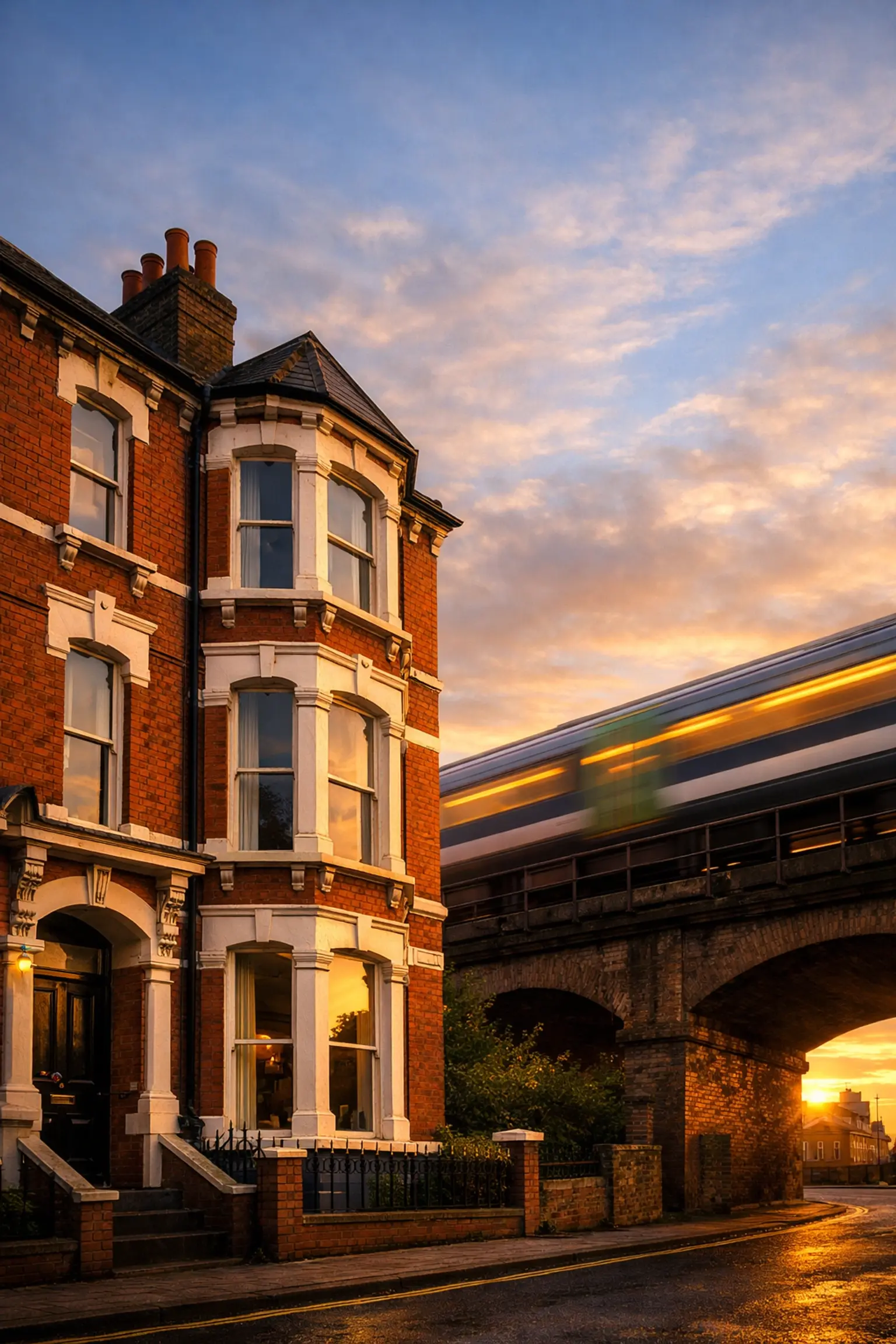
If you live anywhere near Clapham Junction, you already know the drill. That low rumble at 6am. The rattle of your beautiful Victorian sash windows every time a train goes past. The fact that you can't take a Zoom call without someone asking "are you at a station?"
Welcome to life in Wandsworth and Battersea: where the property is gorgeous, the parks are stunning, and the railway noise is... relentless.
But here's the good news: you don't have to choose between keeping your original windows and actually getting some peace and quiet.
The Clapham Junction Problem
Let's address the elephant (or rather, the freight train) in the room. Clapham Junction is one of the busiest railway stations in Europe. Over 2,000 trains pass through every single day. If you're living in SW11, SW12, or SW18, chances are you're within earshot of at least one railway line—and probably several.
Those charming period homes near the tracks? They were built in the 1800s when trains were slower, quieter, and far less frequent. Your windows weren't designed for the modern South Western Railway schedule.
Secondary glazing Battersea residents are increasingly turning to is specifically designed to tackle this kind of consistent, low-frequency noise. By adding a second pane of glass inside your existing window frame, you create a much larger air gap than standard double glazing. Sound waves have to travel further, lose energy, and by the time they reach your living room, they're a whisper instead of a roar.
We're talking about noise reductions of 70-80% in some cases. That's the difference between hearing every train and forgetting the tracks are even there. Use our noise reduction calculator to estimate your potential improvement.
Those Beautiful (But Freezing) Victorian Windows
The other thing about Wandsworth and Battersea? The windows are massive.
Victorian and Edwardian builders loved big, tall sash windows that flooded rooms with light. Beautiful? Absolutely. Energy efficient? Not even slightly.
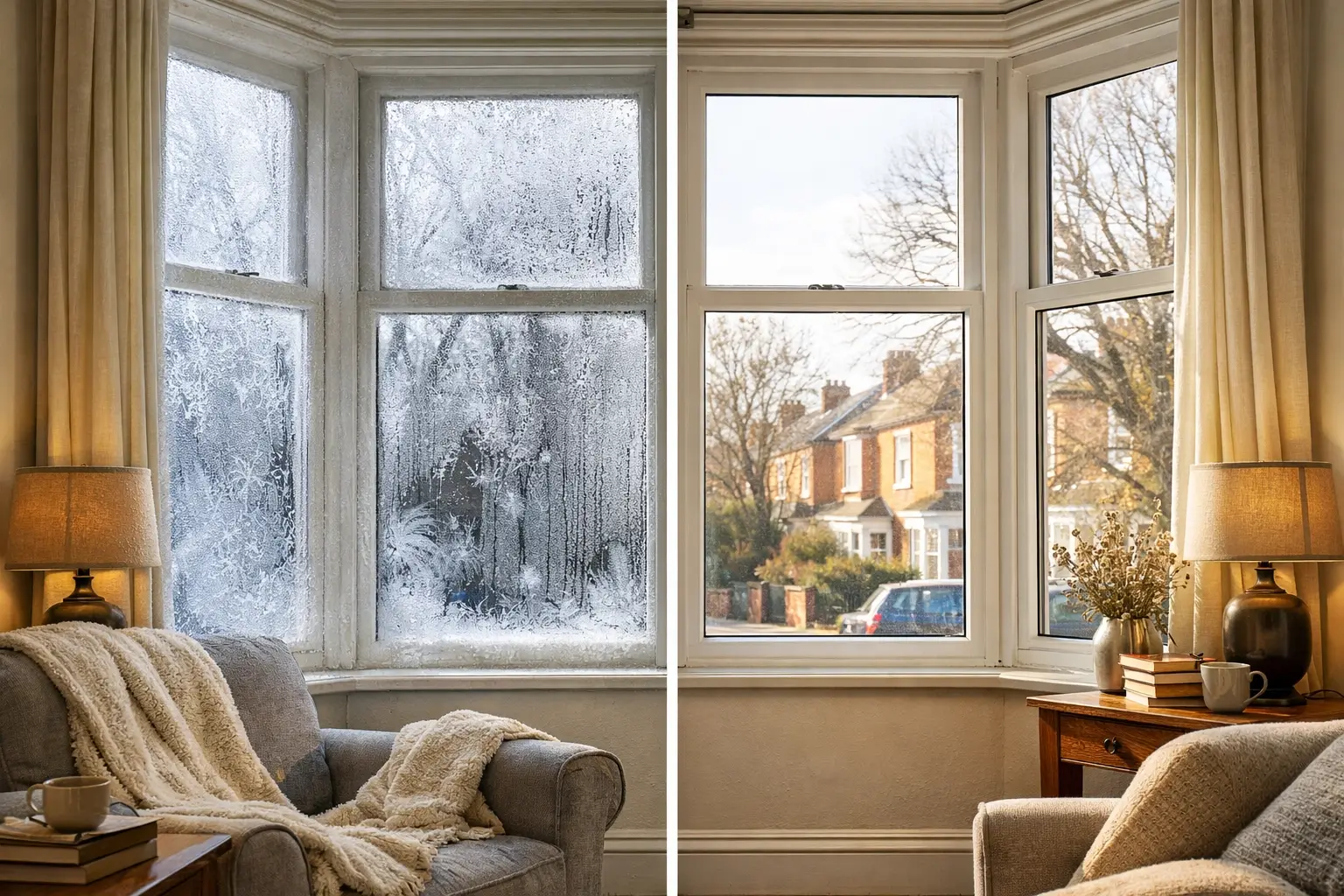
If you've ever sat near one of those windows in January, you'll know what we mean. The draughts are brutal. Your heating bill is astronomical. And there's always that one room in the house that just never gets warm, no matter how high you crank the thermostat.
Secondary glazing doesn't just block noise—it traps heat. That air gap between the original window and the secondary pane acts like a thermal blanket, stopping cold air from creeping in and warm air from escaping. See our thermal performance guide for the science, and our EPC guide to learn how landlords are using this to meet MEES regulations.
You're looking at potential energy savings of 20-30% on your heating costs. Over a South London winter, that adds up fast. Try our energy savings estimator to calculate your potential savings.
Key Benefits for SW11/SW18 Homes
Block Clapham Junction train rumble
Stop heat escaping through large Victorian windows
Conservation area compliant in most cases
Fully reversible—no alterations to period features
Why Secondary Glazing Works So Well Here
Here's the thing: replacement double glazing often gets suggested as the "solution" to draughty, noisy windows. But in areas like Wandsworth and Battersea, it's usually a terrible idea. Check our secondary vs double glazing comparison for more details.
Why?
Conservation areas. Large chunks of SW11 and SW18 are protected. Replacing original windows with modern UPVC or even slim double glazing often requires planning permission—and that permission often gets denied. See our planning permission guide for more information.
Secondary glazing, on the other hand, doesn't require planning permission in most cases. It's fitted inside your existing windows, so from the street, nothing changes. Your Victorian sashes still look like Victorian sashes. The conservation officer is happy. You're warm and quiet. Everyone wins.
Plus, it's reversible. If you ever wanted to remove it (though honestly, why would you?), your original windows are completely untouched underneath.
Soundproofing Windows SW11: What Actually Happens
Let's get practical for a second.
When we install soundproofing windows SW11 homeowners actually use, we're not ripping anything out. We're working with what you've got—whether that's sash windows, casements, or those big bay windows that overlook Wandsworth Common.
The secondary glazing unit sits snugly inside the existing frame. It's made to measure, so it fits perfectly. Most installations take just a few hours per window. No mess, no drama, no skips on the street. Learn more about our installation process.
And because it's a sealed unit, you're not just blocking sound and heat loss—you're also keeping out dust, pollen, and that weird sooty grime that South London homes seem to attract.
The Modern Work-From-Home Reality
Let's be honest: a lot of people moved to Wandsworth and Battersea for the space, the parks, and the village feel of places like Northcote Road. Then 2020 happened, and suddenly everyone was working from home.
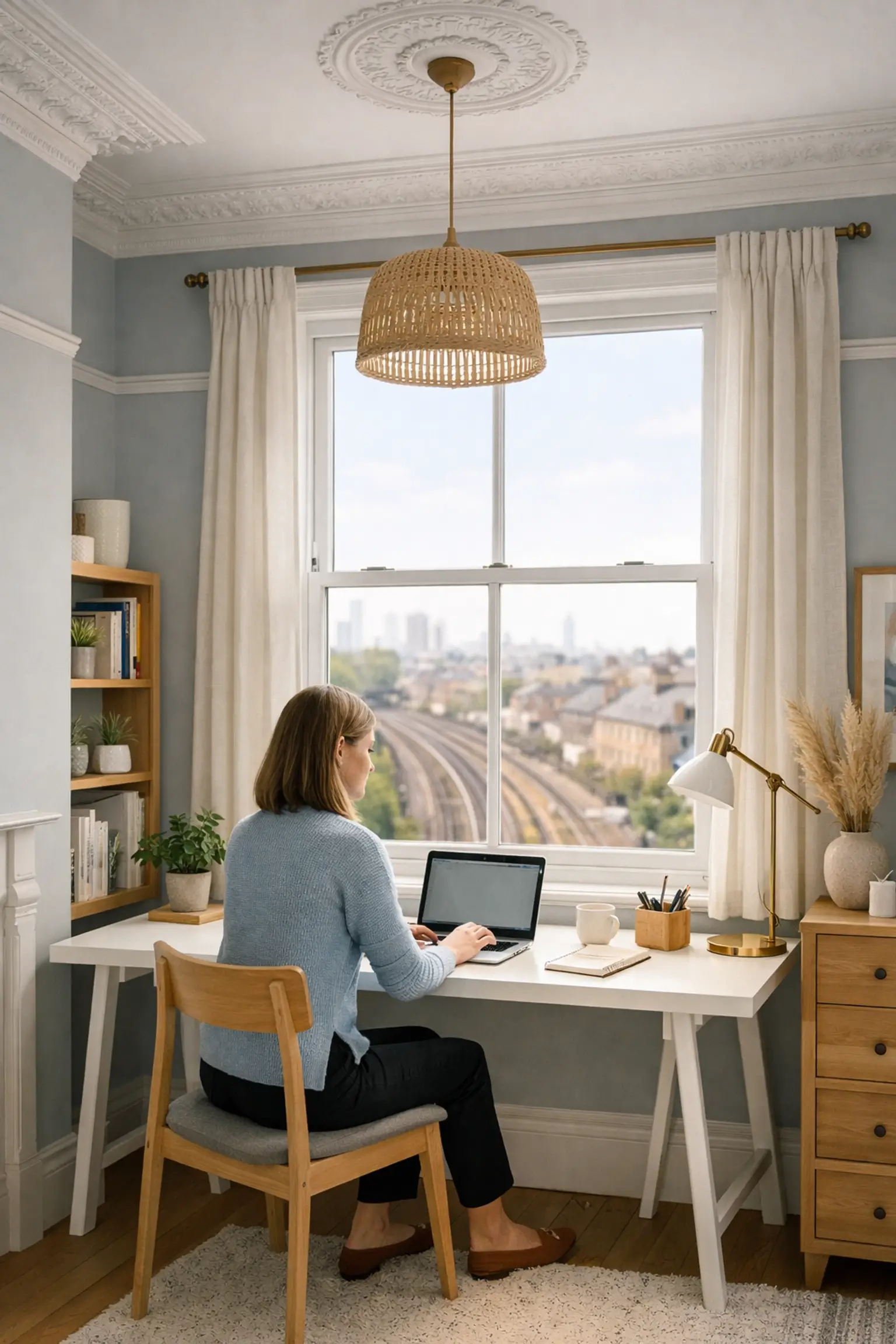
If your "home office" is a bedroom overlooking the railway line, you've probably had some awkward client calls. Or had to reschedule meetings because of train noise. Or just given up and started working from coffee shops. Read our home office noise reduction guide for more solutions.
Clapham Junction noise reduction shouldn't be a luxury—it's a basic requirement if you're trying to run a business or take calls from home. Secondary glazing gives you that BBC-interviewer-level sound isolation without the BBC budget.
One client near Battersea Park told us she'd been turning down freelance work because she couldn't guarantee a quiet environment for video calls. After installation? She's back to full-time freelancing, and her clients have no idea she's 200 metres from a train line.
Listed Building Windows Wandsworth: The Heritage-Friendly Option
If you're lucky (or unlucky, depending on how you look at it) enough to own a listed building in Wandsworth, you already know that every change requires approval.
Want to paint your front door a different colour? Application. Want to replace a broken roof tile? Application. Want to stop your windows from haemorrhaging heat and letting in train noise? You guessed it—application.
But here's where secondary glazing shines: because it's a reversible alteration that preserves the original structure, it's far more likely to get approval than replacement windows. Learn more about our heritage and listed building solutions.
We've worked with plenty of listed building owners across SW18 and SW11, and in most cases, the local authority has been supportive. The key is showing that you're protecting the building's character while improving its livability.
Life Between the Commons
One of the best things about living in this part of South London is the access to green space. Wandsworth Common, Battersea Park, Clapham Common—you're never more than a 10-minute walk from grass and trees.
But those beautiful park-facing homes? They come with their own challenges. Big windows that face the common get cold in winter. Properties near main roads (looking at you, Battersea Park Road and Trinity Road) deal with constant traffic noise.
Secondary glazing means you can enjoy the view and the location without the downsides. Watch the sunrise over the park without the draught. Sleep through the night even though you're on a bus route.
Is Secondary Glazing Right for Your Home?
If you're dealing with any of these issues, secondary glazing is worth considering:
- Railway noise from Clapham Junction keeping you awake
- Astronomical heating bills every winter
- Draughty windows that let cold air pour in
- Living in a conservation area where planning is difficult
- Working from home and need professional-level quiet
- Original sash windows you want to preserve
Secondary glazing gives you the best of both worlds: you keep the character and charm of your original windows, and you get the warmth, quiet, and energy efficiency of a modern home.
No planning headaches. No ripping out original features. Just better windows that actually work for 21st-century living.
And if you're near Clapham Junction? Trust us—your ears will thank you.
Ready to Block Out Clapham Junction?
Get a free consultation and discover how secondary glazing can reduce railway noise by 80% and cut your heating bills.
Related guides
Explore the dedicated London landing pages for the systems and property types covered above.
- Railway & Tube noise secondary glazingLow-frequency rumble control with heavier laminate and deeper air gaps.
- Secondary glazing for sash windowsPurpose-built systems for London box sash windows — specs, prices and heritage detailing.
- Sliding secondary glazingHorizontal and vertical sliders for sash and casement windows — up to 51dB with full ventilation access.
- Secondary glazing for listed buildingsFully reversible, consent-friendly specifications for Grade I and Grade II properties.