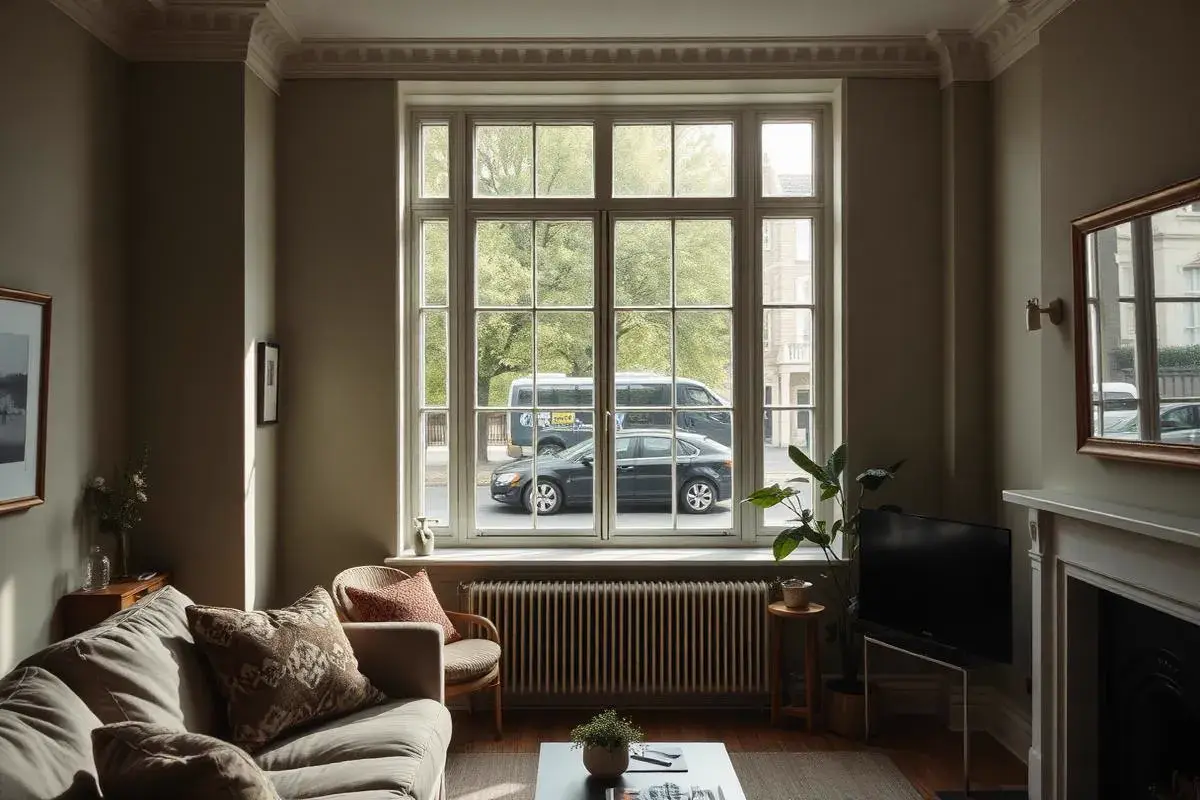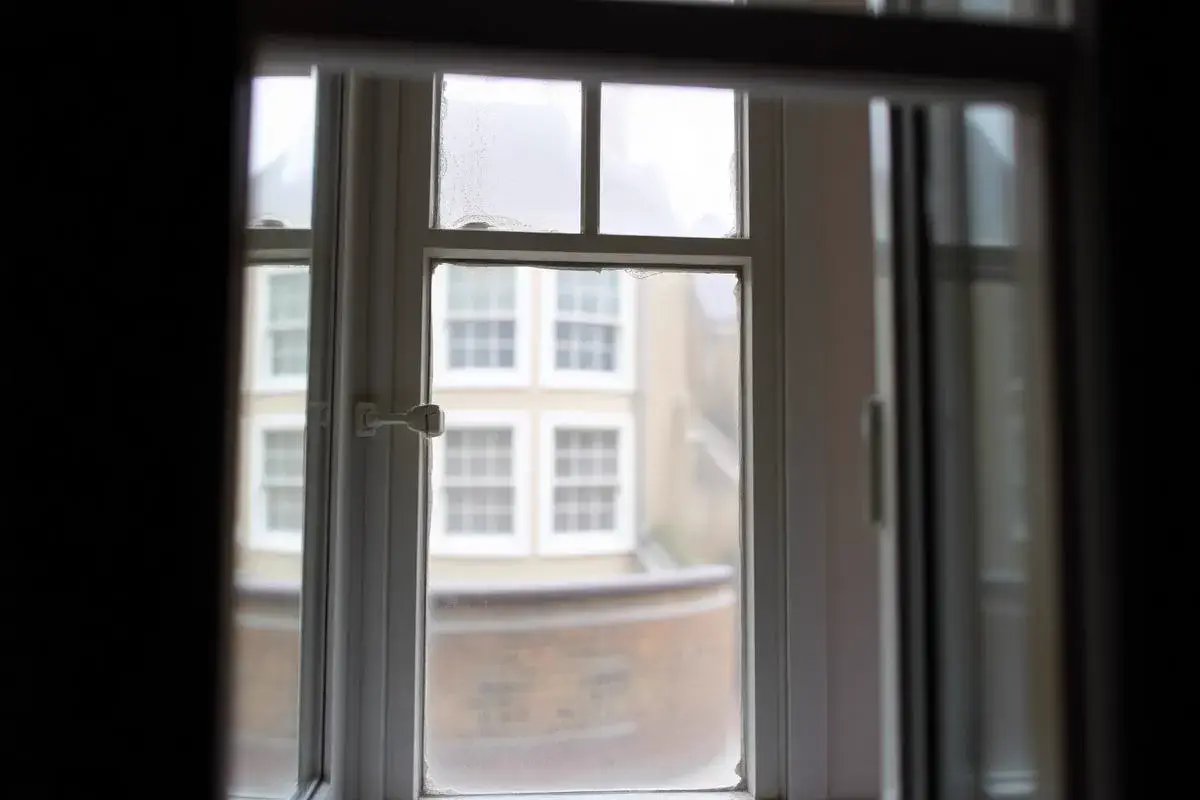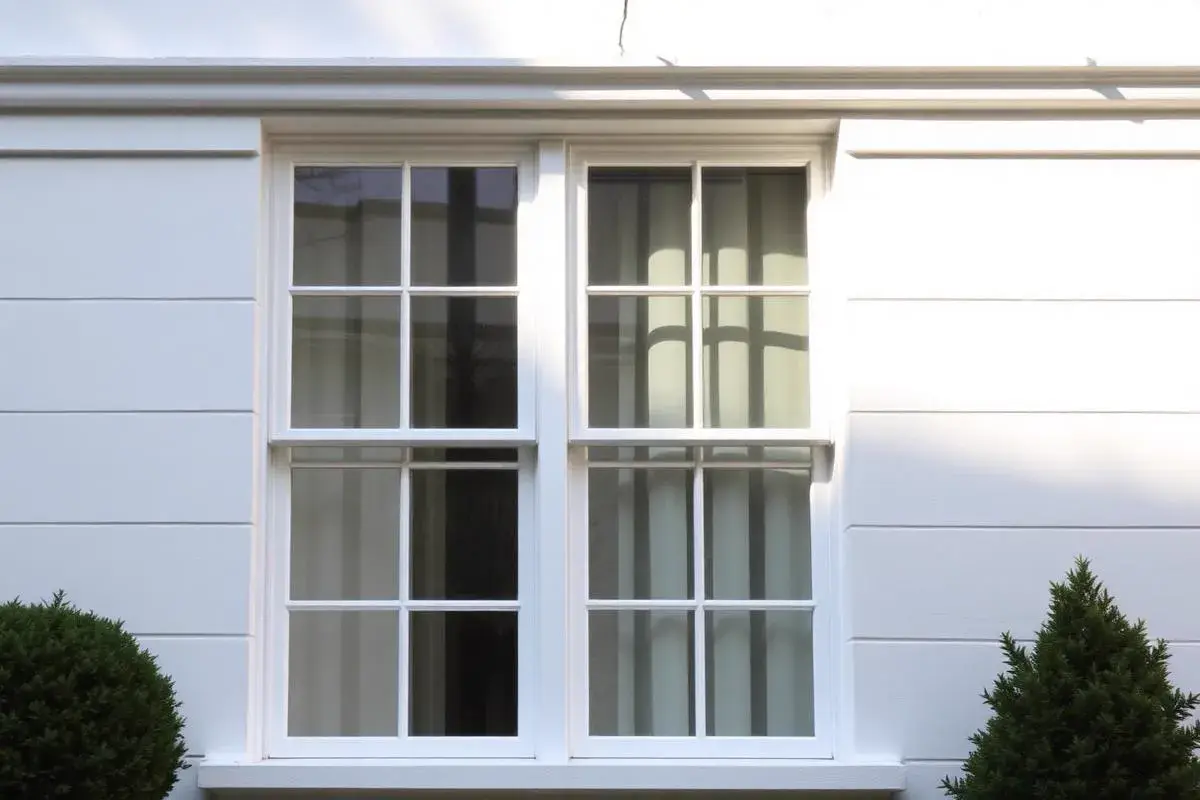
Family homes: prioritise bedrooms before seasonal events
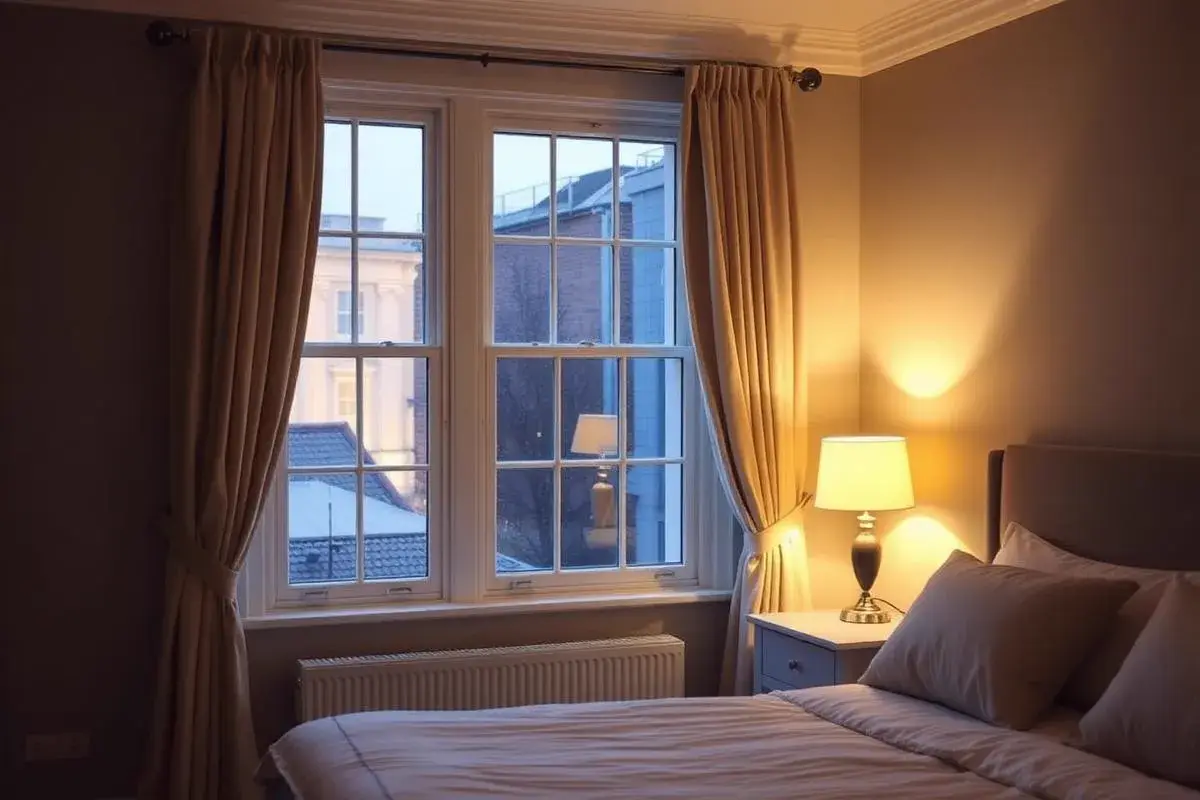
The A3, rail services and championship-related activity have different patterns in Wimbledon. For a family home, an occasional busy period should not automatically drive the specification for every window. The regular disturbance in a child’s bedroom may be a better starting point.
This practical checklist supports our secondary glazing in Wimbledon service guide. It focuses on decisions to make before a survey, rather than presenting assumed local noise measurements.
What to check before your Wimbledon survey
Compare the room at bedtime and during the early morning. Note whether road or rail noise reaches a front or rear elevation. Include how the window is used for fresh air, blinds and cleaning so the design fits a daily routine.
The local noise context
🏛️ Living in a listed building or conservation area?
See how we navigate planning permission and protect your heritage windows. Read our conservation area guide →
Traffic near the A3, trains and occasional championship-related activity have different timing and sound characteristics. A Wimbledon family home might prioritise a child’s bedroom beside a road, while another property is more affected by a rear-facing rail line.
Our area directory describes the local property stock as edwardian houses, victorian terraces and modern flats. These are contextual examples, not evidence that every address shares the same exposure or building construction.
Choosing an acoustic window arrangement
Secondary glazing for Wimbledon homes can keep Edwardian or Victorian windows intact while adding an internal acoustic layer. We check sash condition and safe opening arrangements before choosing the seals, glass and cavity for soundproofing an SW19 or SW20 room.
Ask for a room-priority schedule rather than a single whole-house assumption. Safe opening arrangements, ventilation and access are part of the choice. Acoustic glazing reduces one route for sound; it does not remove all neighbourhood activity.
Understand the limits before comparing quotes
Rail disturbance can include airborne rolling sound and vibration transmitted through the building. These need different investigations. Note whether the event is heard at the glass, felt in the floor or noticeable throughout the room. Secondary glazing addresses the window opening; it should not be presented as a guaranteed remedy for structural vibration. Tell the surveyor about events that were absent during the visit.
Read our railway noise guidance for the wider principles. Laboratory insulation figures cannot simply be subtracted from an outdoor sound reading to guarantee an indoor level. Ask which test or assessment supports any performance estimate and what conditions it assumes.
Prepare a useful enquiry
💷 Wondering about costs?
Use our calculator to get an instant estimate for your windows. Try the cost calculator →
- Give your postcode and identify the room you want quieter.
- Include the number of windows and photographs of the full openings.
- Describe the sound, its timing and whether it changes with the windows closed.
- Flag shutters, ventilation, awkward access or protected-building requirements.
Compare the written scope for glass, frame, opening style, preparation and fitting rather than only the headline price. Visit London secondary glazing pricing for the current starting costs, then request a free survey for your Wimbledon property.
Continue your local research
Return to the secondary glazing London local guides or read Primrose Hill window guidance and Southwark window guidance. Nearby articles illustrate related decisions; they do not establish noise levels at your address.
Frequently Asked Questions
Solutions covered in this guide
Go straight to the dedicated London landing page for the system or property type discussed above.
- Quiet bedrooms with secondary glazingSleep-grade acoustic targets and the glass specs that reach them.
- Secondary glazing for sash windowsPurpose-built systems for London box sash windows — specs, prices and heritage detailing.
- Sliding secondary glazingHorizontal and vertical sliders for sash and casement windows — up to 51dB with full ventilation access.
- Secondary glazing for listed buildingsFully reversible, consent-friendly specifications for Grade I and Grade II properties.
Sources & References
Authoritative sources supporting the information on this page.
- British Standards Institution (2014). Guidance on sound insulation and noise reduction for buildings (BS 8233:2014). BSI Standards.
Sets the recommended internal noise levels for bedrooms and living rooms used to judge how much glazing performance a home needs.
- World Health Organization Regional Office for Europe (2018). Environmental Noise Guidelines for the European Region. World Health Organization.Open source
Evidence-based guideline levels for road, rail and aircraft noise and their links to sleep disturbance and health.
- HM Government (2015). Approved Document E: Resistance to the passage of sound. The Building Regulations 2010.Open source
The statutory guidance on sound insulation in dwellings in England.
- British Standards Institution (2020). Acoustics: Rating of sound insulation in buildings and of building elements, Part 1: Airborne sound insulation (BS EN ISO 717-1). BSI Standards.
Defines the Rw and Rw+Ctr ratings used to compare the acoustic performance of glazing systems.
- British Standards Institution (2019). Glass in building: Glazing and airborne sound insulation (BS EN 12758). BSI Standards.
Describes how the sound insulation of glass types, including acoustic laminates, is characterised.
"The noise reduction is extraordinary. Our Victorian terrace is finally peaceful."
— James R., Islington
Planning a project?
Get an instant estimate with our Secondary Glazing Cost Calculator or Book a Professional Sound Survey.
Related services & guides
Move beyond the blog: jump straight to the matching service pages, cost tools and technical guides that go deeper on this topic.
- Specialist acoustic glazing service
The full acoustic glazing menu with dB targets and pricing.
- Transparent London secondary glazing pricing
Fixed 2026 prices per window with no hidden extras.
- ROI & payback calculator
Instant estimate for your window count, glass spec and property type.
- Request a free bespoke quote
Same-week written quote based on your exact requirements.