Cromwell Road bedrooms: assess the window reveal
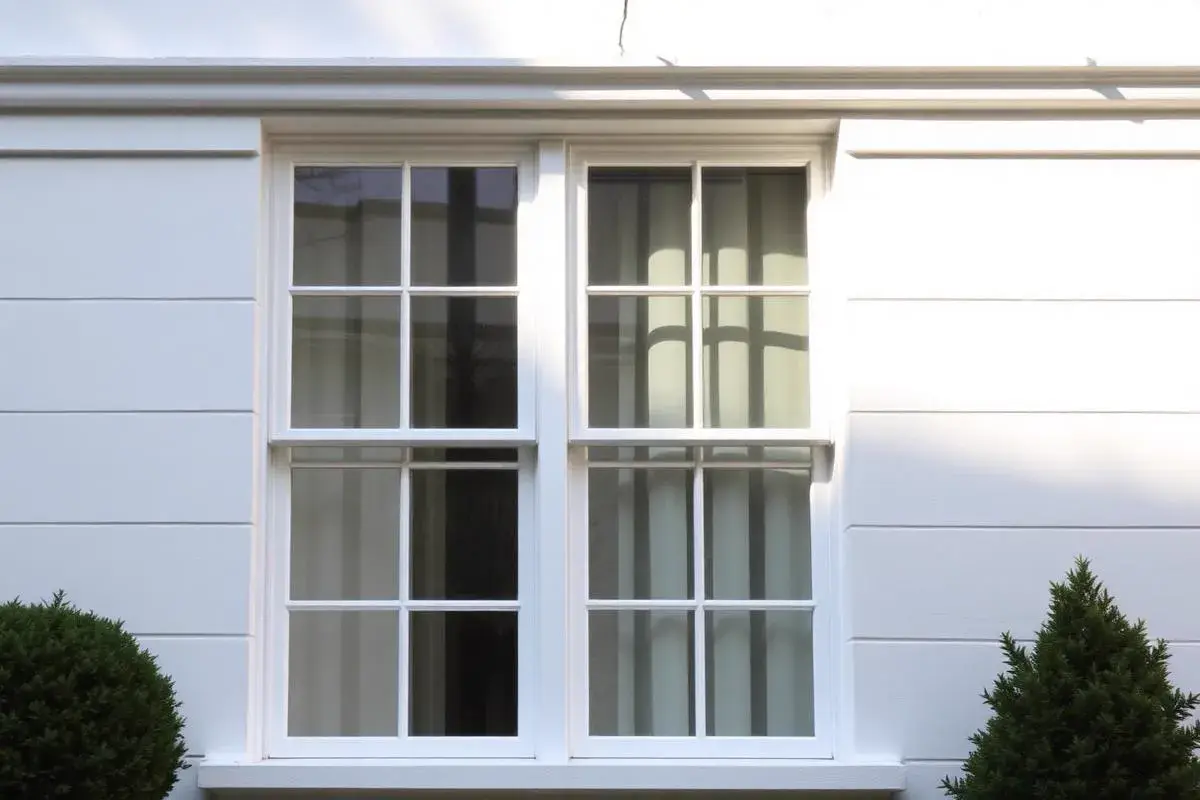
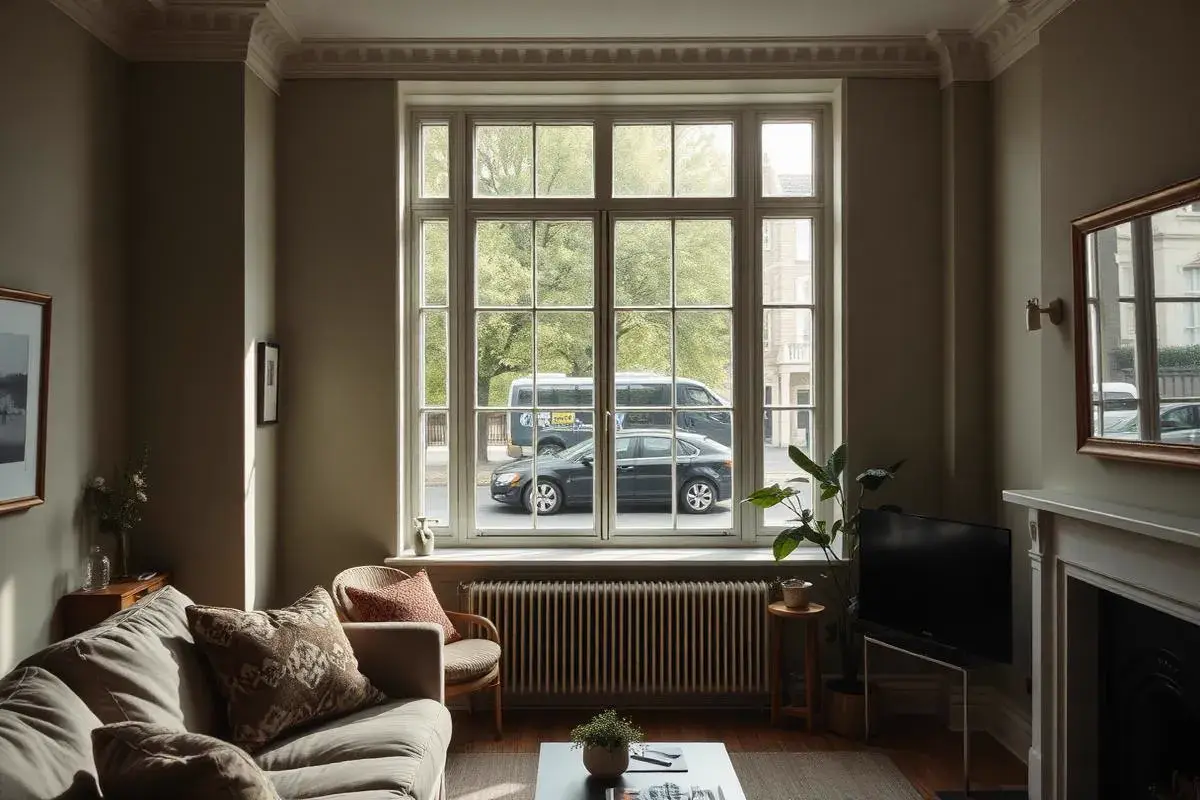
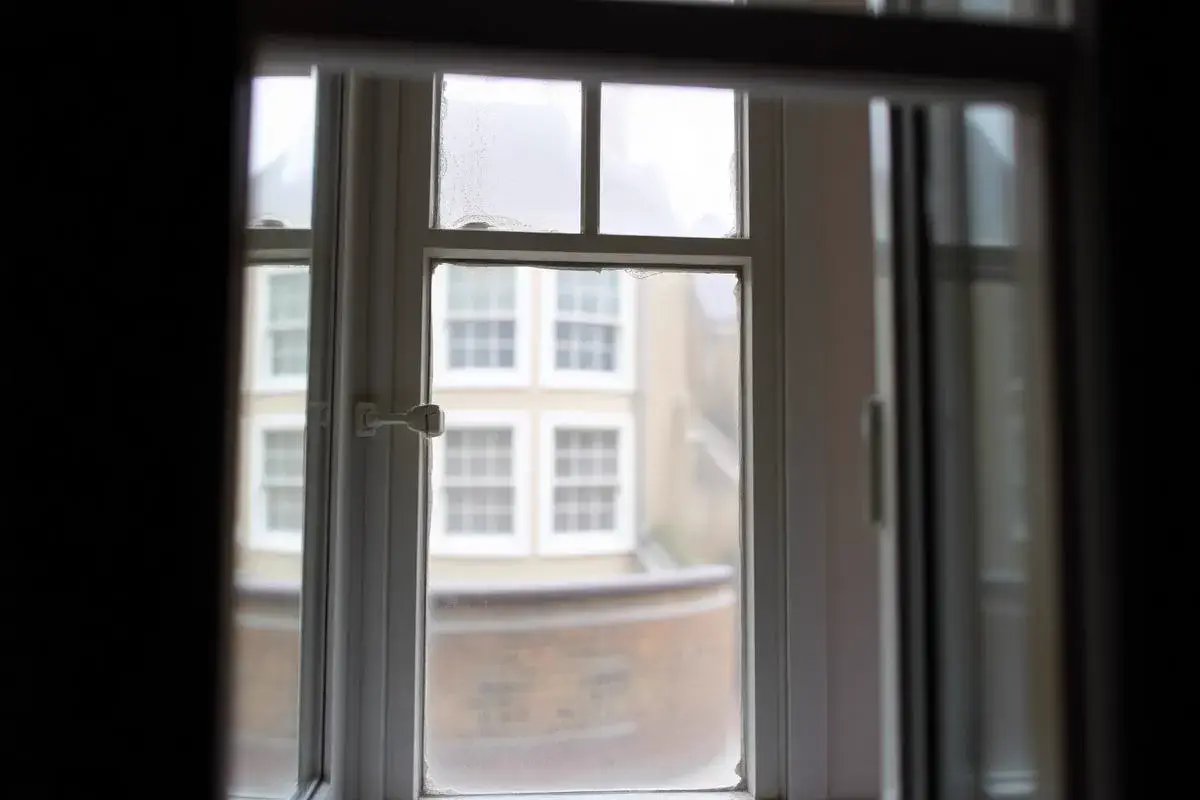
Cromwell Road is a useful example of why a Kensington window survey must look beyond the appearance of the sash. Passing coaches and road traffic can affect a front bedroom very differently from a rear room in the same townhouse. The internal reveal determines how much separation is practical behind the original glazing.
This practical checklist supports our secondary glazing in Kensington service guide. It focuses on decisions to make before a survey, rather than presenting assumed local noise measurements.
What to check before your Kensington survey
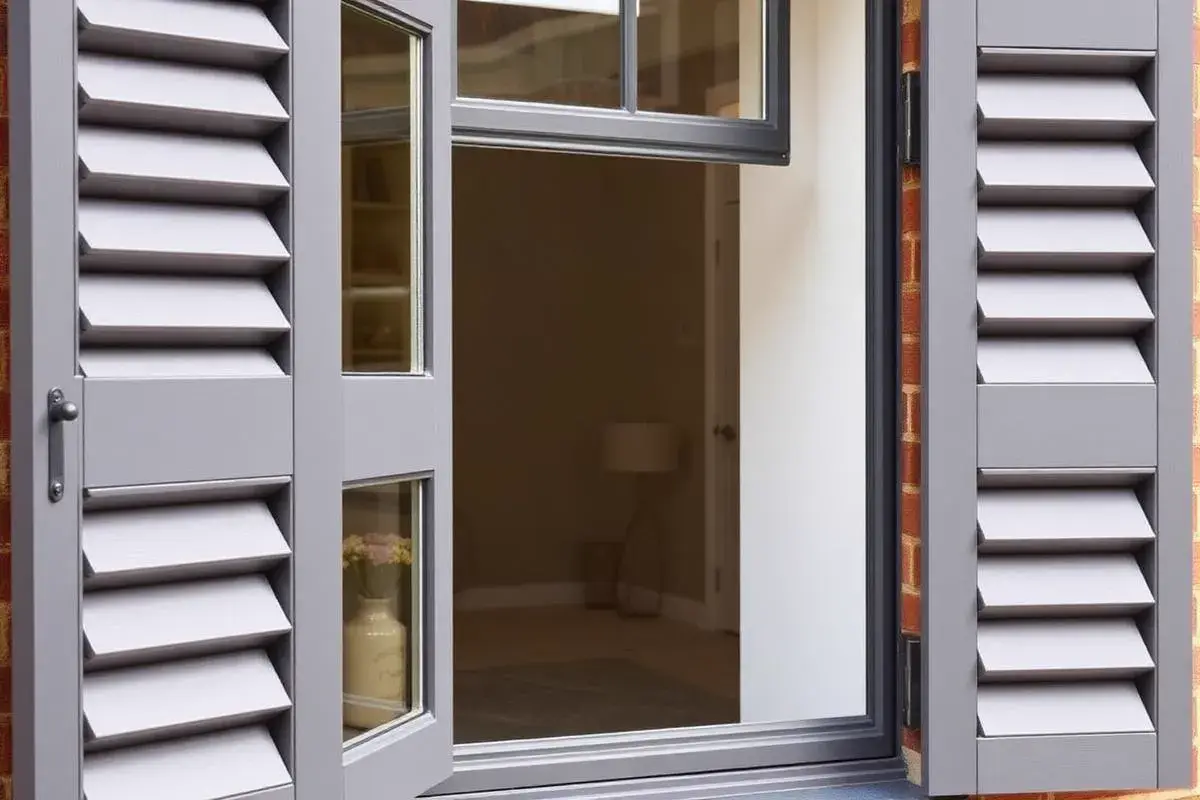
Photograph the window with curtains drawn back and shutters open. Include the sill, surrounding mouldings and radiator position. A secondary frame must not simply occupy the deepest available point if that stops the shutters folding or makes the original sash inaccessible.
A workable frame detail behind Kensington shutters
🏛️ Living in a listed building or conservation area?
See how we navigate planning permission and protect your heritage windows. Read our conservation area guide →
Ask for the clearance to be checked with both the shutter leaves and proposed secondary panel in their fully open positions. A drawing of a closed window alone can hide a collision. Decorative mouldings should not be assumed to be suitable fixing surfaces. Establish the mounting position, the usable cavity and any preparation before choosing a glass option.
Compare the proposed arrangement for this window
Ask the surveyor to compare a reveal-fixed arrangement with alternatives where space is restricted. The proposal should retain usable handles and explain how the inner window opens for cleaning. In protected buildings, the frame detail may also need to be included in a consent submission.
For the shared technical principles, read our traffic noise guidance and measurement and performance FAQs.
Arrange a Kensington window survey
Our Kensington service page covers W8, W11, SW7. Send the window photographs and observations described above with your postcode. Compare London secondary glazing costs, then request a free survey.
54dB Specialists is a mobile service covering London, not a separate branch in each neighbourhood. Call 0207 060 1572 or email secondaryglazings@gmail.com. Opening hours: Monday–Friday 8am–6pm, Saturday 9am–4pm; closed Sunday. Business details and all covered areas.
Continue your local research
💷 Wondering about costs?
Use our calculator to get an instant estimate for your windows. Try the cost calculator →
Return to the secondary glazing London local guides or read London window guidance and Westminster window guidance. These articles explore related decisions, not measured noise levels at your address.
Frequently Asked Questions
Solutions covered in this guide
Go straight to the dedicated London landing page for the system or property type discussed above.
- Quiet bedrooms with secondary glazingSleep-grade acoustic targets and the glass specs that reach them.
- Secondary glazing for sash windowsPurpose-built systems for London box sash windows — specs, prices and heritage detailing.
- Sliding secondary glazingHorizontal and vertical sliders for sash and casement windows — up to 51dB with full ventilation access.
- Secondary glazing for listed buildingsFully reversible, consent-friendly specifications for Grade I and Grade II properties.
Sources & References
Authoritative sources supporting the information on this page.
- British Standards Institution (2014). Guidance on sound insulation and noise reduction for buildings (BS 8233:2014). BSI Standards.
Sets the recommended internal noise levels for bedrooms and living rooms used to judge how much glazing performance a home needs.
- World Health Organization Regional Office for Europe (2018). Environmental Noise Guidelines for the European Region. World Health Organization.Open source
Evidence-based guideline levels for road, rail and aircraft noise and their links to sleep disturbance and health.
- Greater London Authority (2021). The London Plan 2021, Policy D14: Noise. Mayor of London.Open source
The London planning policy on reducing, managing and mitigating noise in homes across the capital.
- Department for Environment, Food & Rural Affairs (2010). Noise Policy Statement for England. GOV.UK.Open source
The government policy framework for managing environmental, neighbour and neighbourhood noise.
- HM Government (2015). Approved Document E: Resistance to the passage of sound. The Building Regulations 2010.Open source
The statutory guidance on sound insulation in dwellings in England.
"Brilliant installation — completely invisible from outside. Conservation officer approved."
— David L., Westminster
Planning a project?
Get an instant estimate with our Secondary Glazing Cost Calculator or Book a Professional Sound Survey.
Related services & guides
Move beyond the blog: jump straight to the matching service pages, cost tools and technical guides that go deeper on this topic.
- Specialist acoustic glazing service
The full acoustic glazing menu with dB targets and pricing.
- Transparent London secondary glazing pricing
Fixed 2026 prices per window with no hidden extras.
- ROI & payback calculator
Instant estimate for your window count, glass spec and property type.
- Request a free bespoke quote
Same-week written quote based on your exact requirements.