King’s Road flats: plan quieter evening ventilation
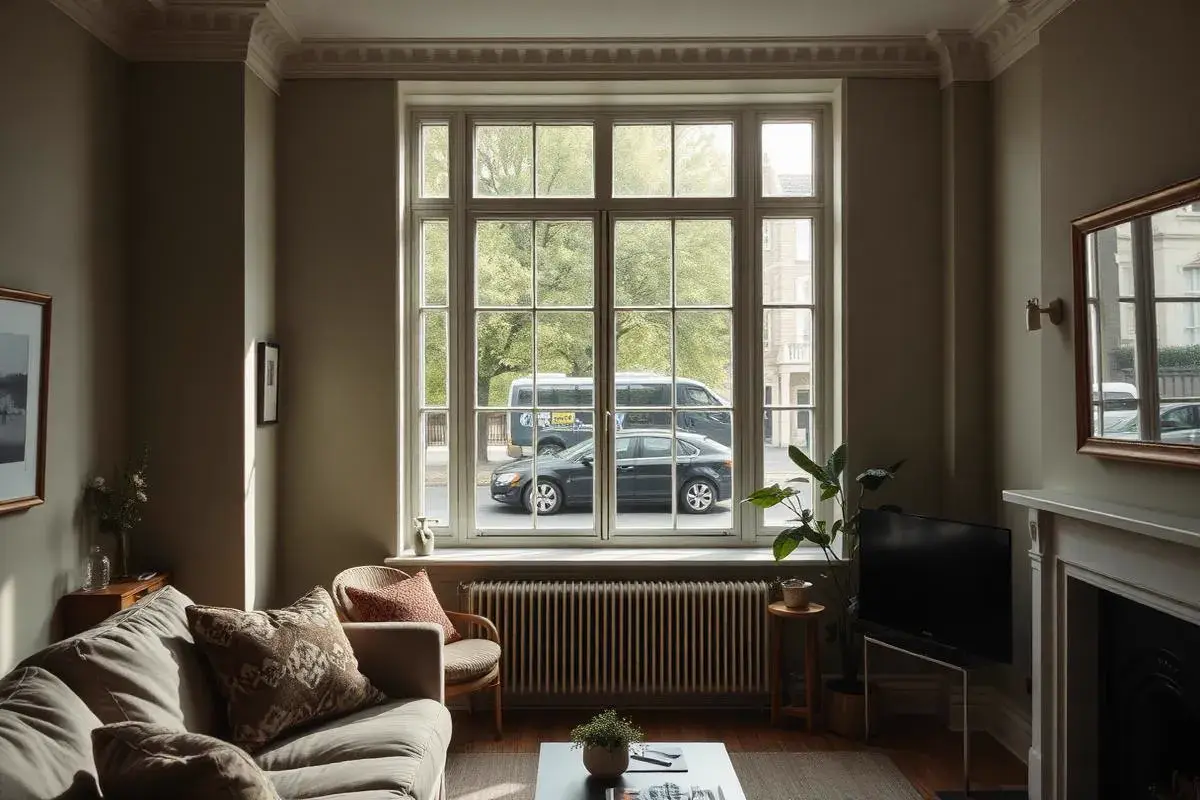
On King’s Road, passing vehicles, deliveries and evening voices may overlap. Chelsea Embankment has a different traffic pattern. A flat above a lively frontage needs a plan for ventilation as well as a sealed acoustic window; leaving a pane open changes the sound path immediately.
This practical checklist supports our secondary glazing in Chelsea service guide. It focuses on decisions to make before a survey, rather than presenting assumed local noise measurements.
What to check before your Chelsea survey
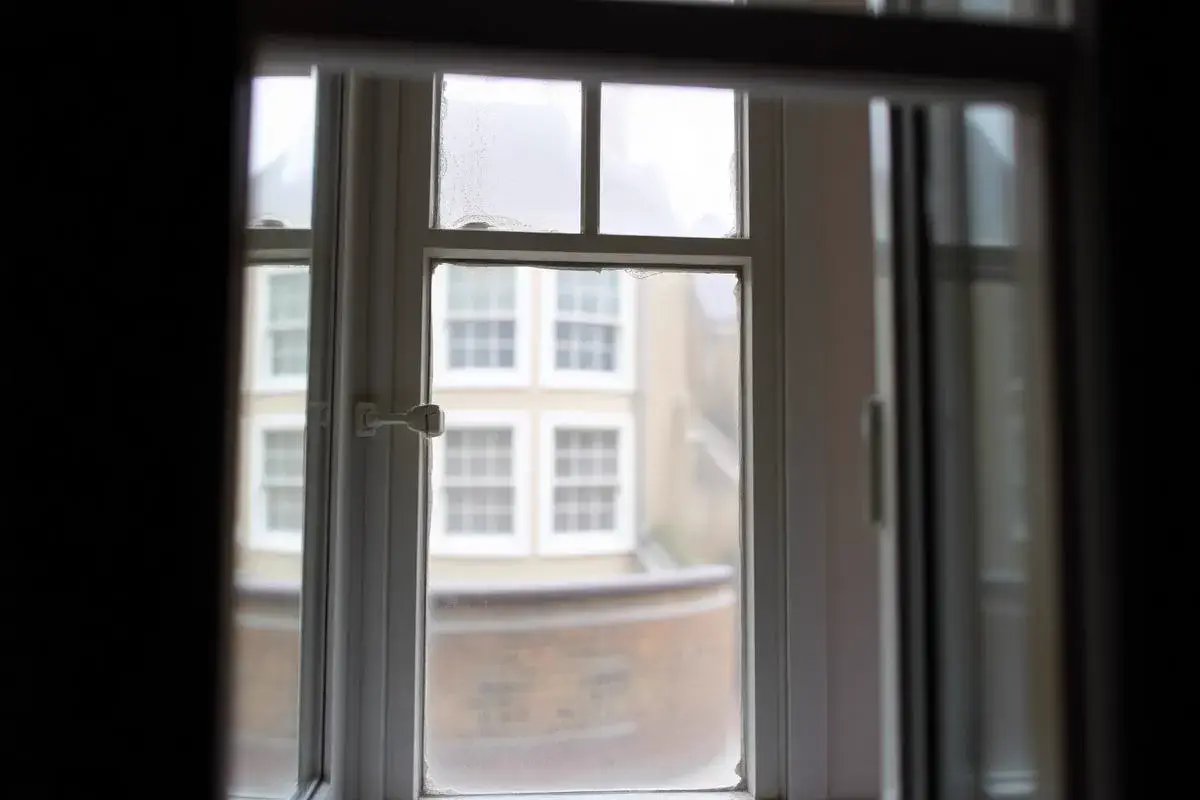
Record whether disturbance is greatest while you are cooking, working or trying to sleep. Identify any existing extract ventilation and whether you rely on the street-facing window for fresh air. A quieter rear opening may offer a different practical option, depending on the flat layout.
Ventilation decisions for a King’s Road flat
🏛️ Living in a listed building or conservation area?
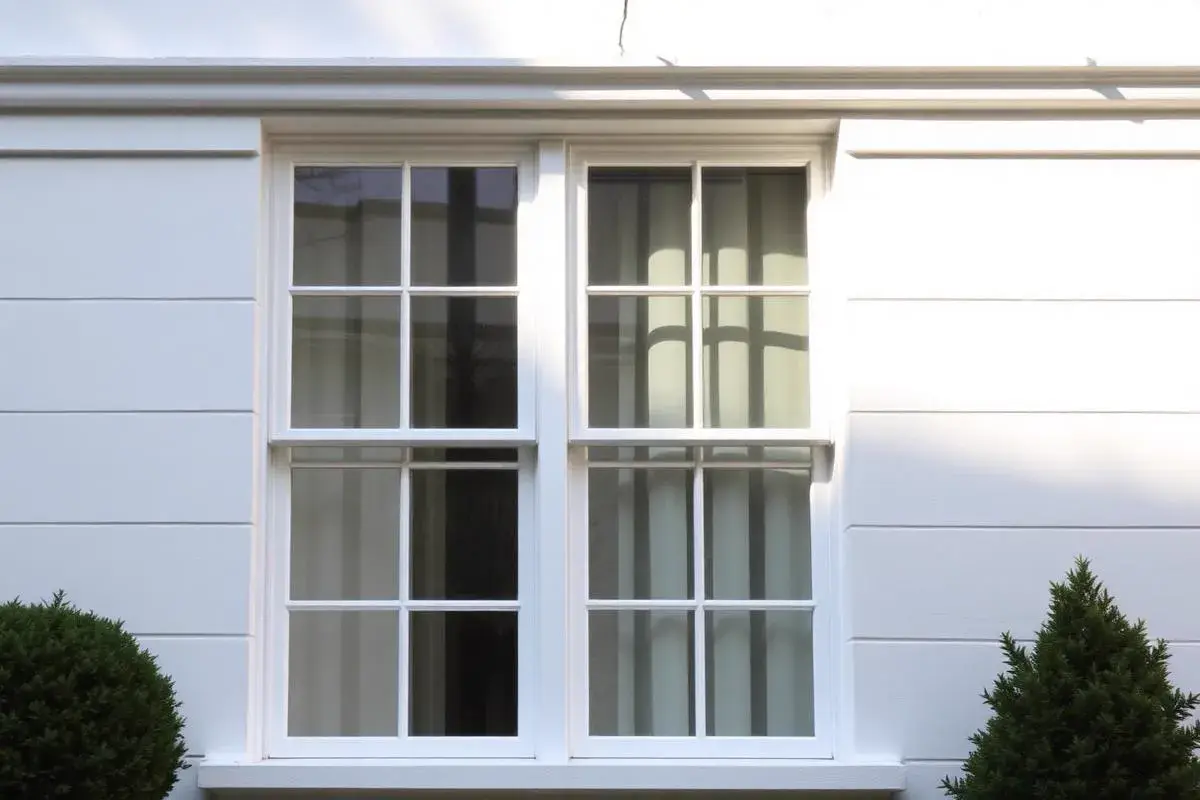
See how we navigate planning permission and protect your heritage windows. Read our conservation area guide →
If the street window is the only practical air inlet, discuss that constraint explicitly rather than expecting residents to keep it sealed at all times. Mechanical extraction does not by itself demonstrate that replacement fresh air is adequately provided. Ask an appropriate professional to assess the air route and management requirements; the glazing proposal should state the conditions under which its acoustic estimate applies.
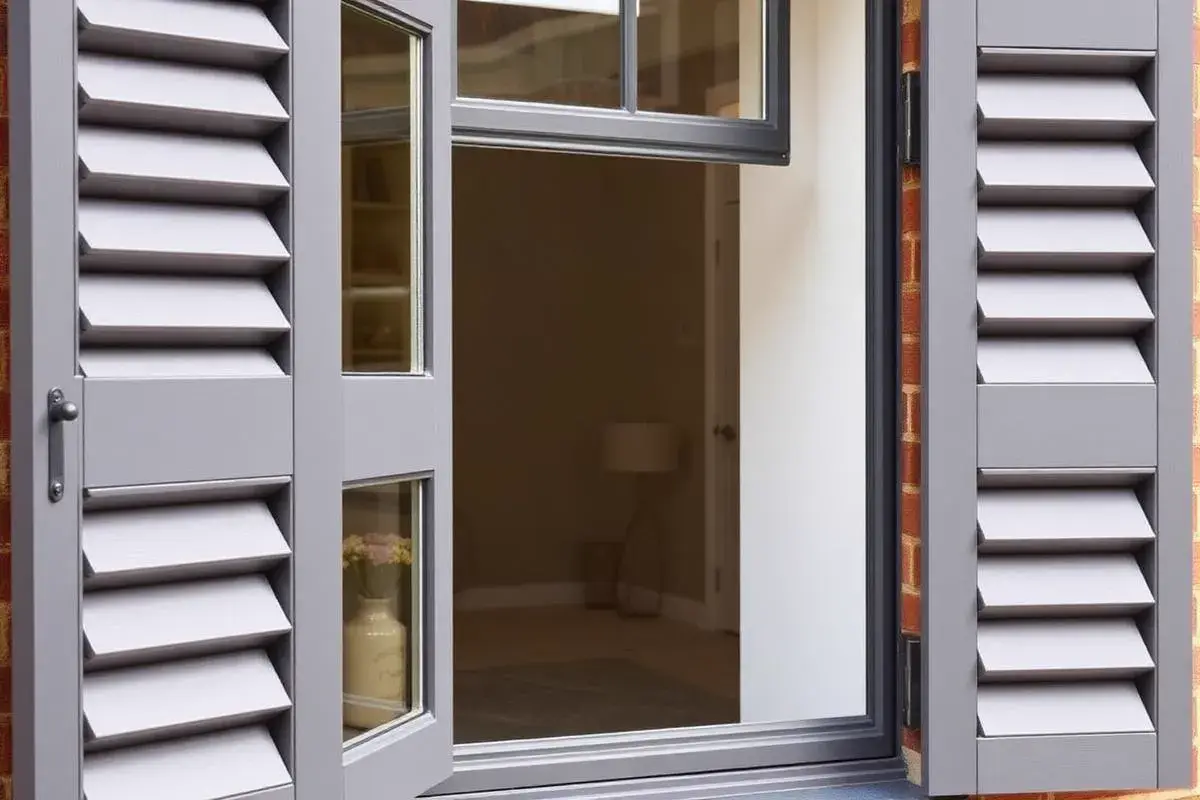
Compare the proposed arrangement for this window
Discuss ventilation before choosing the glass. Any alternative air route should be considered for its own acoustic performance, and existing vents should not be blocked casually. In a managed building, check which changes require the freeholder’s agreement.
For the shared technical principles, read our nightlife noise guidance and measurement and performance FAQs.
Arrange a Chelsea window survey
Our Chelsea service page covers SW3, SW10. Send the window photographs and observations described above with your postcode. Compare London secondary glazing costs, then request a free survey.
54dB Specialists is a mobile service covering London, not a separate branch in each neighbourhood. Call 0207 060 1572 or email secondaryglazings@gmail.com. Opening hours: Monday–Friday 8am–6pm, Saturday 9am–4pm; closed Sunday. Business details and all covered areas.
Continue your local research
💷 Wondering about costs?
Use our calculator to get an instant estimate for your windows. Try the cost calculator →
Return to the secondary glazing London local guides or read Notting Hill window guidance and Fulham window guidance. These articles explore related decisions, not measured noise levels at your address.
Frequently Asked Questions
Solutions covered in this guide
Go straight to the dedicated London landing page for the system or property type discussed above.
- Secondary glazing for sash windowsPurpose-built systems for London box sash windows — specs, prices and heritage detailing.
- Sliding secondary glazingHorizontal and vertical sliders for sash and casement windows — up to 51dB with full ventilation access.
- Secondary glazing for listed buildingsFully reversible, consent-friendly specifications for Grade I and Grade II properties.
- Traffic noise secondary glazingSpecs matched to road-noise frequency profiles on London’s busiest streets.
Sources & References
Authoritative sources supporting the information on this page.
- British Standards Institution (2014). Guidance on sound insulation and noise reduction for buildings (BS 8233:2014). BSI Standards.
Sets the recommended internal noise levels for bedrooms and living rooms used to judge how much glazing performance a home needs.
- Greater London Authority (2021). The London Plan 2021, Policy D14: Noise. Mayor of London.Open source
The London planning policy on reducing, managing and mitigating noise in homes across the capital.
- World Health Organization Regional Office for Europe (2018). Environmental Noise Guidelines for the European Region. World Health Organization.Open source
Evidence-based guideline levels for road, rail and aircraft noise and their links to sleep disturbance and health.
- HM Government (2015). Approved Document E: Resistance to the passage of sound. The Building Regulations 2010.Open source
The statutory guidance on sound insulation in dwellings in England.
- British Standards Institution (2020). Acoustics: Rating of sound insulation in buildings and of building elements, Part 1: Airborne sound insulation (BS EN ISO 717-1). BSI Standards.
Defines the Rw and Rw+Ctr ratings used to compare the acoustic performance of glazing systems.
"Brilliant installation — completely invisible from outside. Conservation officer approved."
— David L., Westminster
Planning a project?
Get an instant estimate with our Secondary Glazing Cost Calculator or Book a Professional Sound Survey.
Related services & guides
Move beyond the blog: jump straight to the matching service pages, cost tools and technical guides that go deeper on this topic.
- Specialist acoustic glazing service
The full acoustic glazing menu with dB targets and pricing.
- Transparent London secondary glazing pricing
Fixed 2026 prices per window with no hidden extras.
- ROI & payback calculator
Instant estimate for your window count, glass spec and property type.
- Request a free bespoke quote
Same-week written quote based on your exact requirements.