Compact flats: choose usable inner window openings
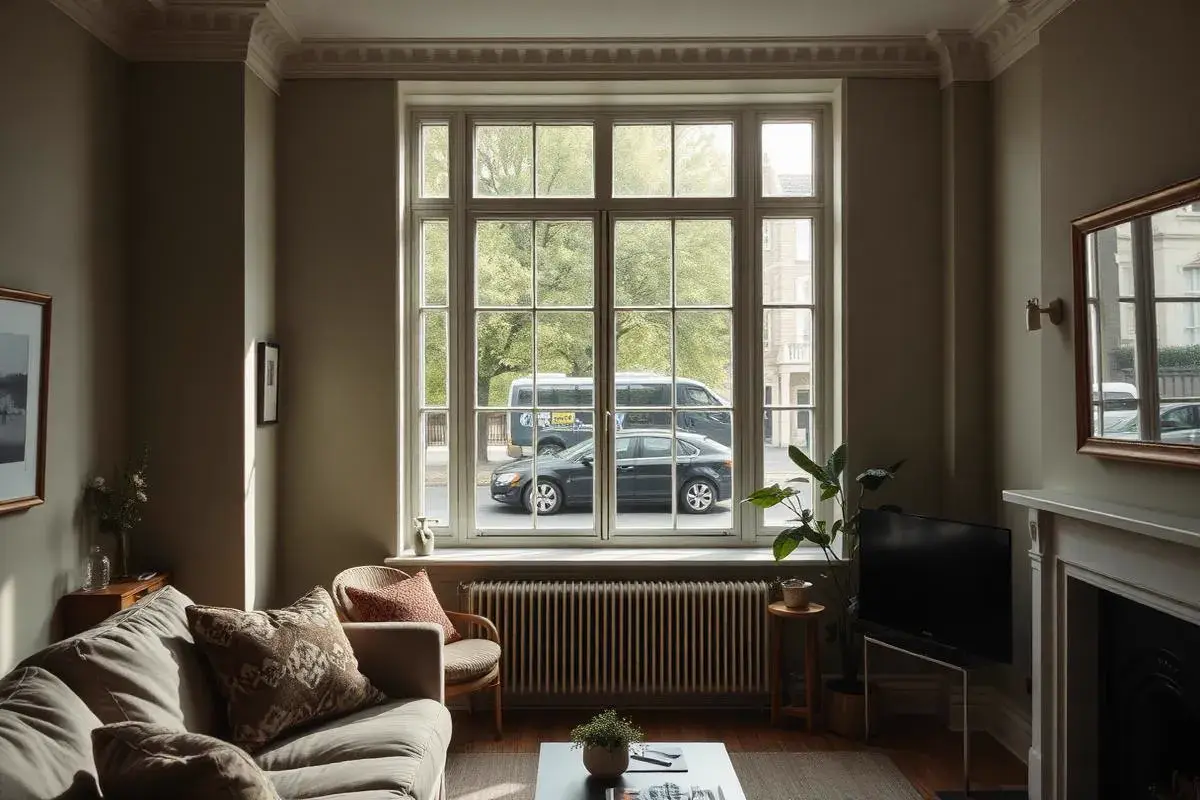
Regent’s Park Road activity and nearby rail lines can affect different Primrose Hill addresses. In a compact upper-floor flat, improving a bedroom window must not mean losing the space needed to open it. Furniture and sloping reveals can restrict an otherwise suitable inner frame.
This practical checklist supports our secondary glazing in Primrose Hill service guide. It focuses on decisions to make before a survey, rather than presenting assumed local noise measurements.
What to check before your Primrose Hill survey
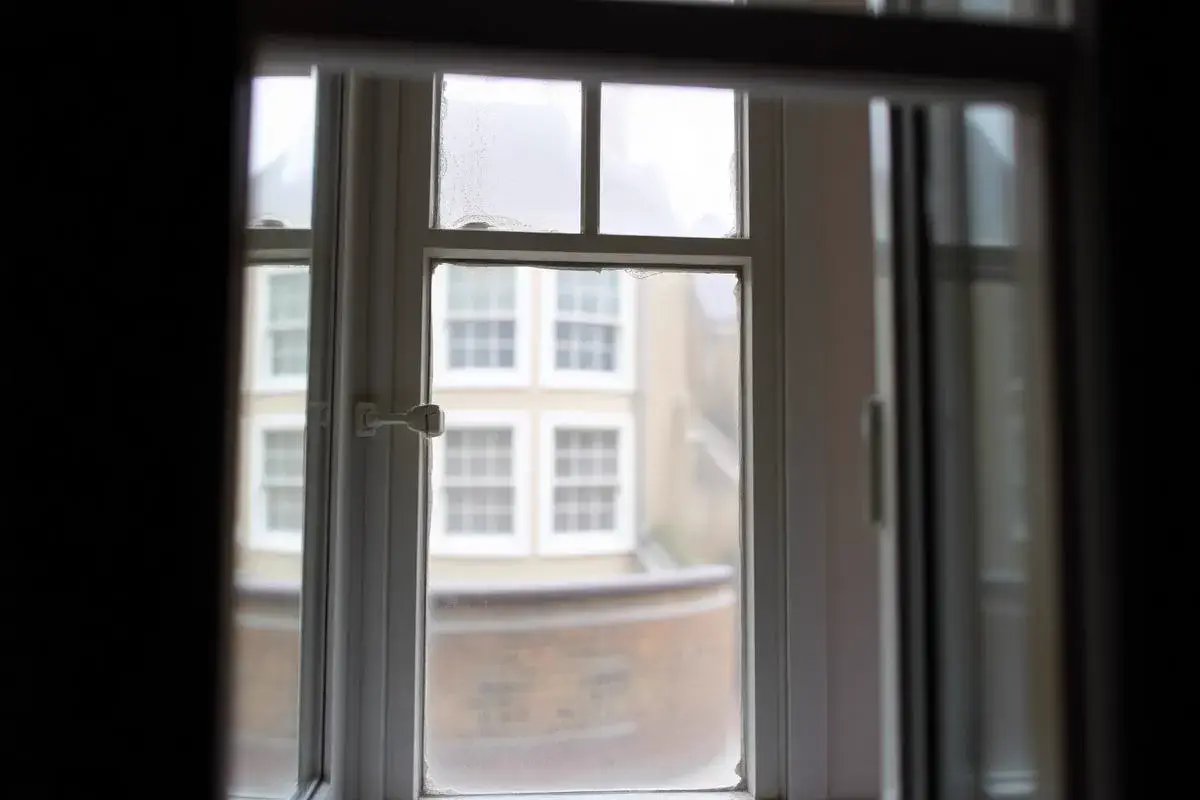
Measure practical clearances around the bed, desk and curtains, not just the window width. Show whether the original sash is used for ventilation. A lift-out pane also needs a safe place to rest while the outer window is cleaned.
A safe opening choice in a compact bedroom
🏛️ Living in a listed building or conservation area?
See how we navigate planning permission and protect your heritage windows. Read our conservation area guide →
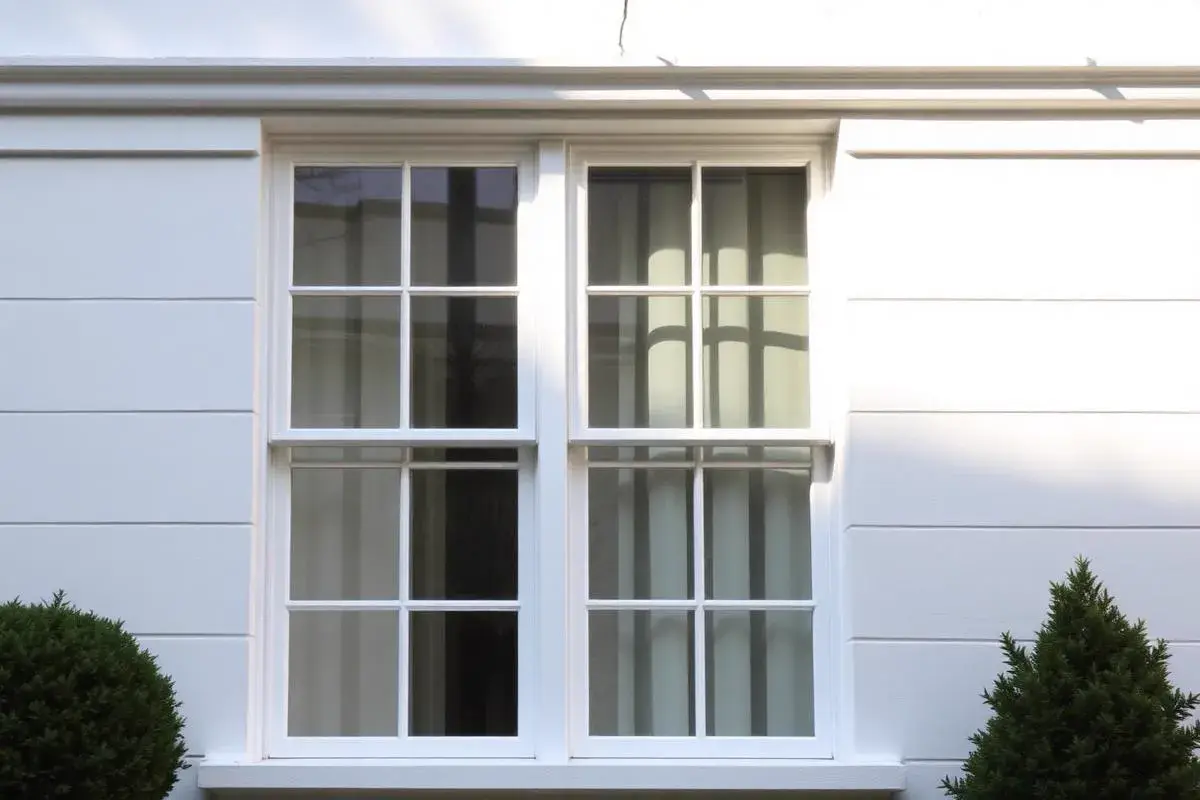
Test the available opening space with the furniture in its normal position. If cleaning requires moving a bed or handling a large pane in a narrow passage, record that before selecting the unit. A sliding arrangement has different access constraints from a hinged panel. Choose an arrangement residents can close securely and maintain, not one that works only in an empty room.
Compare the proposed arrangement for this window
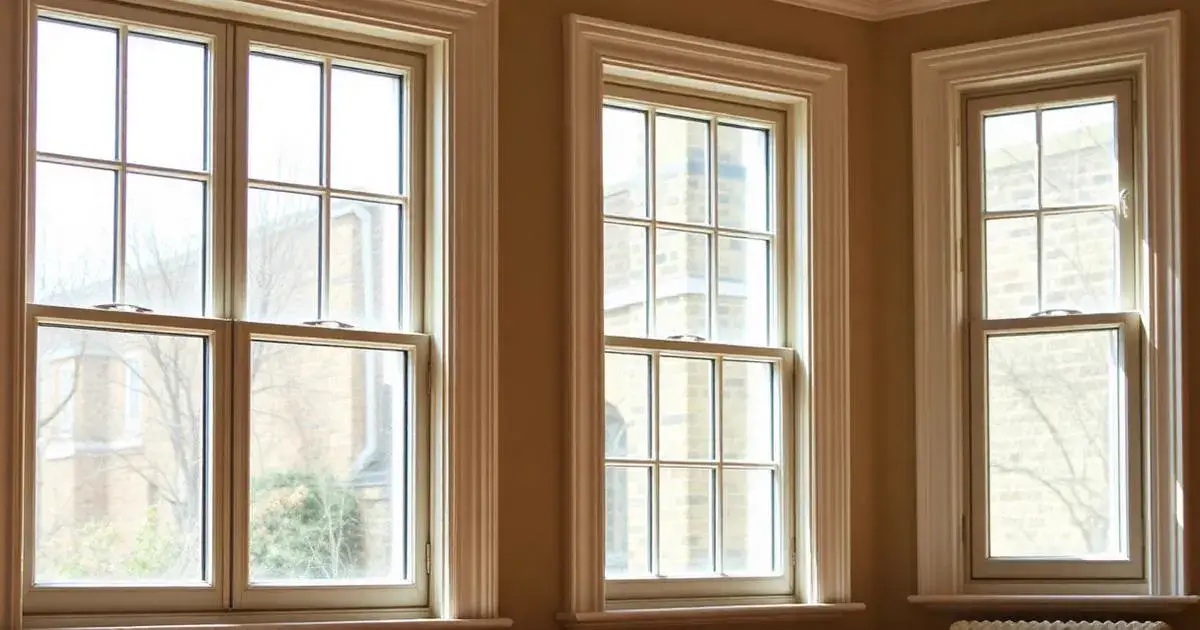
Compare handling and access alongside the acoustic specification. A hinged panel needs a clear swing; a sliding arrangement needs an appropriate track layout. The best choice is the one that can stay properly closed and still be used safely.
For the shared technical principles, read our railway noise guidance and measurement and performance FAQs.
Arrange a Primrose Hill window survey
Our Primrose Hill service page covers NW1, NW3. Send the window photographs and observations described above with your postcode. Compare London secondary glazing costs, then request a free survey.
54dB Specialists is a mobile service covering London, not a separate branch in each neighbourhood. Call 0207 060 1572 or email secondaryglazings@gmail.com. Opening hours: Monday–Friday 8am–6pm, Saturday 9am–4pm; closed Sunday. Business details and all covered areas.
Continue your local research
💷 Wondering about costs?
Use our calculator to get an instant estimate for your windows. Try the cost calculator →
Return to the secondary glazing London local guides or read Wimbledon window guidance and Southwark window guidance. These articles explore related decisions, not measured noise levels at your address.
Frequently Asked Questions
Solutions covered in this guide
Go straight to the dedicated London landing page for the system or property type discussed above.
- Secondary glazing for sash windowsPurpose-built systems for London box sash windows — specs, prices and heritage detailing.
- Sliding secondary glazingHorizontal and vertical sliders for sash and casement windows — up to 51dB with full ventilation access.
- Secondary glazing for listed buildingsFully reversible, consent-friendly specifications for Grade I and Grade II properties.
- Traffic noise secondary glazingSpecs matched to road-noise frequency profiles on London’s busiest streets.
Sources & References
Authoritative sources supporting the information on this page.
- British Standards Institution (2014). Guidance on sound insulation and noise reduction for buildings (BS 8233:2014). BSI Standards.
Sets the recommended internal noise levels for bedrooms and living rooms used to judge how much glazing performance a home needs.
- HM Government (2015). Approved Document E: Resistance to the passage of sound. The Building Regulations 2010.Open source
The statutory guidance on sound insulation in dwellings in England.
- British Standards Institution (2020). Acoustics: Rating of sound insulation in buildings and of building elements, Part 1: Airborne sound insulation (BS EN ISO 717-1). BSI Standards.
Defines the Rw and Rw+Ctr ratings used to compare the acoustic performance of glazing systems.
- British Standards Institution (2019). Glass in building: Glazing and airborne sound insulation (BS EN 12758). BSI Standards.
Describes how the sound insulation of glass types, including acoustic laminates, is characterised.
- World Health Organization Regional Office for Europe (2018). Environmental Noise Guidelines for the European Region. World Health Organization.Open source
Evidence-based guideline levels for road, rail and aircraft noise and their links to sleep disturbance and health.
"The noise reduction is extraordinary. Our Victorian terrace is finally peaceful."
— James R., Islington
Planning a project?
Get an instant estimate with our Secondary Glazing Cost Calculator or Book a Professional Sound Survey.
Related services & guides
Move beyond the blog: jump straight to the matching service pages, cost tools and technical guides that go deeper on this topic.
- Specialist acoustic glazing service
The full acoustic glazing menu with dB targets and pricing.
- Transparent London secondary glazing pricing
Fixed 2026 prices per window with no hidden extras.
- ROI & payback calculator
Instant estimate for your window count, glass spec and property type.
- Request a free bespoke quote
Same-week written quote based on your exact requirements.