
Secondary Glazing in Conservation Areas: The London Homeowner's Guide to Article 4 & Planning Rules
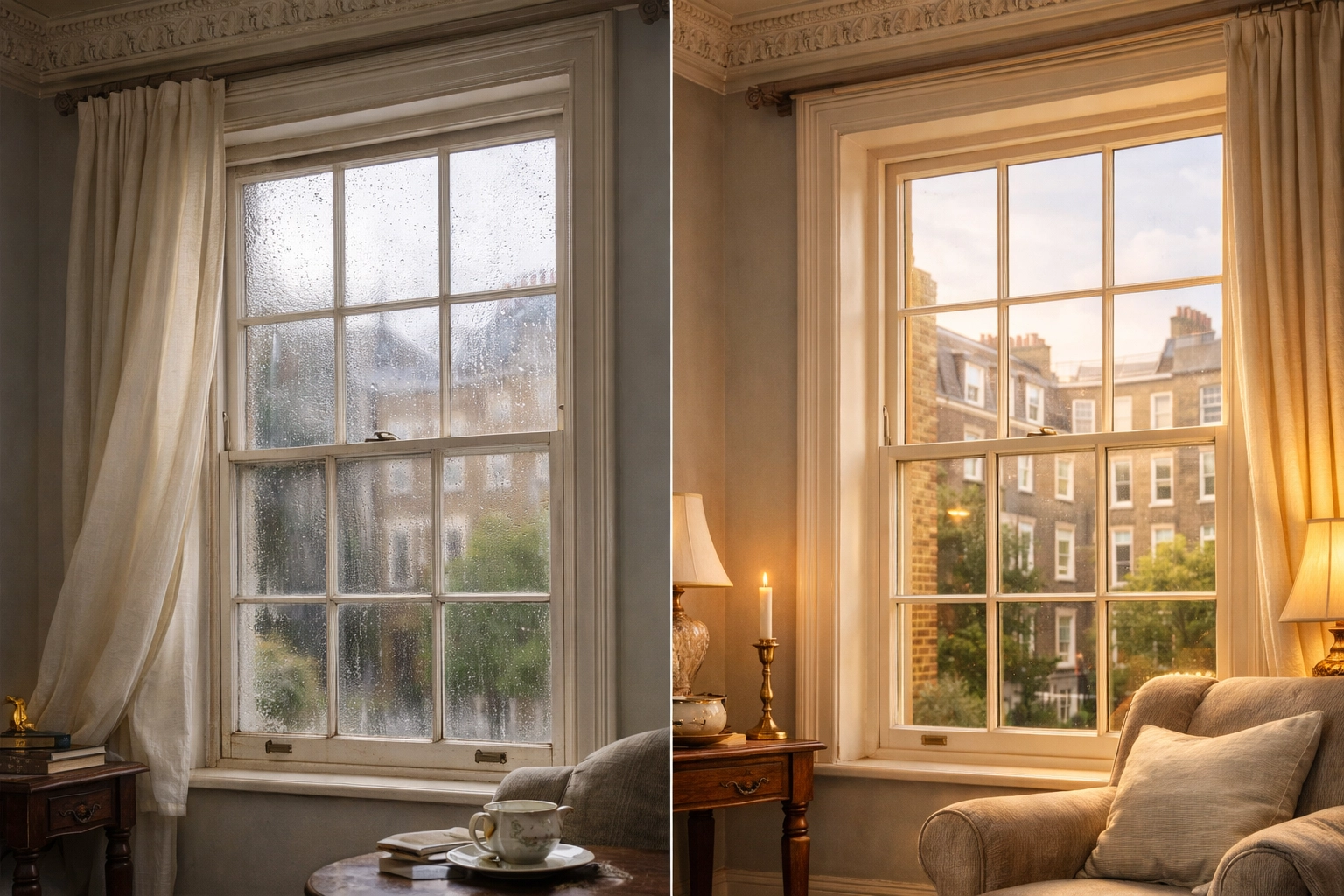
Living in one of London's 1,000+ conservation areas is a bit of a double-edged sword. On one hand, you're surrounded by incredible architecture, leafy streets, and a real sense of history. On the other hand, you're probably living in a home that feels like a walk-in freezer during the winter and sounds like a construction site during rush hour.
If you've looked into upgrading your drafty sash windows to double glazing, you've likely hit a brick wall of red tape. Between strict planning rules and the dreaded Article 4 Direction, the dream of a warm, quiet home can feel miles away.
But here's the good news: there is a way to get the thermal and acoustic performance of double glazing without the planning headache. At Secondary Glazing Specialist, we help London homeowners navigate these exact hurdles every day.
In this guide, we're breaking down everything you need to know about secondary glazing in conservation areas and why it's the ultimate loophole for heritage homes.
What Exactly is a Conservation Area?
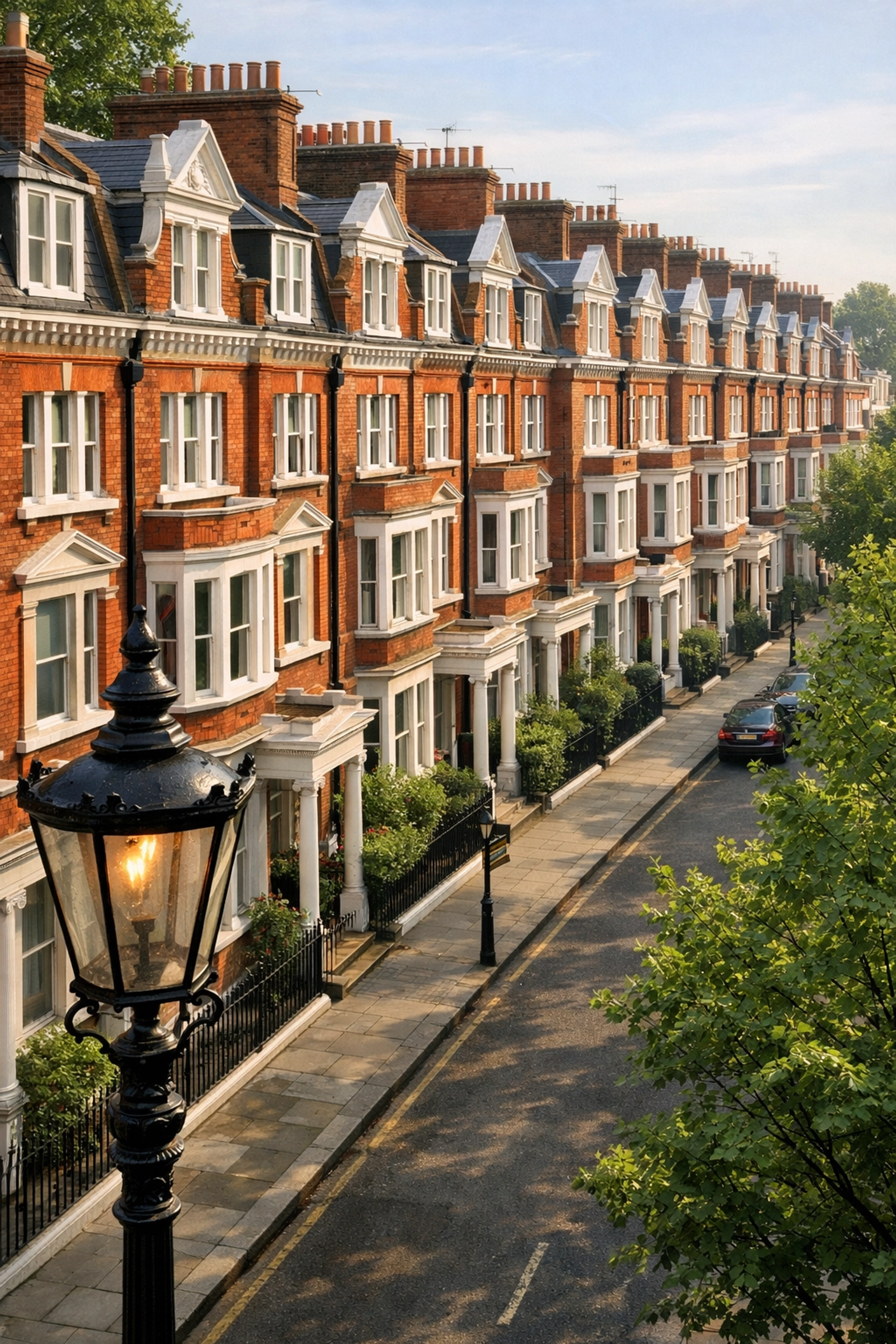
A conservation area is an area of "special architectural or historic interest," where the local council has decided the character of the neighborhood needs to be protected. In London, this covers everything from the grand Victorian terraces of Kensington to the industrial lofts of Hackney.
When your home is in a conservation area, you don't have the same "permitted development" rights as everyone else. This means you can't just swap out your original single-paned timber windows for modern uPVC double glazing. The council wants to keep the "street scene" looking exactly as it did a hundred years ago.
The "Article 4" Headache Explained
🏛️ Living in a listed building or conservation area?
See how we navigate planning permission and protect your heritage windows. Read our conservation area guide →
Most people assume that as long as they aren't in a Listed Building, they have some freedom. However, many London councils have slapped Article 4 Directions on specific streets or neighborhoods.
An Article 4 Direction is basically a council saying, "We're taking away your right to make changes even to non-listed buildings." Under Article 4, even small external changes—like replacing a window—require full planning permission. And let's be honest: getting planning permission for double glazing in a conservation area is about as easy as finding a parking spot in Soho on a Saturday night.
Why Secondary Glazing is the "Magic Loophole"
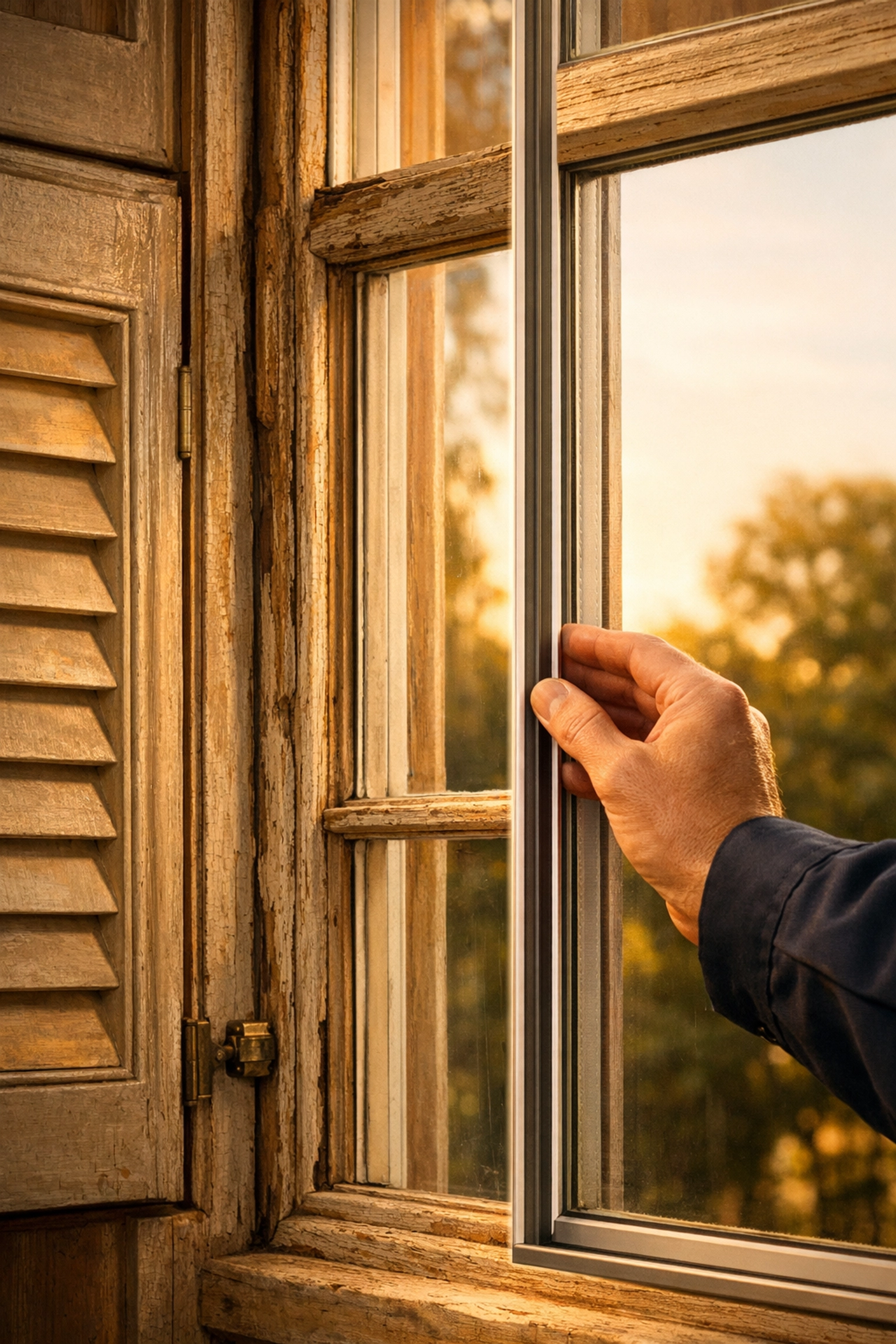
This is where secondary glazing shines. Because secondary glazing involves installing a slim, discreet second window on the inside of your existing window, it is generally considered an internal alteration.
Here is why it's the go-to solution for Londoners:
- No Planning Permission (Usually): Since it doesn't change the exterior look of your house, it typically doesn't require planning permission—even in conservation areas subject to Article 4.
- Fully Reversible: Conservation officers love this. If someone wanted to return the house to its original state in 50 years, they could simply unscrew the secondary unit.
- Preserves History: You get to keep those beautiful, original sash windows that give your home its character.
- Instant Warmth: It can reduce heat loss by up to 75%. That's a massive jump in your EPC rating and a big drop in your heating bills.
- Peace and Quiet: If you live near a busy London bus route or a flight path, secondary glazing is actually better at blocking noise than standard double glazing because of the large air gap between the two panes.
Listed Buildings vs. Conservation Areas
It's important to know the difference.
- Conservation Areas: Focus on the "look" of the neighborhood.
- Listed Buildings: Focus on the fabric of the building itself.
If your home is Grade II or Grade I listed, the rules are slightly stricter. While you still won't usually need "Planning Permission," you might need Listed Building Consent. The good news is that most heritage officers view secondary glazing as the "preferred" way to improve energy efficiency in listed properties because it's non-invasive. We've worked on countless listed buildings across London, and we're experts at designing systems that satisfy even the most eagle-eyed conservation officers.
The May 2024 Planning Update: What Changed?
💷 Wondering about costs?
Use our calculator to get an instant estimate for your windows. Try the cost calculator →
You might have heard about recent changes to the General Permitted Development Order in May 2024. While the government is trying to make it slightly easier to improve energy efficiency, the reality on the ground in London hasn't changed much.
Conservation areas still have very tight controls. Replacing windows with double glazing still usually requires a "like-for-like" appearance that is incredibly expensive to achieve in timber. Secondary glazing remains the fastest, most cost-effective, and most "approved" way to get modern performance in an old building.
Design Matters: Making it Invisible
One of the biggest worries homeowners have is that secondary glazing will look "clunky" or ruin the look of their interiors.
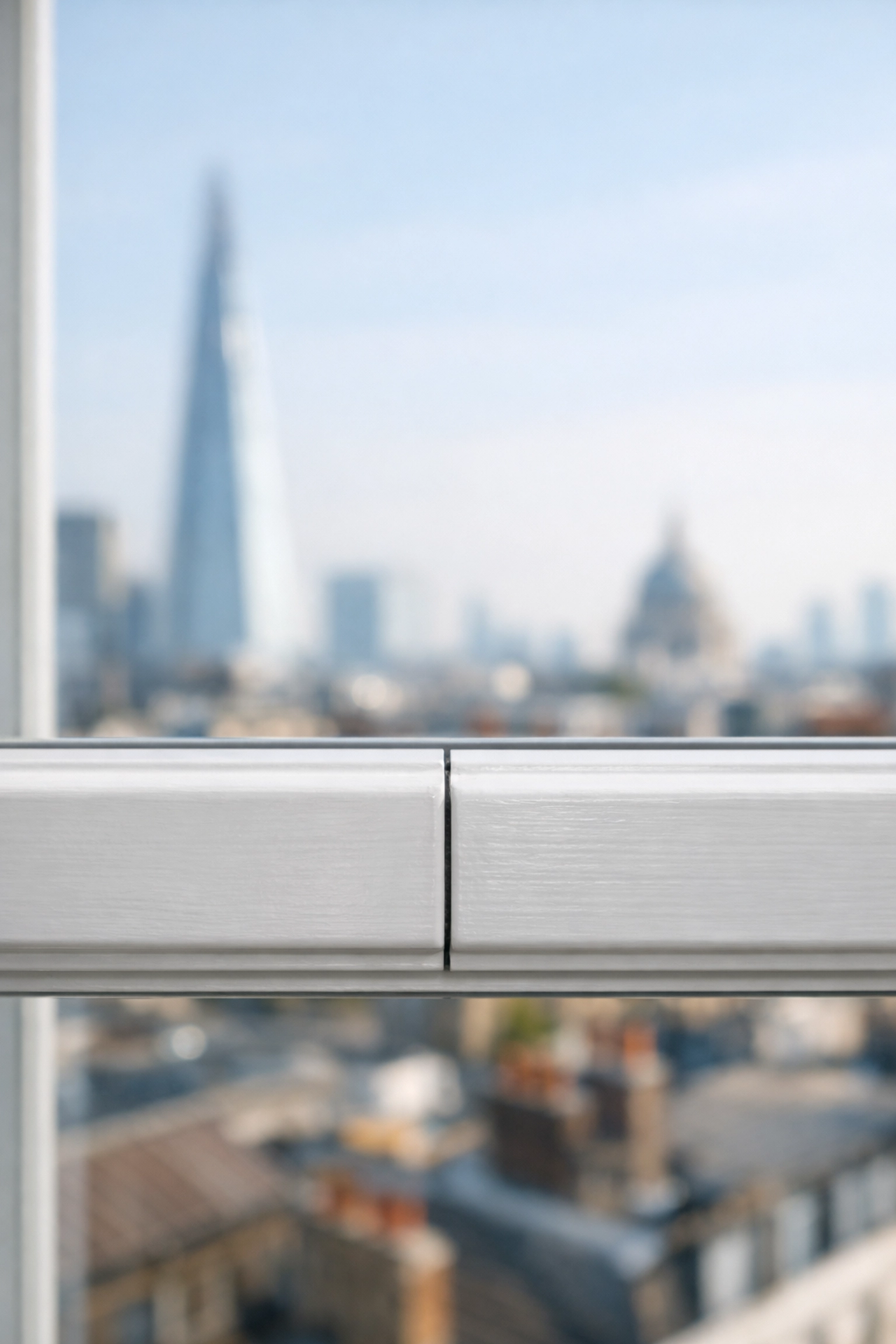
At Secondary Glazing Specialist, we use ultra-slim aluminium frames that are designed to align perfectly with your existing window's "sightlines." If you have a sash window, our secondary unit will have a horizontal bar in the exact same place.
We can also powder-coat the frames to match any RAL color. If your window frames are off-white, our frames will be off-white. When done correctly, you shouldn't even notice it's there—and neither will the people walking past your house on the street.
Key Benefits for the London Homeowner
1. Acoustic Insulation (The "London Quiet")
Let's face it, London is loud. Whether it's the 3 AM sirens or the rumble of the Tube, single-pane glass does nothing to stop the noise. By installing secondary glazing with specialized acoustic glass, we can reduce external noise by up to 80%. It's the difference between hearing a conversation on the street and total silence.
2. Eliminating Drafts and Rattles
Old sash windows are notorious for rattling when the wind blows. Because secondary glazing creates a physical seal over the window opening, it kills those drafts instantly. No more sitting on the sofa with a blanket just because you're near a window.
3. Solving Condensation
Condensation is the enemy of heritage homes. It leads to mold, dampness, and rotten timber frames. Secondary glazing creates a thermal barrier that stops the warm, moist air inside your home from hitting the cold glass of the outer window, significantly reducing the "crying window" effect.

How to Get Started
If you're living in a London conservation area, don't let the Article 4 Directions scare you into staying cold. Here is our recommended path:
- Check Your Status: Visit your local council's website (e.g., Camden, Westminster, or Southwark) to see if your street has an Article 4 Direction.
- Consult the Experts: As London-based installers, we know the local quirks. We can advise you on what will pass inspection and what won't.
- Request a Survey: We'll come out, look at your original windows, and design a secondary system that mirrors your home's character.
Why Choose Us?
We aren't just window installers; we are specialists in heritage properties. We understand the delicate balance between wanting a modern, comfortable home and respecting the architectural history of London.
Our team handles everything from the initial survey to the final installation, ensuring that your secondary glazing is discrete, effective, and compliant with all local regulations. We've helped hundreds of homeowners across London—from the Georgian terraces of Islington to the period conversions of Clapham—turn their drafty houses into cozy homes.

Summary
Living in a conservation area shouldn't mean you have to sacrifice comfort. While Article 4 Directions make traditional double glazing a nightmare to install, secondary glazing offers a smarter, faster, and often more effective alternative.
You get the warmth, you get the silence, and you get to keep the beautiful heritage windows that made you fall in love with your home in the first place.
Ready to upgrade your London home? Get in touch with the team at Secondary Glazing Specialist today for a casual chat about your project. Let's beat the drafts together.
Sources & ReferencesAI-verified
Authoritative sources supporting the information in this article.
- Ministry of Housing, Communities & Local Government (2023). National Planning Policy Framework (NPPF): Conserving and enhancing the historic environment. HM Government - Planning Practice Guidance.Open source
Provides the legal framework for Article 4 directions which restrict permitted development rights in London's conservation areas.
- British Standards Institution (BSI) (2017). Thermal performance of windows, doors and shutters — Calculation of thermal transmittance — Part 1: General. BS EN ISO 10077-1:2017.Open source
The definitive British Standard for thermal performance, essential for justifying secondary glazing as a non-intrusive thermal upgrade.
- Historic England (2016). Energy Efficiency and Historic Buildings: Secondary Glazing for Windows. Historic England Advice Note.Open source
The primary guidance on how to improve energy efficiency in heritage buildings without damaging the character of traditional windows.
- British Standards Institution (BSI) (2014). Guidance on sound insulation and noise reduction for buildings. BS 8233:2014.Open source
Establishes the benchmarks for acoustic insulation, crucial for London homeowners seeking secondary glazing for noise reduction.
- Saint-Gobain / Glass and Glazing Federation (GGF) (2021). The Glass and Glazing Federation Good Practice Guide: Secondary Glazing. GGF Technical Datasheets.Open source
Provides scientific data on how secondary glazing air gaps contribute to decibel reduction and thermal insulation.
"Brilliant installation — completely invisible from outside. Conservation officer approved."
— David L., Westminster
Planning a project?
Get an instant estimate with our Secondary Glazing Cost Calculator or Book a Professional Sound Survey.
Related services & guides
Move beyond the blog: jump straight to the matching service pages, cost tools and technical guides that go deeper on this topic.
- Specialist acoustic glazing service
The full acoustic glazing menu with dB targets and pricing.
- Transparent London secondary glazing pricing
Fixed 2026 prices per window with no hidden extras.
- ROI & payback calculator
Instant estimate for your window count, glass spec and property type.
- Request a free bespoke quote
Same-week written quote based on your exact requirements.
Related Articles

How to Choose the Best Secondary Glazing for Sash Windows (Compared)
Secondary Glazing Cost London 2026: Real Prices by Property Type (Calculator)