Condensation on Period Windows: Why Secondary Glazing Stops the Rot

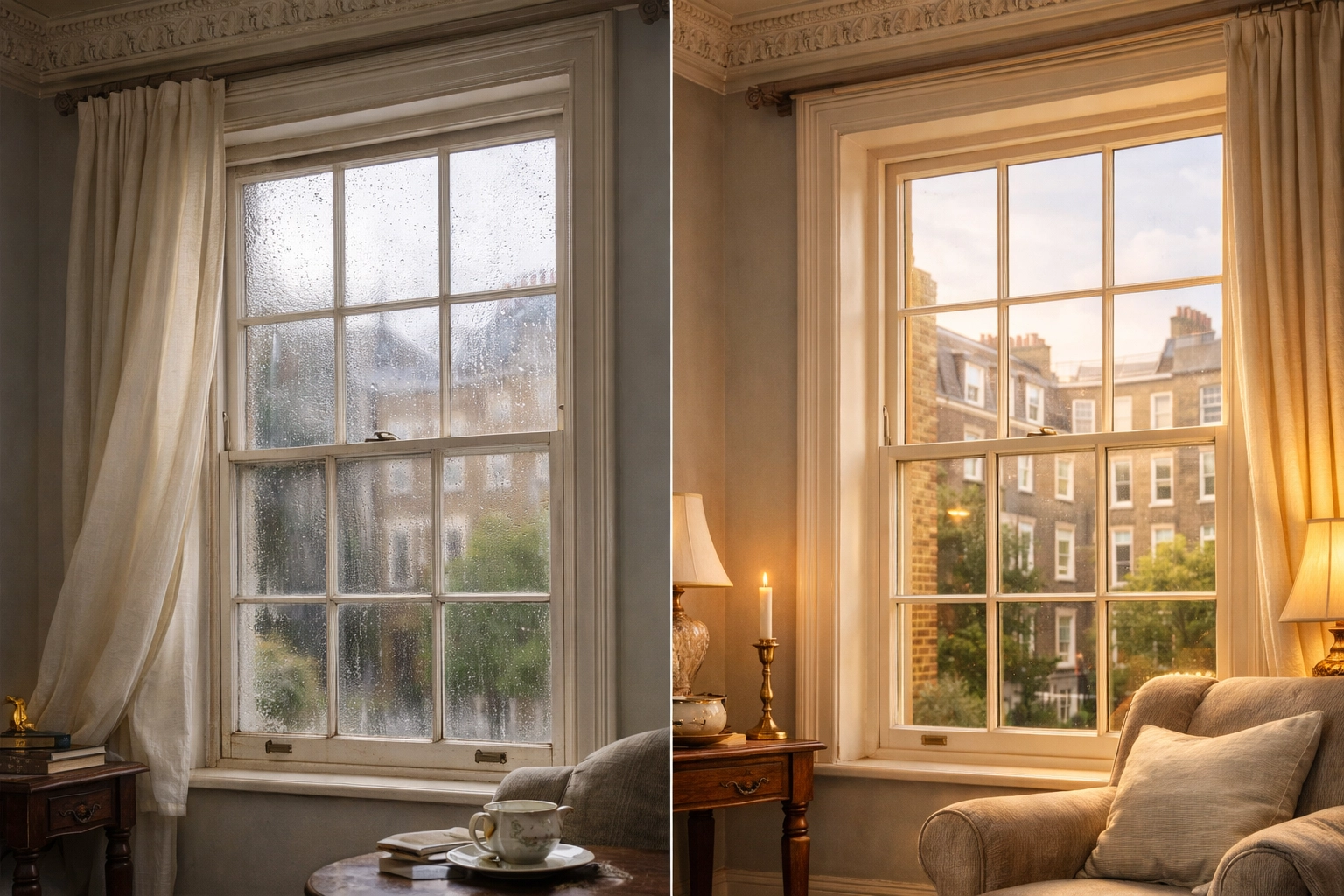
If you live in a Victorian terrace, a Georgian townhouse, or a charming Edwardian semi, you know the morning routine all too well. It's a chilly Tuesday in March, you pull back the curtains, and there it is: a thick layer of mist and water droplets clinging to your beautiful original sash windows. You grab a towel, wipe it down, and hope the wood isn't starting to soften.
By the time you've finished your coffee, you're already worrying about the black spots appearing in the corners of the room. This isn't just a minor annoyance; it's a sign that your home is struggling. Condensation is the silent enemy of the period home, but the "modern" solution — ripping out your windows for plastic double glazing — often feels like a crime against heritage.
At Secondary Glazing Specialist, we spend our days helping homeowners solve this exact puzzle. You want a warm, dry home, but you also want to keep those stunning original features. Let's dive into why this happens and how secondary glazing is the secret weapon you've been looking for.
Why Period Homes Are "Condensation Magnets"
To fix the problem, we have to understand the science, but don't worry, we'll keep it simple. Condensation happens when warm, moisture-laden air hits a cold surface. In a period home, that cold surface is almost always your single-pane glass.
Original windows in the 1800s and early 1900s were never designed for the way we live today. We have central heating, we take long hot showers, and we boil kettles constantly. All that moisture stays trapped inside because we've also (rightly) tried to block up the drafty old chimneys and floorboards. When that warm internal air hits a single pane of glass that is freezing from the outside air, it reaches its "dew point" and turns into liquid.
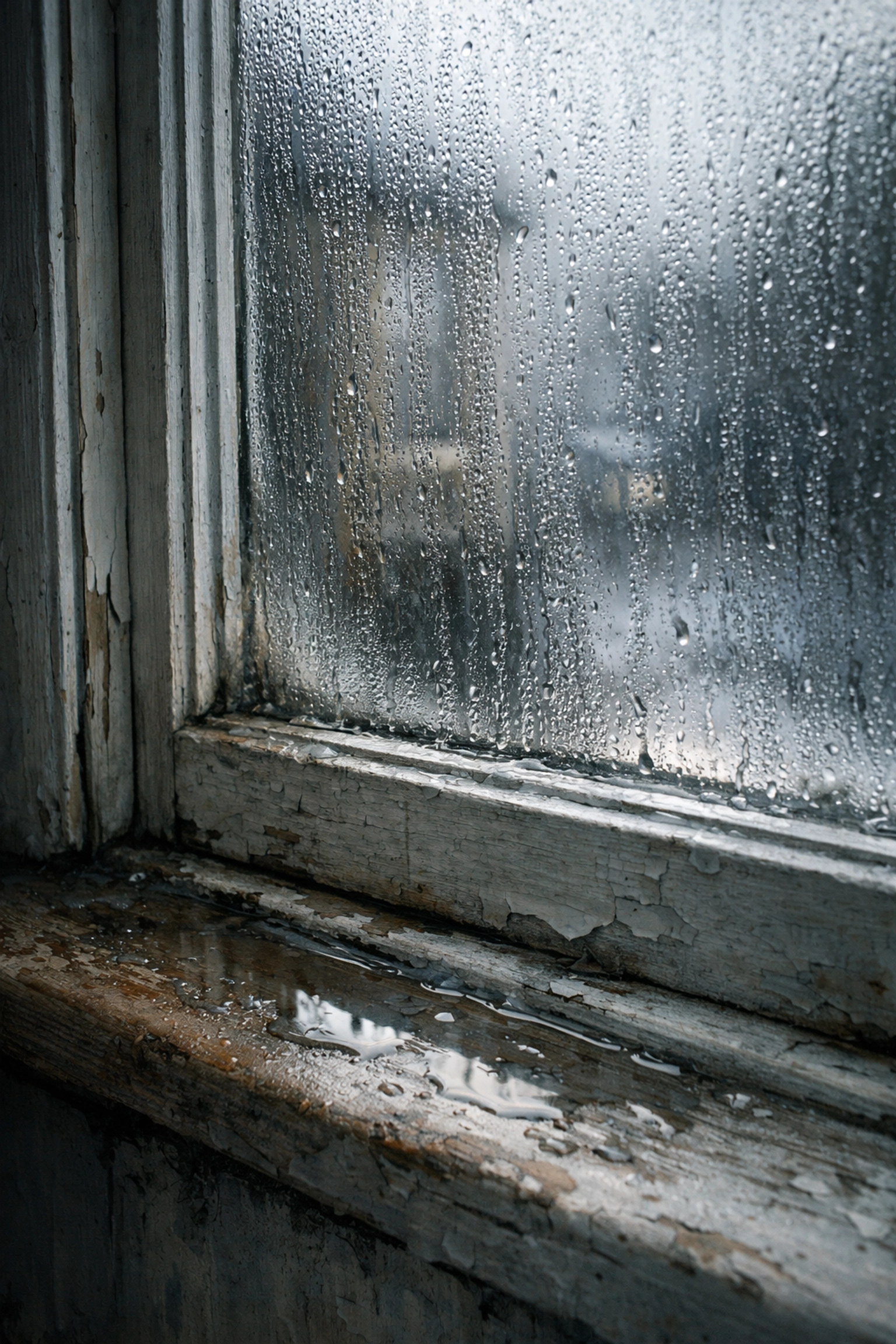
In many ways, your original windows act like a dehumidifier, but instead of the water going into a tank, it sits on your timber frames. This is where the trouble starts.
The Damage You Can't Ignore
🏛️ Living in a listed building or conservation area?
See how we navigate planning permission and protect your heritage windows. Read our conservation area guide →
Many people think condensation is just "a bit of water." Unfortunately, in an old house, it's a catalyst for a whole host of expensive problems.
1. Timber Rot
Most period windows are made from slow-grown Baltic pine or oak. They are incredibly hardy, but they aren't invincible. When water pools at the bottom of the sash or on the sill day after day, it seeps into the joints. This leads to wet rot, which softens the wood, eventually making the windows impossible to open or close properly.
2. Mold and Mildew
Black mold loves two things: moisture and stagnant air. If your windows are constantly wet, the surrounding plasterwork becomes damp too. Before you know it, you've got spores growing on your curtains and in the corners of your walls. This isn't just unsightly; it's a genuine health risk, particularly if you have family members with asthma or allergies.
3. Structural Decay
Research shows that damp walls can increase heat loss by as much as 20% to 38%. When your walls and window reveals stay damp because of constant condensation, your home becomes much harder (and more expensive) to heat. Over decades, this moisture can even start to affect the structural integrity of the masonry around the window.
Why Double Glazing Often Isn't the Answer
When the damp gets too much, many homeowners think their only option is double glazing. But if you live in a listed building or a conservation area, you've likely already hit a brick wall.
Local councils are — quite rightly — very protective of original sash windows. Replacing them with uPVC or even modern timber double glazing usually requires planning permission that is often denied. Even if you aren't in a restricted area, double glazing can be a massive investment that changes the "face" of your home.
Furthermore, double glazing in an old house can sometimes make the condensation worse on the walls. By sealing the windows perfectly but not addressing the breathability of the rest of the structure, you trap moisture inside, which then migrates to the coldest parts of the walls.
The Secondary Glazing Solution: A Thermal Barrier
This is where secondary glazing shines. Instead of replacing your windows, we install a discreet, high-performance internal pane. This creates a "thermal break" that changes the temperature dynamics of your window entirely.
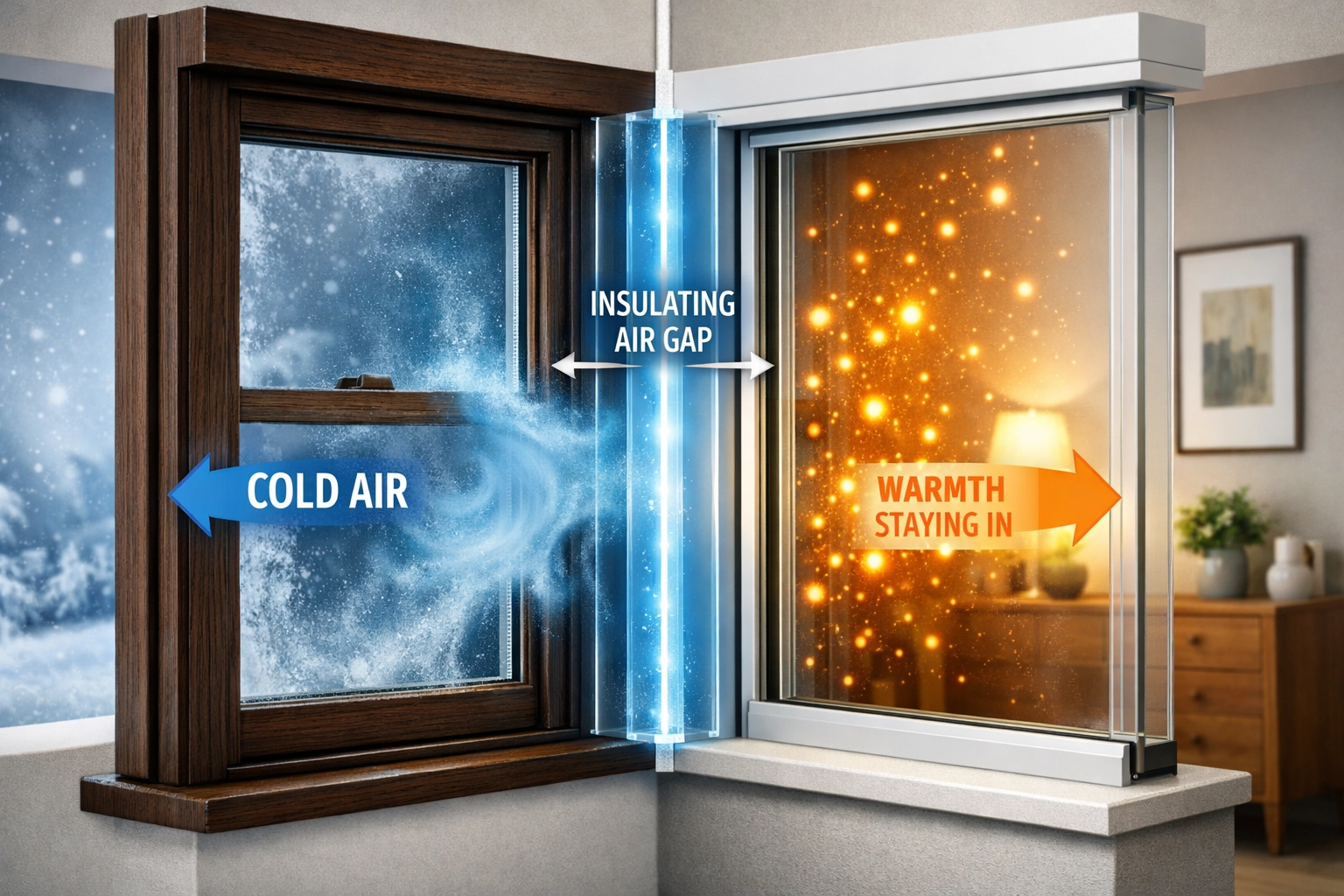
By adding that second layer of glass, the original outer pane stays cold, but the new inner pane stays much closer to the room temperature. Because the air inside the room is hitting a warmer surface, the dew point isn't reached, and condensation is dramatically reduced — often eliminated entirely.
It's All About the Gap
Unlike double glazing, which has a tiny 16-20mm gap between panes, secondary glazing usually features a much larger air gap (often 100mm or more). This large pocket of air acts as a powerful insulator. It keeps the heat in and the cold out, meaning you aren't just saving your windows from rot; you're also slashing your energy bills.
A Bonus Benefit: Peace and Quiet
💷 Wondering about costs?
Use our calculator to get an instant estimate for your windows. Try the cost calculator →
While most people come to us to stop the damp, they stay for the silence. If you live on a busy London street or near a main road, you'll know that original sash windows are terrible at blocking out noise.
When we install secondary glazing to tackle condensation, we can also use 10.8mm acoustic glass. This is a heavy-duty, laminated glass specifically designed to disrupt sound waves. When combined with the large air gap we mentioned earlier, it can reduce external noise by up to 80%. Imagine waking up to a dry window sill and the sound of... nothing. No buses, no sirens, just peace.
You can read more about the cost of secondary glazing for sash windows and acoustic upgrades here.
Preserving "Breathability"
One of the biggest mistakes people make with period homes is trying to seal them up like a modern Tupperware box. Old houses need to breathe. Historically, moisture escaped through porous lime mortar, open chimneys, and even the slight gaps in floorboards.
Secondary glazing is a "sympathetic" upgrade. It protects the window from the inside while allowing the original timber to exist in its natural environment. We often recommend including trickle vents in the secondary units or ensuring that you still use the original windows' natural ventilation during the day.

If you're dealing with a listed property, this approach is almost always preferred by conservation officers. You're protecting the fabric of the building without removing a single piece of original 19th-century history. For more on this, check out our guide to secondary glazing for listed buildings.
Quick Tips to Reduce Condensation Today
While you're considering an upgrade, here are a few things you can do right now to help your windows:
- Wipe them down: Every morning, use a microfibre cloth to remove the water. It's a pain, but it stops the water from soaking into the timber joints.
- Manage your humidity: Use extractor fans in the kitchen and bathroom religiously. If you're drying clothes indoors, use a dehumidifier.
- Don't block air bricks: Make sure any external ventilation points are clear of debris or plants.
- Check your gutters: Sometimes "internal" damp is actually caused by a leaking gutter soaking the external wall, making it even colder and more prone to condensation.
Is it Time to Save Your Windows?
Condensation isn't just "the way it is" in an old house. It's a sign that your home is out of balance. By installing secondary glazing, you're adding a protective shield that preserves your heritage windows, makes your home warmer, and stops the rot before it requires a five-figure restoration bill.
If you're tired of the damp and want to see how secondary glazing could work in your home, we're here to help. Whether you're looking for basic thermal improvement or the ultimate 10.8mm acoustic silence, we can design a solution that fits your sash windows perfectly.
Don't let another winter do more damage to your home's character. Let's get those windows dry, quiet, and beautiful again.
Sources & ReferencesAI-verified
Authoritative sources supporting the information in this article.
- British Standards Institution (2021). Management of moisture in buildings. Code of practice. BS 5250:2021+A1:2024.Open source
This is the primary British Standard for assessing risk and managing condensation and surface mould in buildings, crucial for understanding period property moisture issues.
- Historic England (2016). Energy Efficiency and Historic Buildings: Secondary glazing for windows. Historic England Guidance Note.Open source
This guidance explains how secondary glazing improves thermal performance while preserving the fabric and aesthetics of historic windows, specifically addressing condensation management.
- Department for Levelling Up, Housing and Communities (2021). Approved Document L, Volume 1: Dwellings (2021 edition incorporating 2023 amendments). Building Regulations 2010.Open source
Standardizes the thermal performance requirements for dwellings in the UK, providing the 'U-value' benchmarks that secondary glazing helps period windows achieve.
- Saint-Gobain / Glass and Glazing Federation (2020). The Condensation Companion: A Guide to the Causes and Reduction of Condensation. GGF Technical Publication 4.10.Open source
Provides technical data on how adding a second pane of glass creates an insulating air buffer that raises the internal glass temperature, effectively eliminating the dew point.
- British Standards Institution (2020). Acoustics. Rating of sound insulation in buildings and of building elements. Airborne sound insulation. BS EN ISO 717-1:2020.Open source
The definitive standard for acoustic performance, validating how the air gap in secondary glazing significantly reduces external noise ingress compared to single glazing.
"Brilliant installation — completely invisible from outside. Conservation officer approved."
— David L., Westminster
Planning a project?
Get an instant estimate with our Secondary Glazing Cost Calculator or Book a Professional Sound Survey.
Related services & guides
Move beyond the blog: jump straight to the matching service pages, cost tools and technical guides that go deeper on this topic.
- Specialist acoustic glazing service
The full acoustic glazing menu with dB targets and pricing.
- Transparent London secondary glazing pricing
Fixed 2026 prices per window with no hidden extras.
- ROI & payback calculator
Instant estimate for your window count, glass spec and property type.
- Request a free bespoke quote
Same-week written quote based on your exact requirements.
Related Articles

How to Choose the Best Secondary Glazing for Sash Windows (Compared)
Secondary Glazing Cost London 2026: Real Prices by Property Type (Calculator)