How to Choose the Best Secondary Glazing Installers: Checklist
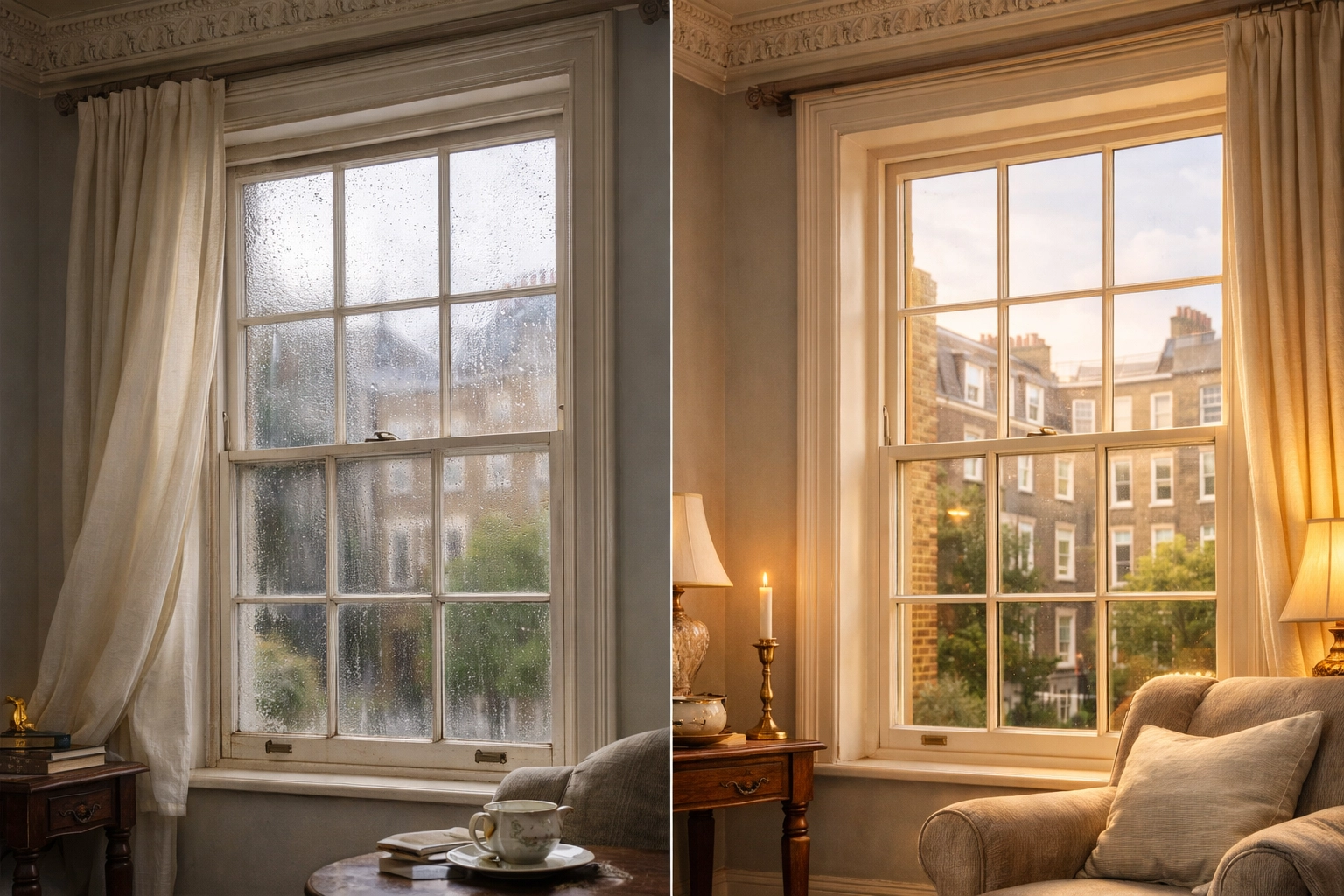
So, you've decided that your home needs a bit of a performance boost. Maybe the drafts are making your living room feel like a wind tunnel, or perhaps the sound of the 7:30 AM bus is starting to feel like it's driving right through your bedroom. You know that secondary glazing is the answer, but now comes the tricky part: finding the right people to actually put it in.
Choosing between various secondary glazing installers can feel a bit like a minefield. Everyone claims to be the best, the cheapest, or the fastest. But when you're dealing with period properties, listed building restrictions, or high-decibel London street noise, "fast and cheap" usually ends up being "expensive and frustrating."
In this guide, we're going to cut through the fluff. Here is your no-nonsense checklist for finding installers who actually know their stuff.
1. Do They Understand the "Listed Building" Headache?
If you live in a heritage property or a conservation area, this is your number one priority. You can't just slap any old frame onto a 200-year-old window. If an installer tells you "it'll be fine, nobody will notice," run for the hills.
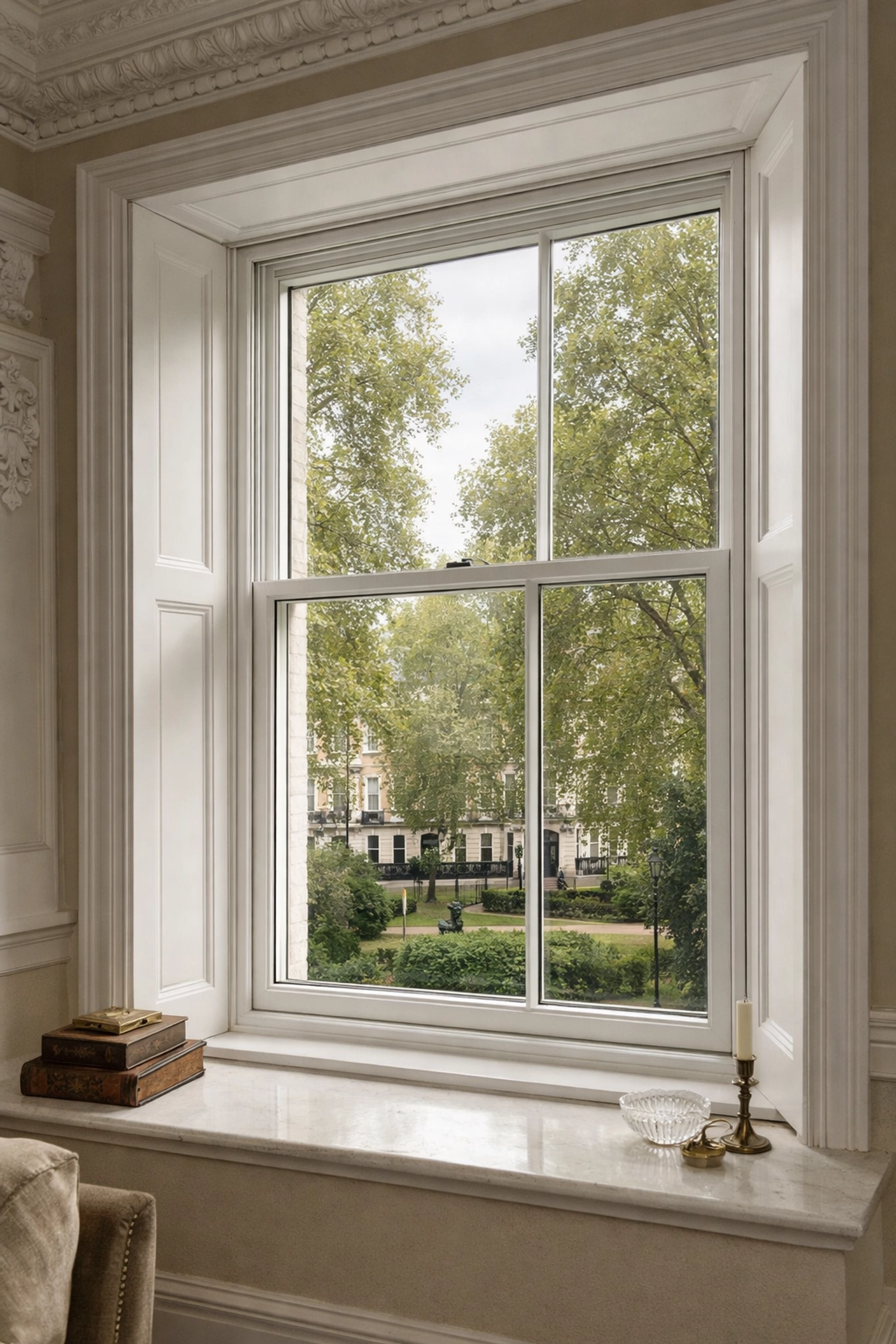
Professional secondary glazing installers should be intimately familiar with the requirements of local planning authorities. They should know that secondary glazing is usually the preferred option for listed buildings because it's "reversible": meaning it doesn't change the fabric of the original window.
Before you sign anything, check if they have experience working within the guidelines set by Historic England. A good installer won't just fit the glass; they'll ensure the frames are discreet and colour-matched to your existing woodwork so the Planning Officer stays happy.
For a deeper dive into this, check out our Secondary Glazing for Listed Buildings guide.
2. Can They Handle 10.8mm Acoustic Glass?
🏛️ Living in a listed building or conservation area?
See how we navigate planning permission and protect your heritage windows. Read our conservation area guide →
Standard secondary glazing usually uses 4mm or 6mm glass. That's fine for keeping out a bit of a breeze, but if you're living in a noisy city environment, it's not going to cut it.
The "gold standard" for soundproofing is 10.8mm acoustic laminate glass. This stuff is heavy, thick, and requires a specific type of frame to support it. If you ask an installer about acoustic laminate and they look at you blankly — or try to talk you out of it because "6mm is basically the same" — keep looking.
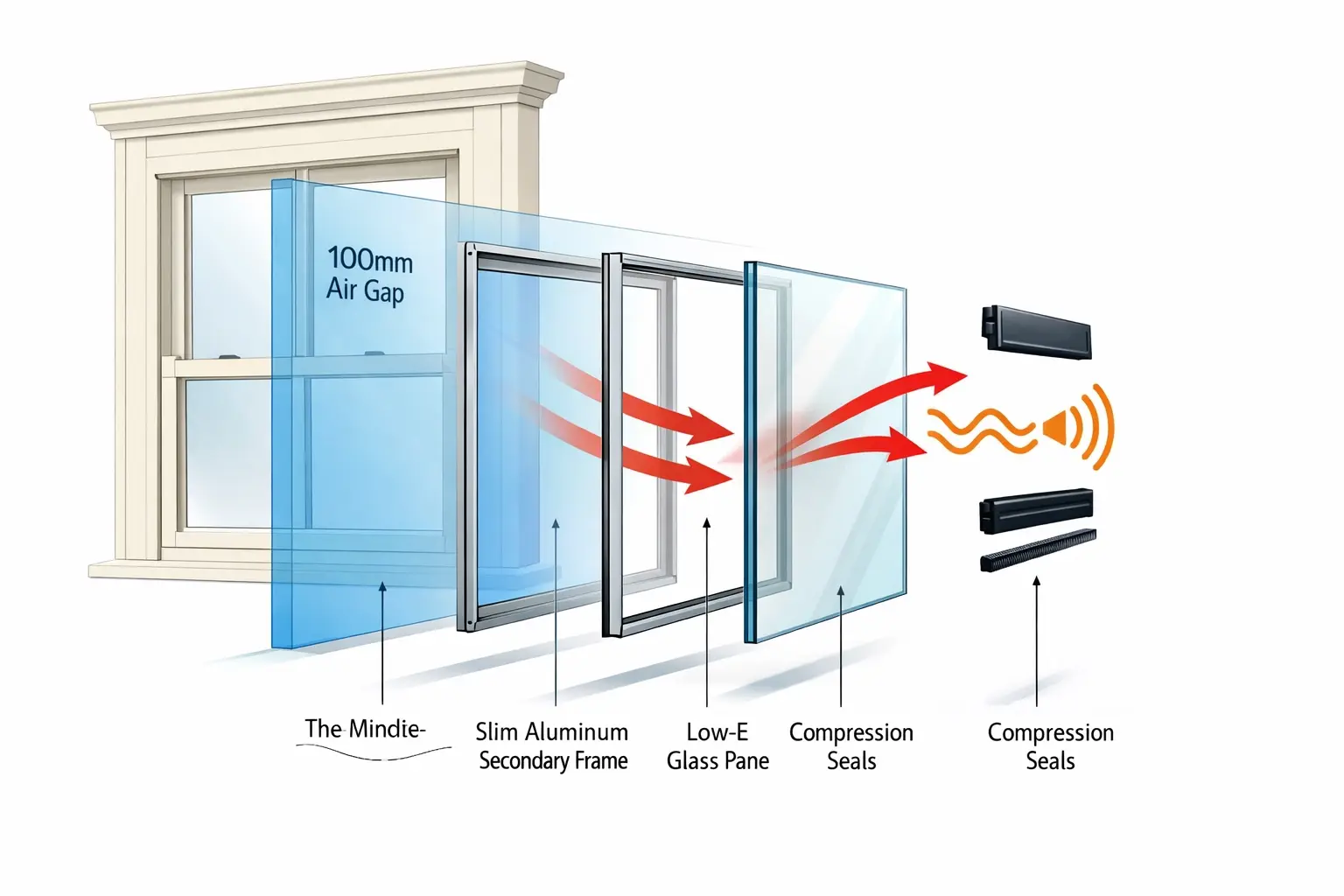
Top-tier installers will explain how the air gap between your existing window and the secondary pane works in tandem with the 10.8mm glass to kill noise. If you want to know exactly why this specific glass is a game-changer, have a read of our post on 10.8mm Acoustic Glass.
3. Are They Masters of the Sash Window?
Sash windows are beautiful, but they are a nightmare if handled incorrectly. They have weights, pulleys, and specific movement patterns.
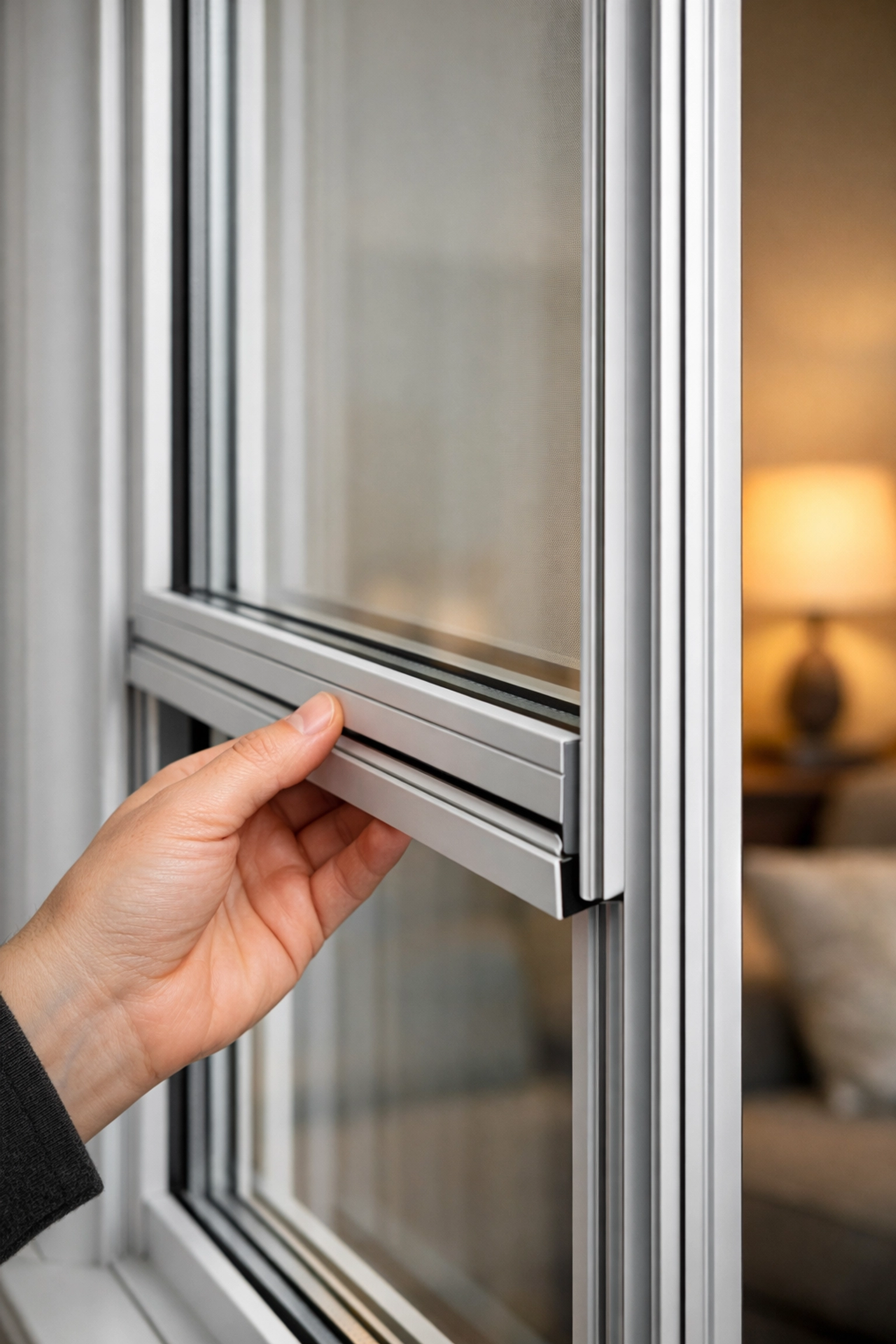
When interviewing secondary glazing installers, ask them how they handle sash windows. You want a solution that mimics the function of the original window. This usually means "Vertical Sliders" that align perfectly with your existing meeting rails.
A "cowboy" installer might try to sell you a fixed panel that blocks your access to the window entirely. Unless you never want to open your window again, that's a terrible idea. You need an installer who can provide custom sash solutions that are as functional as they are discreet.
4. The "London Factor": Do They Know Your Area?
This might sound specific, but local knowledge matters. A London-based installer understands that "noise" isn't just a generic term; it's the specific frequency of a Tube train under your floor or the low-frequency rumble of a red double-decker bus idling outside your front door.
Secondary glazing installers who work primarily in London understand the logistical nightmare of "Red Routes," parking permits, and the specific architecture of Victorian and Georgian terraces. They know how to get the materials in and the job done without causing a neighborhood stir.
5. The Survey: Is It a Sales Pitch or a Technical Assessment?
💷 Wondering about costs?
Use our calculator to get an instant estimate for your windows. Try the cost calculator →
Watch out for the "One-Call Close." If an installer turns up, spends five minutes looking at your windows, and then spends forty minutes trying to get you to sign a contract "today only for a 20% discount," they aren't a specialist — they're a salesman.
A proper survey should involve:
- Laser Measurements: Precision is everything. If the frame is 2mm off, you'll get a draft, and the soundproofing will fail.
- Depth Checks: They need to check if your window reveal is deep enough for the air gap (usually 100mm–150mm is the sweet spot for noise).
- Structural Integrity: Checking if your existing sills can handle the weight of heavy acoustic glass.
6. Customisation and Aesthetics
Secondary glazing shouldn't look like an afterthought. It shouldn't look like you've screwed a piece of plastic to your wall.
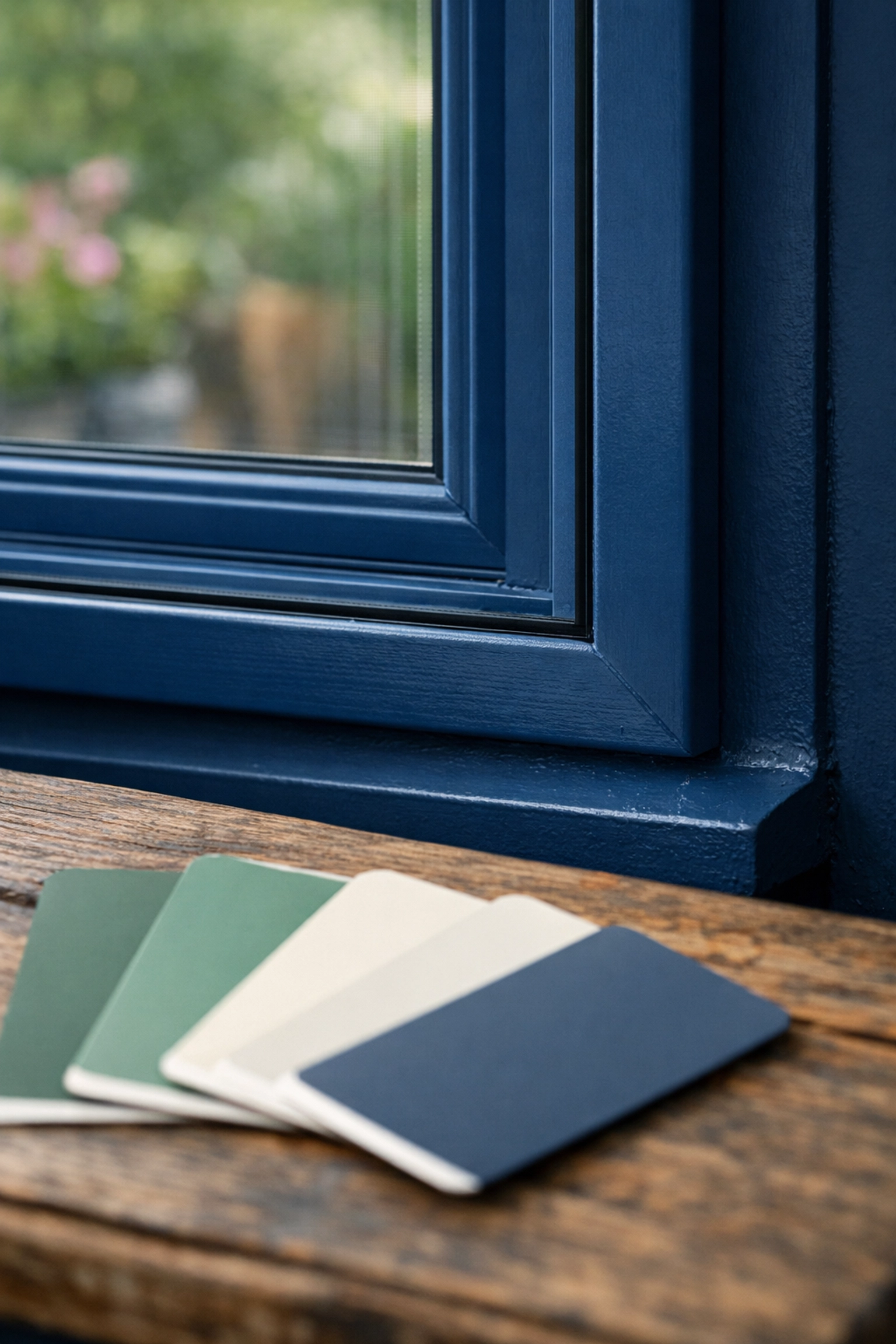
Ask to see photos of their previous work — specifically the "slimline" frames. The best secondary glazing installers offer a massive range of RAL colours. If your windows are an off-white or a specific heritage "Farrow & Ball" shade, your installer should be able to match the frames so they practically disappear when installed.
7. After-Sales and Guarantees
What happens if a sliding panel gets stuck six months down the line? Or if the seal on your acoustic glass fails?
A reputable installer will offer a solid guarantee — usually 5 to 10 years on the frames and at least a few years on the glass units. Check their reviews on independent platforms. Don't just look at the 5-star ratings; look at how they handled the 1-star complaints. If they went back and fixed the issue, that's a good sign.
Your Final Checklist for Secondary Glazing Installers
Before you hand over a deposit, run through this list one last time:
- Do they have a physical showroom or address? (Avoid "man-with-a-van" operations for complex period work).
- Can they provide 10.8mm acoustic laminate? (Don't settle for "standard" if you need silence).
- Do they offer custom RAL colour matching? (Essential for listed buildings).
- Is the quote "all-in"? (Watch out for hidden costs like parking, waste removal, or VAT).
- What's the lead time? (Quality custom frames usually take 4-8 weeks; anyone promising it in 3 days might be using "off-the-shelf" kits that won't fit your wonky Victorian windows).
Why This Choice Matters
At the end of the day, secondary glazing is an investment in your sanity and your energy bills. Choosing the wrong secondary glazing installers means you'll end up with windows that rattle, frames that stand out like a sore thumb, and noise that still keeps you up at night.
Take your time. Ask the awkward questions. Ensure they understand the specific needs of your property, whether it's a drafty sash in Chelsea or a listed townhouse in Westminster.
If you're ready to stop the drafts and start the quiet, make sure the people behind the drill know exactly what they're doing.
Looking for more advice on making your home more efficient? Check out our guides on Planning Permission for Listed Buildings and why Acoustic Glass is the best choice for London homes.
Sources & ReferencesAI-verified
Authoritative sources supporting the information in this article.
- British Standards Institution (BSI) (2016). Windows and doors. Code of practice for the survey and installation of windows and external doorsets. BS 8213-4:2016.Open source
This is the primary code of practice in the UK for installing glass and secondary glazing, ensuring safety and quality in workmanship.
- Historic England (2016). Secondary Glazing for Historic Windows. Historic England Guidance Note.Open source
Crucial for installers working on heritage properties; it provides the technical standard for improving energy efficiency without damaging original fabric.
- Department for Levelling Up, Housing and Communities (2021). The Building Regulations: Approved Document L, Volume 1: Dwellings. HM Government Planning Portal.Open source
Installers must comply with these regulations regarding heat loss (U-values) and ventilation when adding secondary glazing.
- British Standards Institution (BSI) (2021). Acoustics. Laboratory measurement of sound insulation of building elements. Measurement of airborne sound insulation. BS EN ISO 10140-2:2021.Open source
Defines the testing methods for sound insulation, providing the scientific basis for checking an installer's acoustic performance claims.
- Glass and Glazing Federation (GGF) (2022). The GGF Guide to Secondary Glazing. GGF Technical Publication.Open source
The leading UK trade body; their technical manuals are the industry benchmark for consumer protection and installer competency.
"Brilliant installation — completely invisible from outside. Conservation officer approved."
— David L., Westminster
Planning a project?
Get an instant estimate with our Secondary Glazing Cost Calculator or Book a Professional Sound Survey.
Related services & guides
Move beyond the blog: jump straight to the matching service pages, cost tools and technical guides that go deeper on this topic.
- Specialist acoustic glazing service
The full acoustic glazing menu with dB targets and pricing.
- Transparent London secondary glazing pricing
Fixed 2026 prices per window with no hidden extras.
- ROI & payback calculator
Instant estimate for your window count, glass spec and property type.
- Request a free bespoke quote
Same-week written quote based on your exact requirements.
Related Articles

How to Choose the Best Secondary Glazing for Sash Windows (Compared)
Secondary Glazing Cost London 2026: Real Prices by Property Type (Calculator)