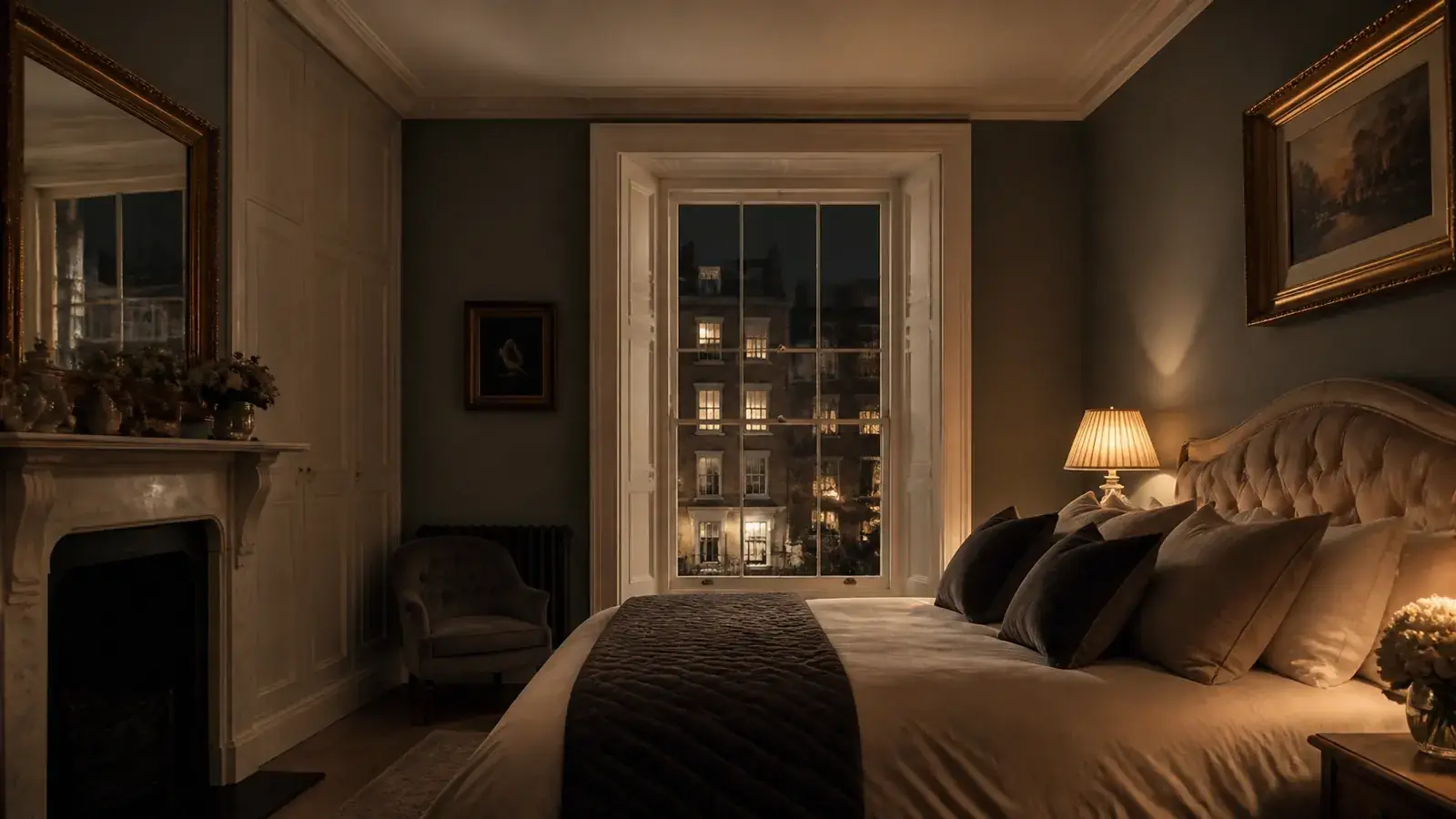
Noise Pollution in London: What Living With Traffic Noise Does to Your Health
Noise pollution is the second-worst environmental stressor in Europe after air pollution, according to the European Environment Agency, and London's dense road network, railways and flight paths mean millions of residents live with levels above health-based guidance. This article explains what that exposure actually does to the body, which guideline levels matter, and what you can do inside your own home.
What counts as noise pollution?
Noise pollution is unwanted or harmful sound from sources outside your control: road traffic, railways, aircraft, construction and nightlife. In London the dominant source for most households is road traffic, followed by rail and, in the west and south-east, aircraft.
What makes it a health issue rather than a nuisance is chronic exposure. A single loud lorry is annoying; the same lorry every few minutes, day and night, keeps the body's stress response slightly activated even when you feel you have stopped noticing it.
The health effects of long-term noise exposure
🏛️ Living in a listed building or conservation area?
See how we navigate planning permission and protect your heritage windows. Read our conservation area guide →
Sleep disturbance
Night-time noise is the best-evidenced harm. The World Health Organization recommends keeping indoor bedroom levels around 30 dB(A) at night for good sleep, and identifies outdoor night-time road-traffic noise above 45 dB Lnight as associated with adverse effects on sleep. Above these levels, people experience more awakenings, less deep and REM sleep, and next-day fatigue — even without fully waking.
Cardiovascular effects
Long-term exposure to road-traffic noise is associated in large cohort studies with increased risk of hypertension and ischaemic heart disease. The proposed mechanism is stress-hormone release and disturbed sleep raising blood pressure over years, not the loudness of any single event.
Concentration, mood and children
Daytime noise affects concentration and working memory, which is why home offices near main roads feel so draining. Studies around schools near airports and busy roads have linked chronic aircraft and traffic noise with slower reading development in children.
How loud is London, really?
Busy main-road façades in inner London commonly sit in the 70–80 dB(A) range during the day, and many bedrooms on those roads are in the high 30s to mid 40s at night with the windows closed — well above the WHO night-time guidance. Our borough-by-borough noise levels page sets out typical ranges across all 33 London boroughs.
What actually reduces indoor exposure?
Windows are almost always the weakest acoustic element of a London façade. Practical steps, in order of impact:
- Acoustic secondary glazing — a deep 100–200 mm air gap with laminated glass can reduce external noise by up to 54dB in suitable configurations, taking a 75 dB street down towards bedroom target levels.
- Sealing air paths — trickle vents, letterboxes and gaps around frames leak sound like water.
- Room choice and layout — moving bedrooms to the quiet side of the building where possible.
- Soft furnishings — these help internal echo but only marginally reduce external noise; they are a complement, not a fix.
If you want a figure for your own property, a free sound survey measures your façade and internal levels and sets a realistic target. You can also build an indicative noise profile online in a couple of minutes.
Frequently Asked Questions
Solutions covered in this guide
Go straight to the dedicated London landing page for the system or property type discussed above.
- Traffic noise secondary glazingSpecs matched to road-noise frequency profiles on London’s busiest streets.
- Quiet bedrooms with secondary glazingSleep-grade acoustic targets and the glass specs that reach them.
- Secondary glazing for sash windowsPurpose-built systems for London box sash windows — specs, prices and heritage detailing.
- Sliding secondary glazingHorizontal and vertical sliders for sash and casement windows — up to 51dB with full ventilation access.
Sources & References
Authoritative sources supporting the information in this article.
- British Standards Institution (BSI) (2014). Guidance on sound insulation and noise reduction for buildings. BS 8233:2014.Open source
The primary UK standard providing guidance on sound insulation and noise reduction for buildings, essential for determining acceptable indoor noise levels in residential properties.
- HM Government (Department for Levelling Up, Housing and Communities) (2015). Resistance to the passage of sound. Approved Document E.Open source
The legal building regulation in England that mandates requirements for noise protection, specifically how buildings must resist sound from external sources like traffic.
- World Health Organization (WHO) Europe (2018). Environmental Noise Guidelines for the European Region. WHO Regional Office for Europe.Open source
A critical scientific resource linking environmental noise (specifically road traffic) to adverse health outcomes like cardiovascular disease and sleep disturbance.
- Historic England (2017). Traditional Windows: Their Care, Repair and Upgrading. Historic England Guidance Note.Open source
The authoritative guide for improving the performance of heritage windows in London, detailing how secondary glazing can reduce noise while preserving historic character.
- London City Hall / Greater London Authority (2018). London Environment Strategy: Chapter 9 Ambient Noise. London Environment Strategy.Open source
Provides specific data on noise pollution levels across London boroughs and outlines the city-wide strategy for mitigating transport-related noise.
"Brilliant installation — completely invisible from outside. Conservation officer approved."
— David L., Westminster
Planning a project?
Get an instant estimate with our Secondary Glazing Cost Calculator or Book a Professional Sound Survey.
Related services & guides
Move beyond the blog: jump straight to the matching service pages, cost tools and technical guides that go deeper on this topic.
- Specialist acoustic glazing service
The full acoustic glazing menu with dB targets and pricing.
- Transparent London secondary glazing pricing
Fixed 2026 prices per window with no hidden extras.
- ROI & payback calculator
Instant estimate for your window count, glass spec and property type.
- Request a free bespoke quote
Same-week written quote based on your exact requirements.
Related Articles
Decibel Levels Explained: What dB Figures Mean for Your Hearing and Your Home
How Glazing Reduces Noise: Mass, Air Gaps and the Science of Quiet Windows