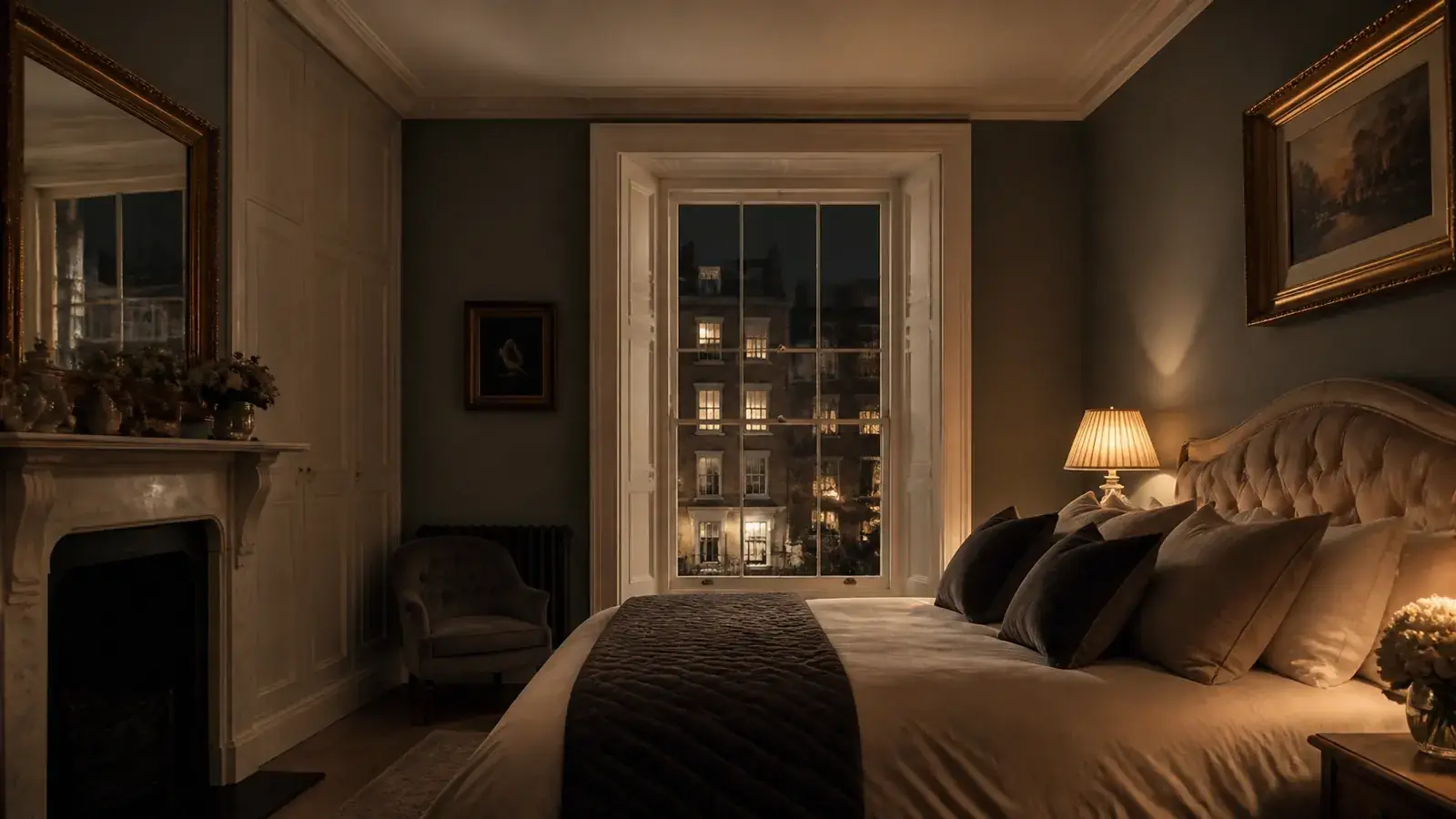
How Glazing Reduces Noise: Mass, Air Gaps and the Science of Quiet Windows
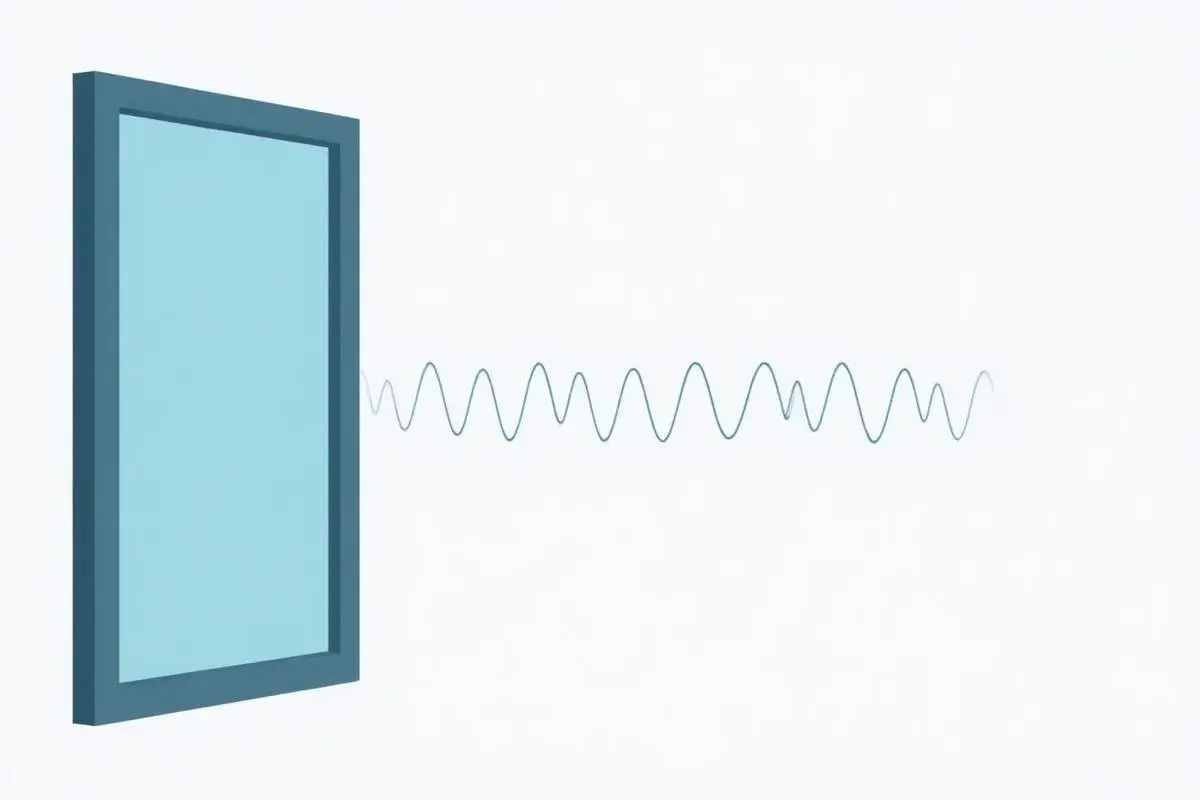
Every window lets sound through by the same basic physics — and every good acoustic window defeats it by the same four mechanisms. Understanding them explains why a deep secondary glazing system outperforms even expensive replacement double glazing for noise, and why the details of glass, gap and seals matter more than brand names.
How sound gets through a window
Sound reaches your room through a window in two ways. First, airborne transmission: sound waves strike the glass, the pane vibrates like a drum skin, and that vibration re-radiates as sound on the inside. Second, air leakage: sound travels directly through gaps around the frame, trickle vents and letterboxes. Any serious treatment has to address both.
Mechanism 1: Mass
🏛️ Living in a listed building or conservation area?
See how we navigate planning permission and protect your heritage windows. Read our conservation area guide →
Heavier materials are harder for sound to set vibrating. Doubling the mass of a barrier adds roughly 5–6 dB of insulation — which is why acoustic specifications use 6.4mm or 10.8mm glass rather than standard 4mm float.
Laminated acoustic glass goes further: two panes bonded with a soft PVB interlayer that converts vibration into tiny amounts of heat. This damping is especially valuable at the frequencies where glass naturally resonates.
Mechanism 2: The air gap
The cavity between two panes acts as a spring that absorbs sound energy. Depth is everything here:
- Standard double glazing (12–20mm): the narrow gap couples the two panes at low frequencies, so traffic rumble passes through relatively easily.
- Secondary glazing (100–200mm): the deep gap decouples the panes and absorbs the low-frequency energy that dominates road and rail noise.
This single difference is why secondary glazing routinely outperforms replacement double glazing by 10 dB or more against traffic noise — roughly half as loud again.
Mechanism 3: Decoupling and resonance
Two panes of identical thickness resonate at the same frequency and transmit sound efficiently at that frequency — the "coincidence dip". Using a different thickness for the secondary pane (for example 6.4mm against an original 4mm sash, or 10.8mm laminate) staggers the resonances so there is no weak frequency. A separately framed secondary window is also mechanically decoupled from the original, so vibration in the outer pane is not carried straight through the structure.
Mechanism 4: Seals
💷 Wondering about costs?
Use our calculator to get an instant estimate for your windows. Try the cost calculator →
Sound behaves like water and finds the smallest opening. A gap totalling just 1% of a window's area can halve the effective insulation. Compression seals around the secondary frame, plus attention to the original window's own gaps and vents, are what allow the glass and air gap to deliver their laboratory performance in a real room.
Putting it together
A well-specified system — 10.8mm acoustic laminate, a 100–150mm cavity, mismatched pane thicknesses and continuous compression seals — can reduce external noise by up to 54dB in suitable configurations. On a 75 dB main road that takes the room towards the low 20s: quieter than most libraries. Our noise FAQs answer the common follow-up questions, and a free sound survey will measure what your own windows are currently achieving.
Frequently Asked Questions
Solutions covered in this guide
Go straight to the dedicated London landing page for the system or property type discussed above.
- Secondary glazing for sash windowsPurpose-built systems for London box sash windows — specs, prices and heritage detailing.
- Sliding secondary glazingHorizontal and vertical sliders for sash and casement windows — up to 51dB with full ventilation access.
- Secondary glazing for listed buildingsFully reversible, consent-friendly specifications for Grade I and Grade II properties.
- Traffic noise secondary glazingSpecs matched to road-noise frequency profiles on London’s busiest streets.
Sources & References
Authoritative sources supporting the information in this article.
- British Standards Institution (BSI) (2020). Acoustics. Rating of sound insulation in buildings and of building elements. Airborne sound insulation. BS EN ISO 717-1:2020.Open source
The definitive UK standard for measuring and calculating the sound insulation performance of buildings and building elements, including glazing.
- HM Government (Department for Levelling Up, Housing and Communities) (2015). Approved Document E: Resistance to the passage of sound. Building Regulations 2010.Open source
The primary UK building regulation governing requirements for resistance to the passage of sound, essential for understanding legal noise reduction obligations.
- Glass and Glazing Federation (GGF) (2022). The Sound Insulation of Glazing. GGF Technical Data Sheet 4.6.Open source
A comprehensive technical guide from the UK's leading glazing authority explaining the physics of sound reduction, decibel ratings, and the impact of different glass thicknesses.
- Historic England (2017). Traditional Windows: Their Care, Repair and Upgrading. Historic England Technical Advice Note.Open source
Crucial guidance for heritage buildings, explaining how secondary glazing acts as a non-invasive solution for noise reduction while maintaining original building fabric.
- Carl Hopkins (2012). Sound Insulation: Theory and Practice. Routledge (Taylor & Francis Group).Open source
A leading academic textbook used in UK architectural engineering that explains the science of mass law, resonance, and the role of air gaps in sound transmission.
"The noise reduction is extraordinary. Our Victorian terrace is finally peaceful."
— James R., Islington
Planning a project?
Get an instant estimate with our Secondary Glazing Cost Calculator or Book a Professional Sound Survey.
Related services & guides
Move beyond the blog: jump straight to the matching service pages, cost tools and technical guides that go deeper on this topic.
- Specialist acoustic glazing service
The full acoustic glazing menu with dB targets and pricing.
- Transparent London secondary glazing pricing
Fixed 2026 prices per window with no hidden extras.
- ROI & payback calculator
Instant estimate for your window count, glass spec and property type.
- Request a free bespoke quote
Same-week written quote based on your exact requirements.
Related Articles
Noise Pollution in London: What Living With Traffic Noise Does to Your Health
Decibel Levels Explained: What dB Figures Mean for Your Hearing and Your Home