Clearview vs Specialist Acoustic Secondary Glazing: A London Comparison
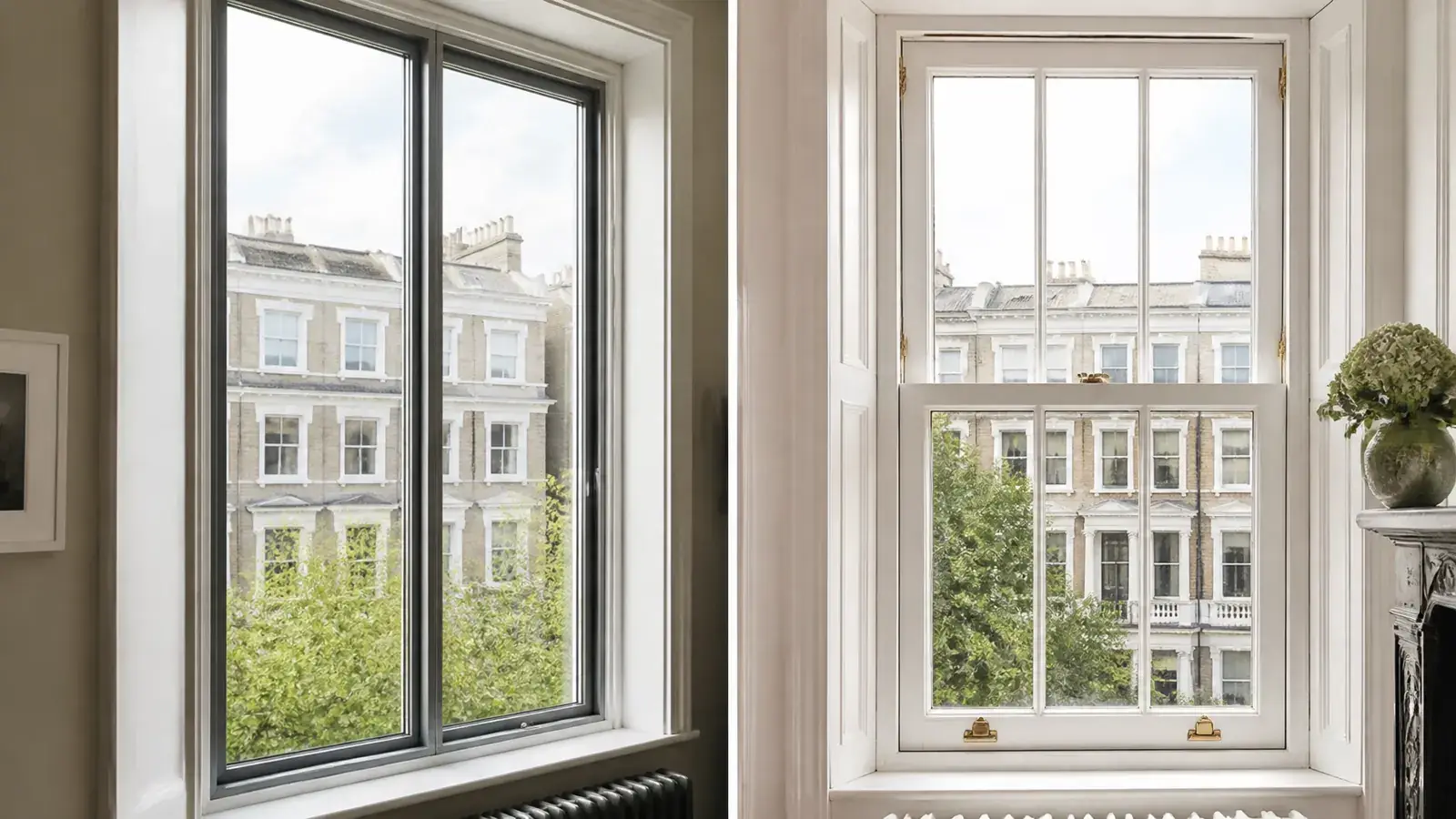
For owners of period homes in Kensington, Chelsea and Westminster, the choice of secondary glazing is rarely a like-for-like comparison. National providers such as Clearview Secondary Glazing serve a broad UK audience with budget-friendly, brush-sealed kits — while specialist London installers engineer hermetic acoustic systems designed for listed buildings and high-decibel urban noise. This guide breaks down the technical and economic differences so you can choose the right path for your property.
Section 1: Two Different Philosophies
Clearview's national catalogue focuses on accessible, DIY-friendly secondary glazing using 4mm float glass and brush-pile seals. It is engineered for general thermal comfort and moderate noise reduction across a wide range of property types nationwide.
By contrast, we operate as a dedicated acoustic secondary glazing specialist for London period properties. Every system is bespoke-engineered around three variables: glass mass, air-gap depth, and seal compression — calibrated for the specific noise profile of each street.
Section 2: Seals and the Acoustic Envelope
🏛️ Living in a listed building or conservation area?
See how we navigate planning permission and protect your heritage windows. Read our conservation area guide →
Sound is fluid; it will penetrate any gap in the structure, no matter how small. Clearview typically utilises brush-pile seals. While these are durable for general use, they are inherently "leaky" when it comes to high-frequency noise.
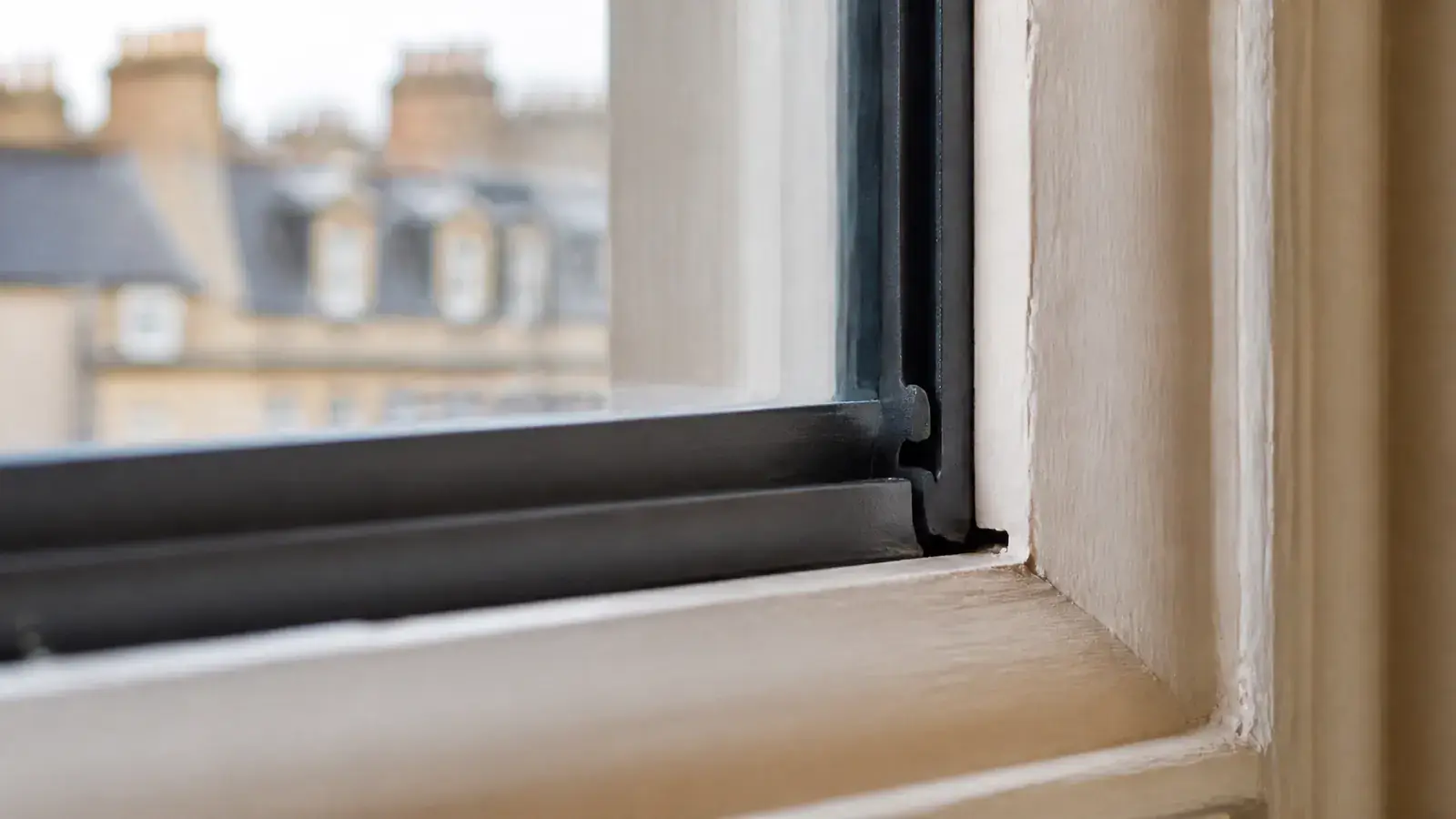
We utilise twin-compression EPDM (Ethylene Propylene Diene Monomer) seals. Unlike brush seals, EPDM seals compress when the window is closed to limit perimeter leakage and reduce "sound flanking" — where noise bypasses the glass through frame gaps.
| Property | Brush-pile seals (e.g. Clearview-style kits) | Twin-compression EPDM seals (specialist) |
|---|---|---|
| Compression mechanism | Bristles sweep against the frame; no real compression load. | Two rubber lips compress 30–50% on closing, applying continuous load against the frame. |
| Airtightness | Porous by design — air (and sound) passes between individual bristles. | Hermetic, continuous gasket line — effectively zero air leakage when closed. |
| High-frequency performance (1–4 kHz: sirens, brakes, voices) | Weak — small bristle gaps act as "mini waveguides" for high-frequency energy. | Excellent — sealed envelope blocks the highest-frequency content first. |
| Flanking risk (sound bypassing the glass via the frame) | High — flanking often caps real-world reduction at 20–28 dB regardless of glass spec. | Very low — perimeter seal lets the 10.8mm glass deliver its full 45–54 dB potential. |
| Durability & long-term seal | Bristles flatten and splay over 3–5 years, degrading the seal further. | UV- and ozone-resistant EPDM holds elastic compression for 20+ years. |
| Best-fit use case | Mild thermal draught-proofing, low-noise rural or suburban settings. | London period homes facing traffic, sirens, rail or flight-path noise. |
Even a 1% air-leakage path around a window can erase up to 10 dB of measured noise reduction — which is why seal technology, not just glass thickness, decides whether a system delivers true sanctuary-level silence.
2.1 The Precision Air Gap
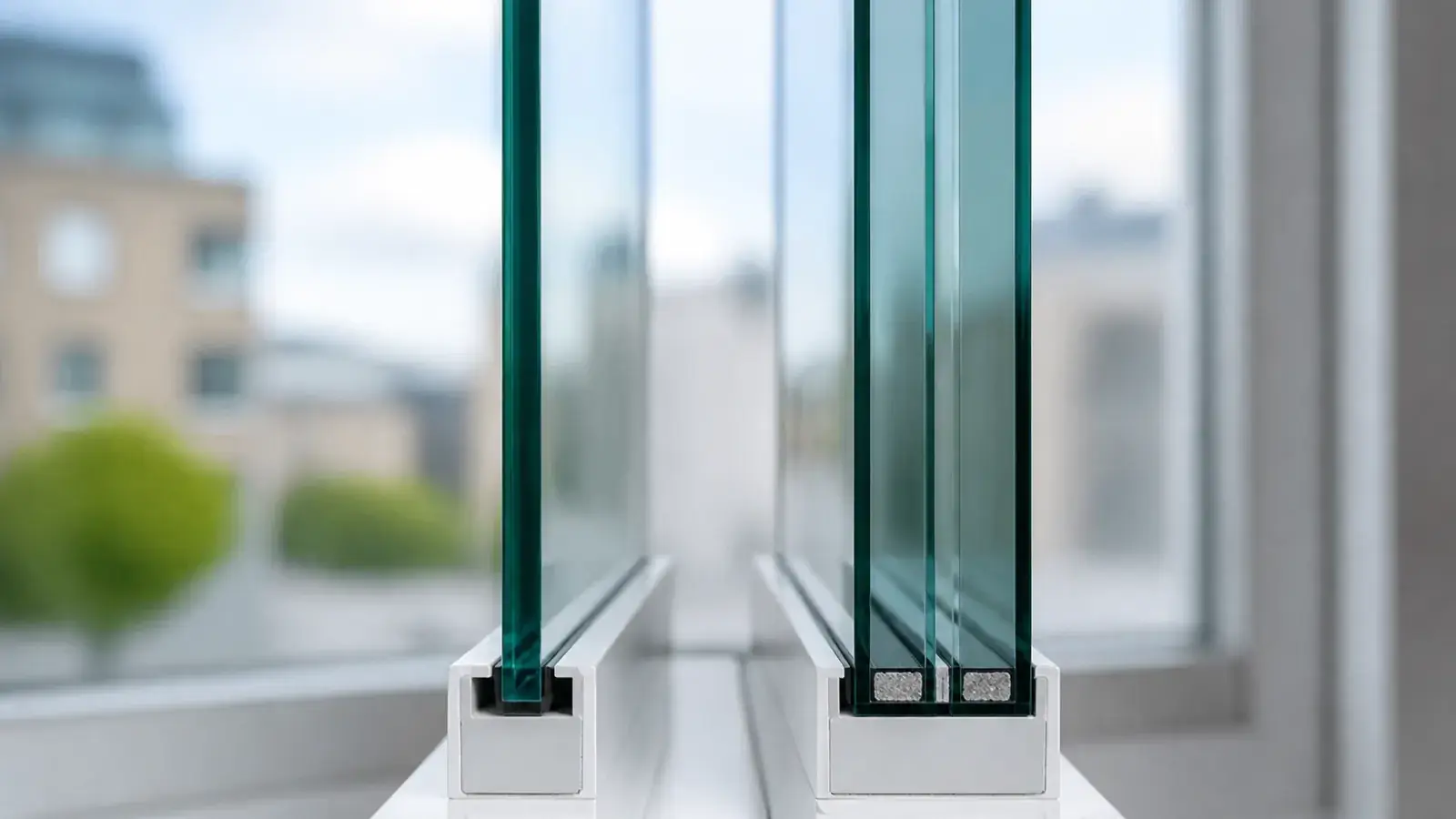
Acoustic performance is logarithmic, meaning small adjustments in the air gap lead to massive differences in noise reduction. While a national provider might suggest a broad range, we insist on a precision 100–150mm air gap. This specific depth is engineered to decouple the secondary glazing from the primary window, preventing the two panes from vibrating in sympathy (the "resonance" effect).
Section 3: Heritage Conservation and London Expertise
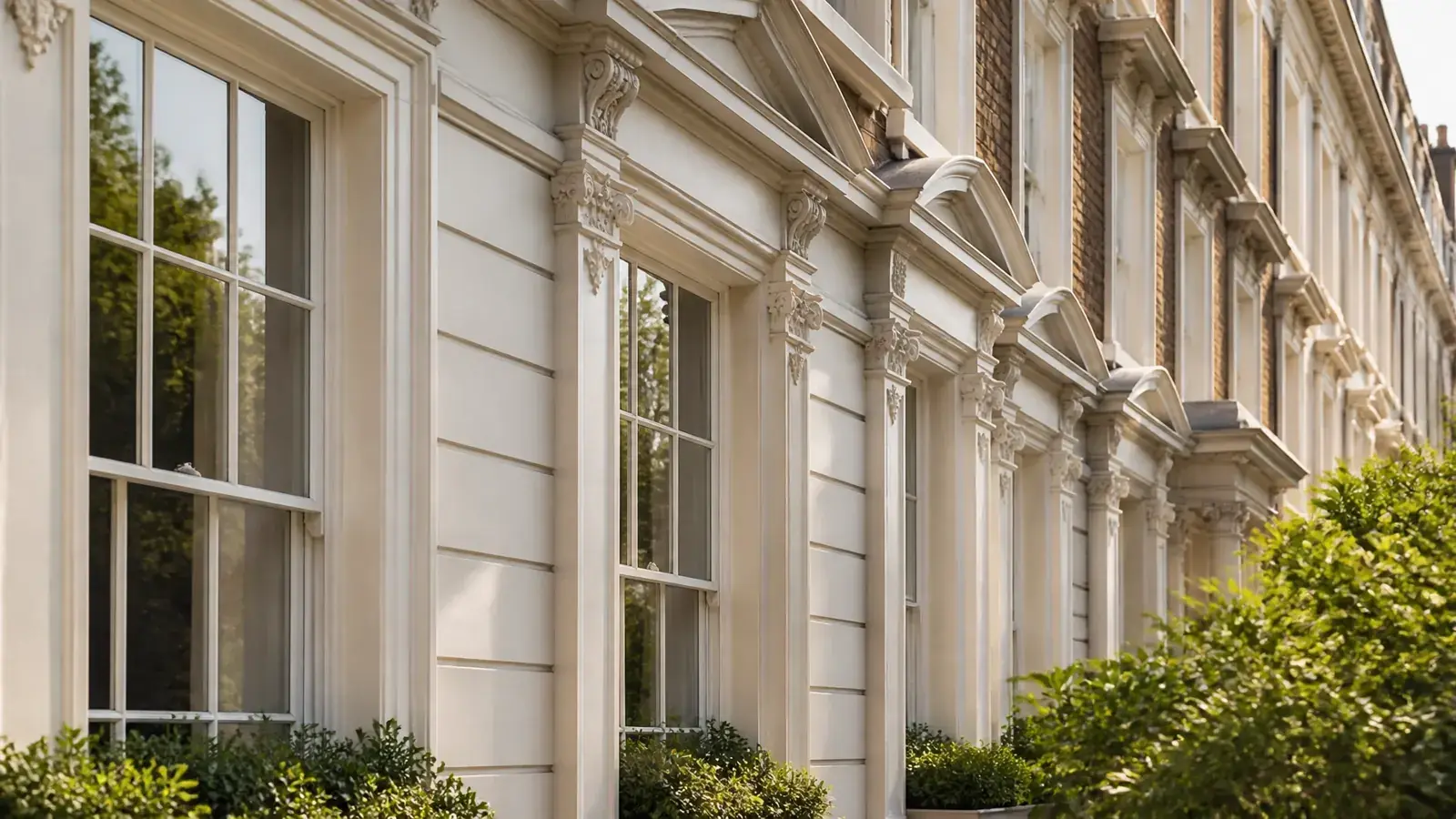
For owners of Grade I or Grade II listed buildings in Kensington, Chelsea, or Westminster, the primary hurdle is often the local Conservation Officer. Clearview's national reach means they deal with a vast array of building types, but they lack the hyper-local expertise required for London's strict heritage boroughs.
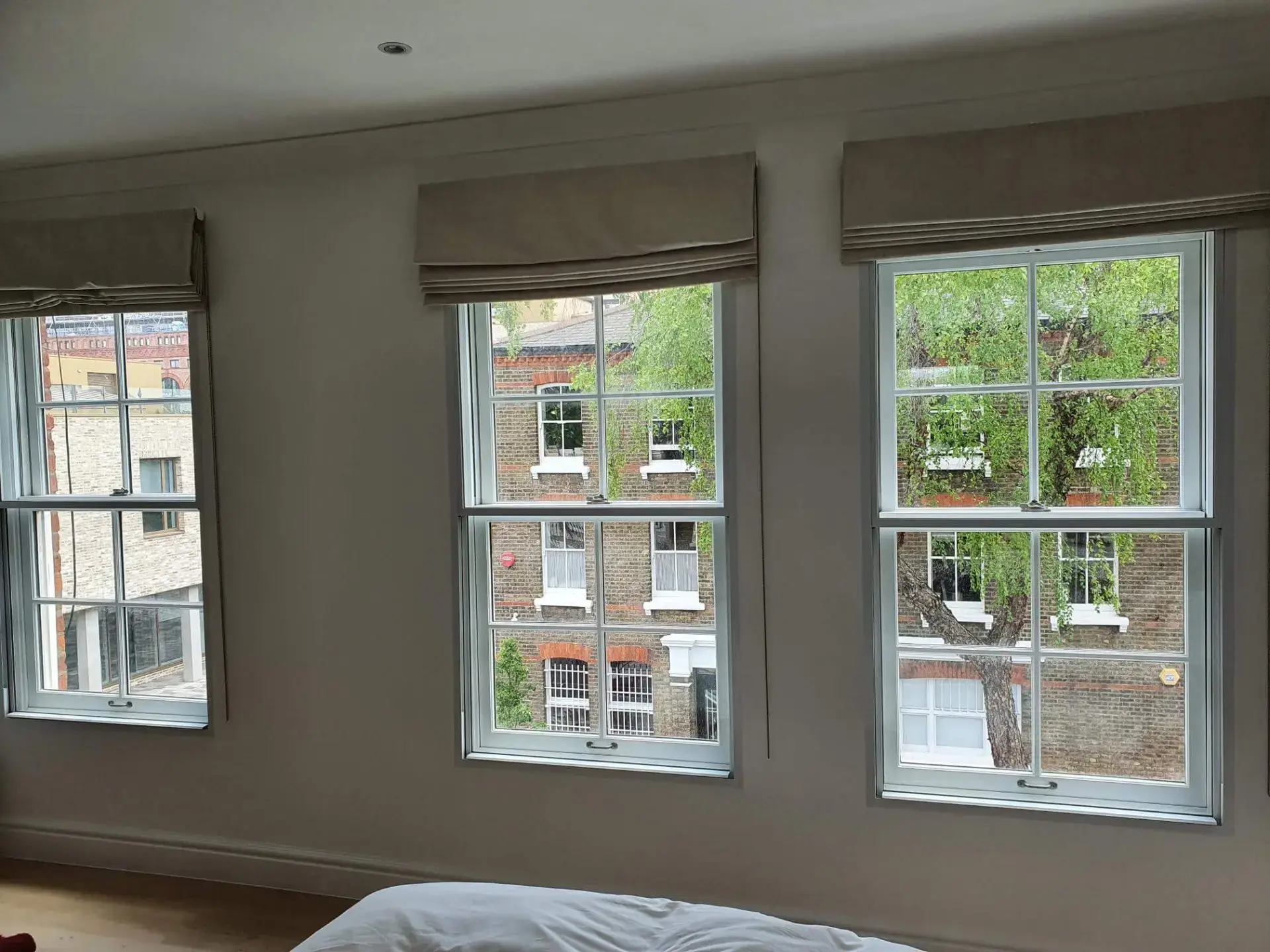
We maintain a planning-aware track record on listed-building submissions. Because our frames are designed to be "invisible" from the exterior, often aligning perfectly with existing sash window meeting rails, we have never been denied permission for an installation.
Section 4: Economic Assessment and ROI
Clearview offers DIY kits starting around £295 for 4mm glass. For a budget-conscious DIYer, this is a sensible choice. However, when evaluating the cost of secondary glazing in London, one must look at the cost-per-year of silence.
Our professional installations typically range from £650 to £1,200 per window, inclusive of 10.8mm acoustic laminate and a 10-year warranty as standard, with Premium and Heritage packages covered by a 25-year warranty.
- The investment calculation: a £900 spend amortised over a 25-year Premium/Heritage warranty period equates to just £36 per year for total acoustic protection.
In contrast, a DIY kit with 4mm glass often leaves the homeowner disappointed with the noise reduction results, leading to a "double spend" when they eventually upgrade to a professional acoustic system.
Section 5: Real-World Evidence — The Kensington Case Study
💷 Wondering about costs?
Use our calculator to get an instant estimate for your windows. Try the cost calculator →
The definitive proof of our specialist approach was seen recently in a Grade II listed property on a high-traffic route in Kensington. The original single-paned sash windows were allowing noise levels of over 75dB into the master bedroom.
Following our installation of the 10.8mm acoustic laminate system with a 130mm air gap and EPDM seals, the internal decibel reading dropped to 23dB — a total reduction of 52dB. The homeowner described the transformation as "not just a reduction in noise, but the complete removal of the outside world."
This level of performance is simply not achievable with standard 4mm toughened glass or DIY-grade seals.
The Verdict: Which Choice is Right for You?
Choose Clearview Secondary Glazing if:
- You are outside of London and need a national provider.
- You are on a strict budget and are comfortable with a DIY installation.
- The noise problem is moderate (e.g. occasional garden noise).
Choose Secondary Glazing Noise Reduction if:
- You live in a London period property or listed building.
- You require a "sanctuary" level of silence (blocking sirens, buses and trains).
- You want the reassurance of a 10-year standard / 25-year Premium & Heritage warranty and a strong conservation approval record.
- You recognise that acoustic performance is the result of precision engineering, not just "extra glass."
As a dedicated acoustic secondary glazing specialist, we are not trying to be all things to all people. We do one thing: we restore peace to London's most beautiful homes.
Take Action for Your Tranquility
The "human cost" of noise pollution — sleep deprivation, raised cortisol and mental fatigue — is too high to settle for a "good enough" solution.
Book your free London acoustic assessment today and let our engineers design your bespoke path to silence.
See also: Secondary glazing cost London 2026 · How to choose the best secondary glazing for sash windows · Heritage & listed building service
Frequently Asked Questions
Solutions covered in this guide
Go straight to the dedicated London landing page for the system or property type discussed above.
- Secondary glazing for listed buildingsFully reversible, consent-friendly specifications for Grade I and Grade II properties.
- Conservation area secondary glazingWhat London conservation officers accept — sightlines, finishes and reversibility.
- Lift-out secondary glazingThe most discreet, highest-sealing option for rarely-opened heritage windows.
- Secondary glazing for sash windowsPurpose-built systems for London box sash windows — specs, prices and heritage detailing.
Sources & References
Authoritative sources supporting the information on this page.
- British Standards Institution (2014). Guidance on sound insulation and noise reduction for buildings (BS 8233:2014). BSI Standards.
Sets the recommended internal noise levels for bedrooms and living rooms used to judge how much glazing performance a home needs.
- Greater London Authority (2021). The London Plan 2021, Policy D14: Noise. Mayor of London.Open source
The London planning policy on reducing, managing and mitigating noise in homes across the capital.
- HM Government (2015). Approved Document E: Resistance to the passage of sound. The Building Regulations 2010.Open source
The statutory guidance on sound insulation in dwellings in England.
- British Standards Institution (2020). Acoustics: Rating of sound insulation in buildings and of building elements, Part 1: Airborne sound insulation (BS EN ISO 717-1). BSI Standards.
Defines the Rw and Rw+Ctr ratings used to compare the acoustic performance of glazing systems.
- British Standards Institution (2019). Glass in building: Glazing and airborne sound insulation (BS EN 12758). BSI Standards.
Describes how the sound insulation of glass types, including acoustic laminates, is characterised.
"The noise reduction is extraordinary. Our Victorian terrace is finally peaceful."
— James R., Islington
Planning a project?
Get an instant estimate with our Secondary Glazing Cost Calculator or Book a Professional Sound Survey.
Related services & guides
Move beyond the blog: jump straight to the matching service pages, cost tools and technical guides that go deeper on this topic.
- Specialist acoustic glazing service
The full acoustic glazing menu with dB targets and pricing.
- Transparent London secondary glazing pricing
Fixed 2026 prices per window with no hidden extras.
- ROI & payback calculator
Instant estimate for your window count, glass spec and property type.
- Request a free bespoke quote
Same-week written quote based on your exact requirements.
Related Articles
Secondary Glazing for Bedrooms: The Soundproofing Treatment for Better Sleep
Sliding Secondary Glazing London: The Complete Guide to the Most Popular System