
The Complete Guide to Acoustic Secondary Glazing
Everything you need to know about reducing noise by up to 54dB without replacing your windows
Let's be honest, living with constant noise is exhausting. Traffic rumble at 6am, chatty neighbours, screeching trains, or planes overhead. It seeps into your home, ruins your sleep, and makes relaxation impossible. You've probably Googled "how to soundproof windows" at 2am after being woken up yet again.
Here's the good news: acoustic secondary glazing might be exactly what you need. And no, you don't need to rip out your existing windows or blow your budget on full replacements.
What Actually Is Acoustic Secondary Glazing?
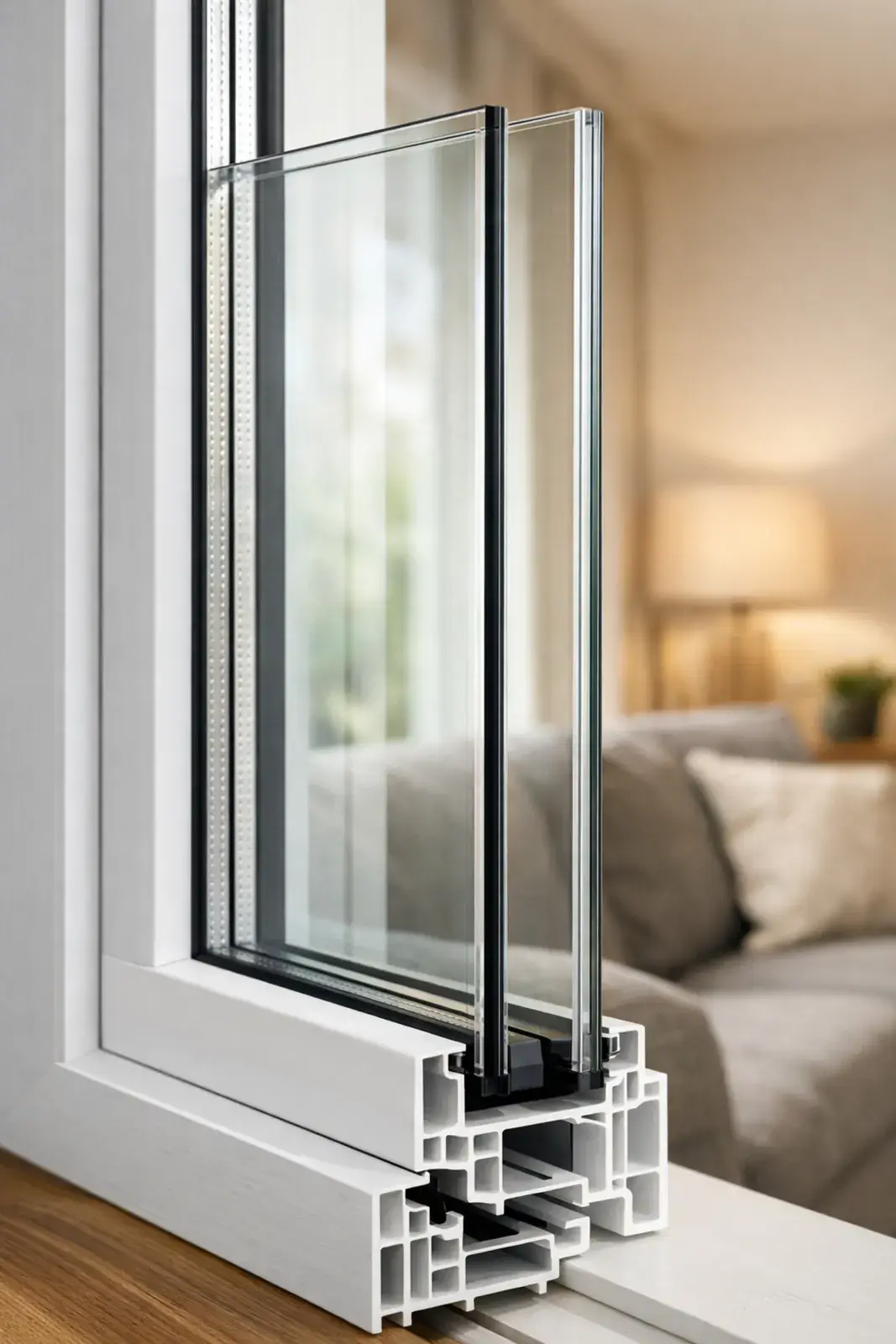
Think of secondary glazing as adding a second shield to your existing windows. It's an additional pane of glass installed inside your current window frame, creating an air gap between the two layers. This isn't rocket science—it's physics working in your favour.
Unlike double glazing (where two panes are sealed together in one unit), secondary glazing keeps everything separate. Your original window stays put, and the new pane sits independently behind it. The magic happens in that air gap between them.
The Science Behind the Silence
Sound travels through vibration. When traffic noise hits your window, the glass vibrates and transmits that sound into your room. Adding a second pane of glass interrupts this process in three clever ways:
Extra Mass
More glass means more material for sound waves to push through. They lose energy trying to vibrate the additional barrier.
The Air Gap
This is your secret weapon. Sound struggles to jump across air spaces, especially when they're around 150mm wide. The wider the gap, the better the noise reduction.
Decoupled Vibration
Because the two panes aren't touching, when the outer window vibrates from noise, the inner pane stays relatively still. It's like having two separate defences instead of one.
For maximum effect, use glass of different thicknesses for your primary and secondary panes. Why? Sound waves hate inconsistency. Different glass densities disrupt the sound's ability to transfer cleanly through both barriers. Learn more in our acoustic glass specifications guide.
How Much Quieter Will Your Home Actually Get?
Let's talk numbers, because "quieter" is vague and you deserve specifics.
Standard double glazing reduces noise by a modest amount. Not bad, right? But acoustic secondary glazing can deliver up to 54dB noise reduction in suitable configurations.
If you currently hear traffic at 70 decibels (vacuum cleaner volume), secondary glazing can drop that to around 35-40 decibels—roughly equivalent to a quiet library or soft whisper.
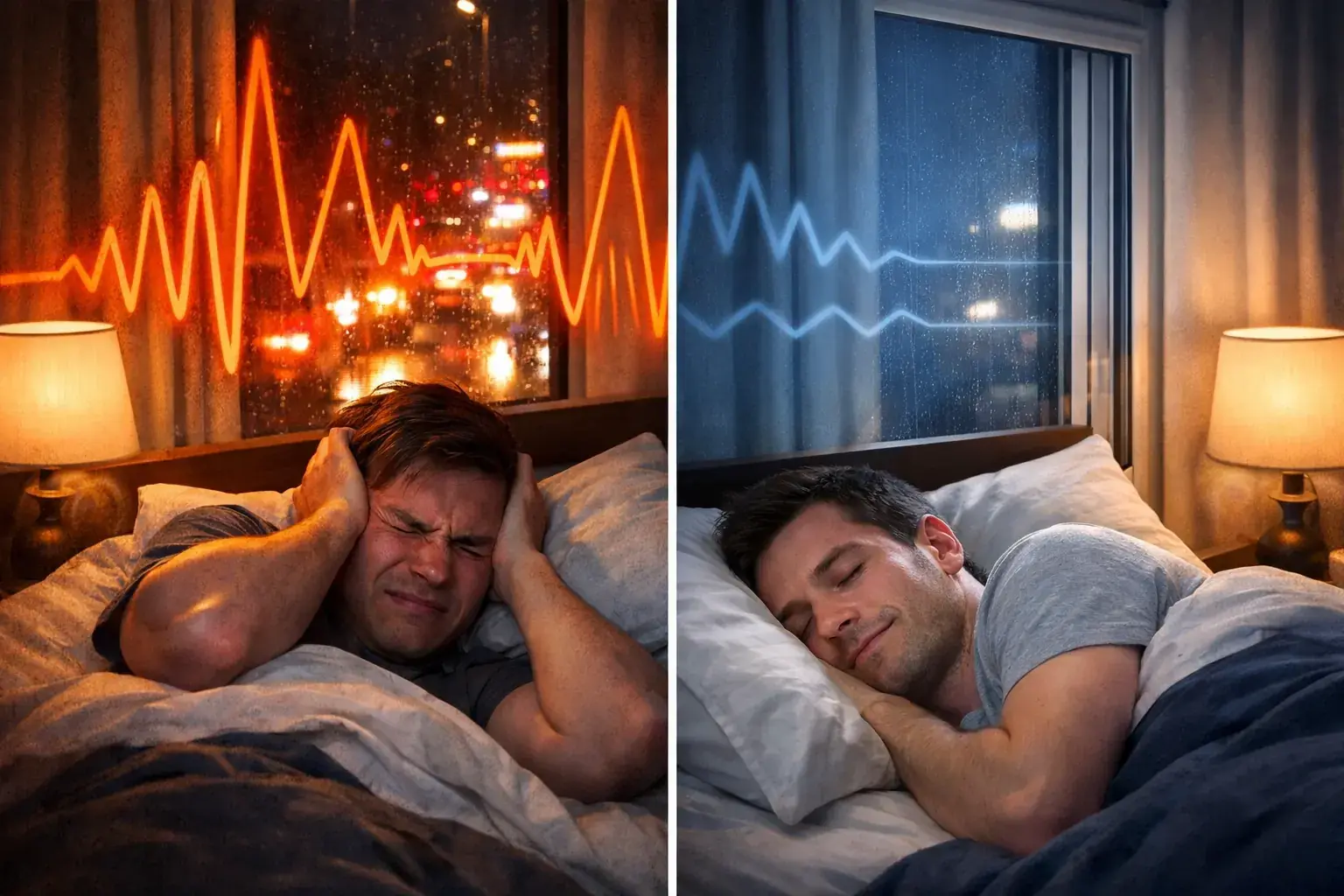
The real kicker? Secondary glazing outperforms double glazing for soundproofing and costs significantly less to install. That's because you're not replacing entire window frames—just adding to what's already there. Use our noise reduction calculator to estimate your results.
For a deeper understanding of these measurements, read our guide on understanding decibel reduction.
Choosing the Right Glass (This Matters More Than You Think)
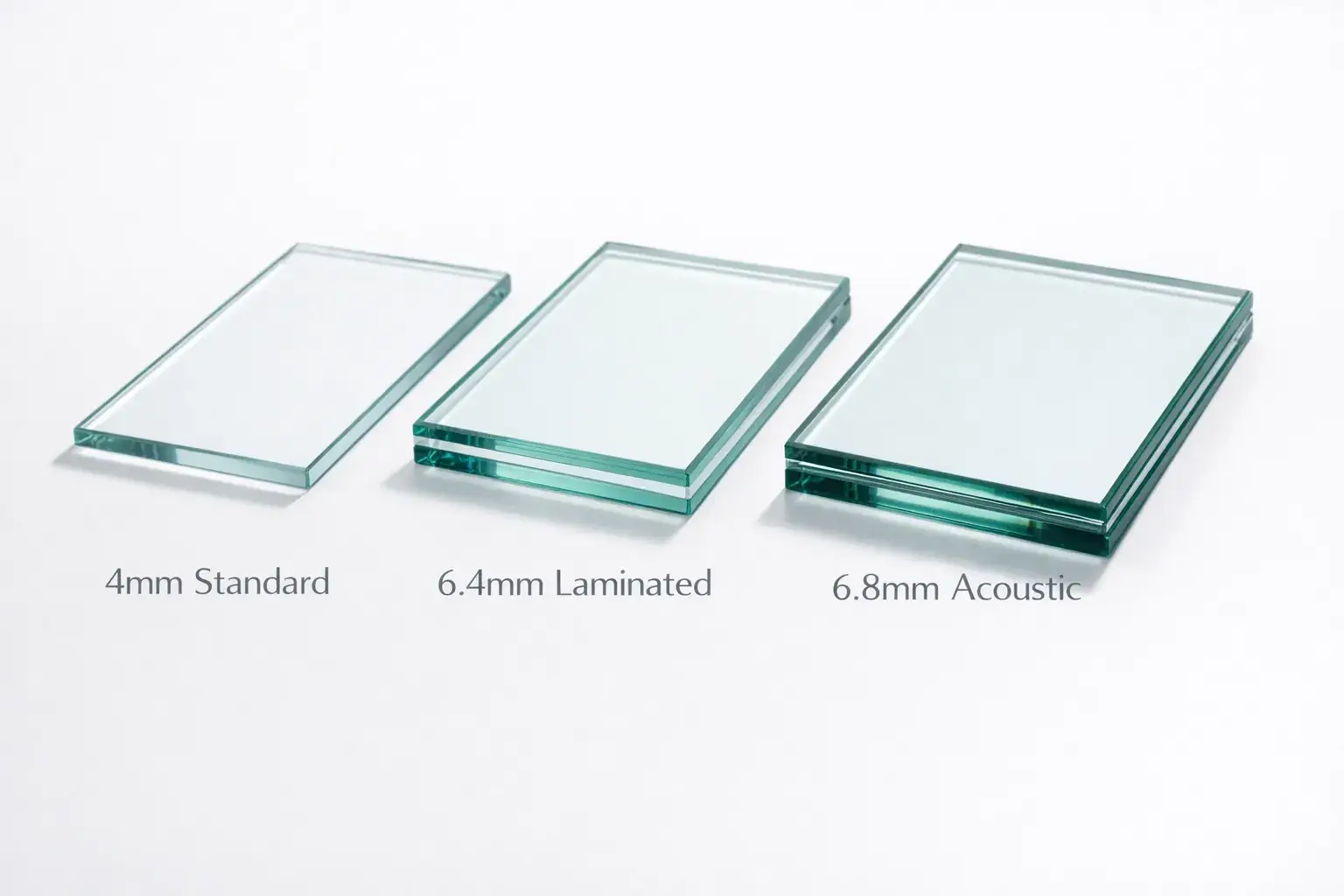
Not all glass is created equal when it comes to blocking noise. Here's what actually works:
| Glass Type | Best For | Performance |
|---|---|---|
| Standard 4mm Glass | Basic noise reduction | Entry level |
| 6.4mm Laminated Glass | General noise reduction | Good all-rounder |
| 6.8mm Acoustic Glass | Heavy traffic, railways, aircraft | Premium performance |
If you live near a busy road, train line, or under a flight path, don't skimp on the glass. The upgrade from standard to acoustic laminated glass makes a night-and-day difference, especially for those deep, bass-heavy sounds that rattle through walls. See our low frequency noise guide for more on tackling rumble and bass.
What About Installation?
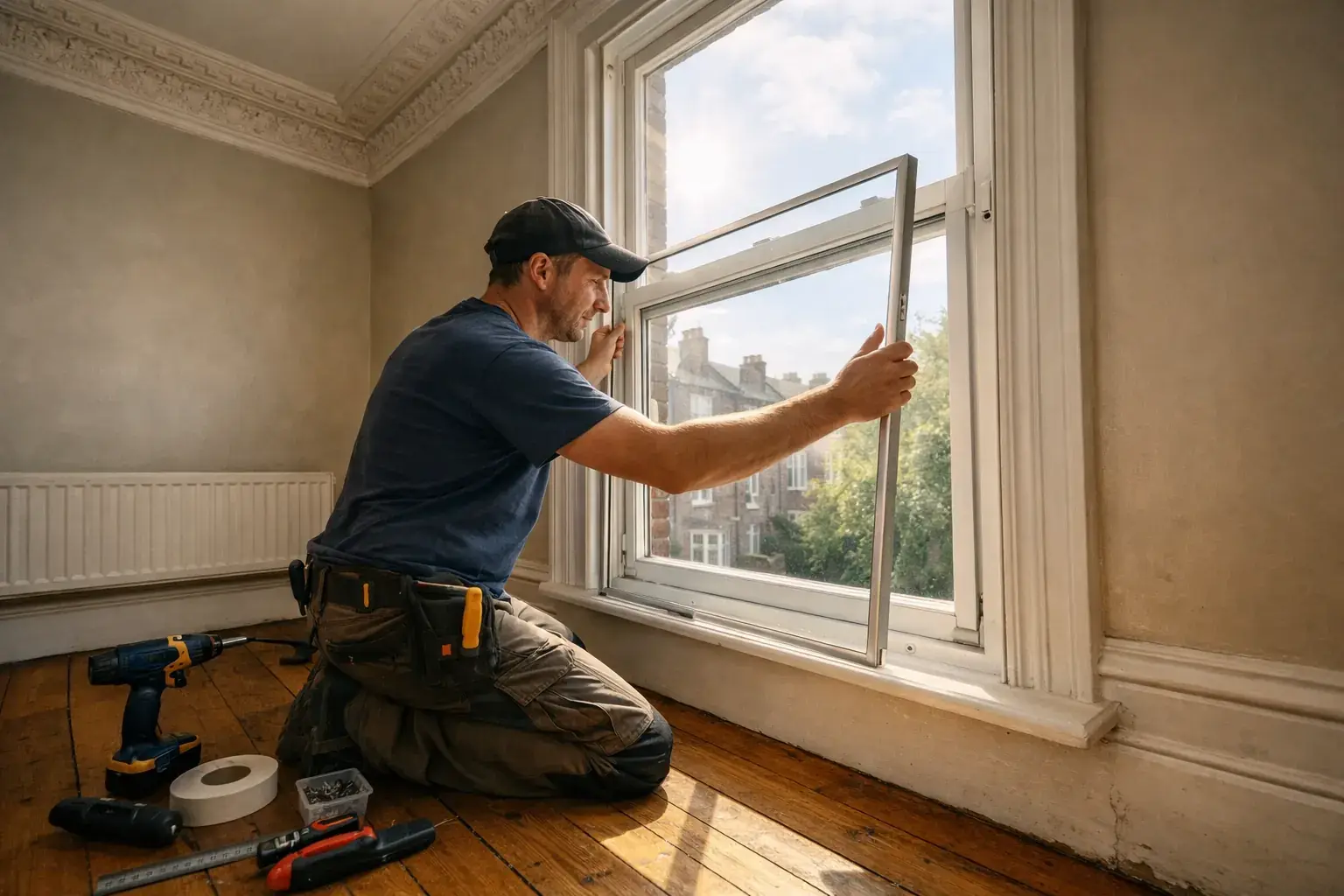
Here's where secondary glazing really shines compared to full window replacement. There's no scaffolding, no structural changes, no planning permission (in most cases), and no three-week disruption to your life. Read our installation process guide for the full breakdown.
Professional installation typically takes a few hours per window. The frame is fitted to your existing window reveal, and the secondary pane slots in place. You can choose between:
- •Hinged Units – Open like a regular window, so you can still access your original window for ventilation or cleaning.
- •Lift-Out Systems – Completely removable panels when you need full window access. Perfect for occasional maintenance.
- •Sliding Tracks – Horizontal sliders ideal for wide windows or patio doors.
The best part? Because you're not touching the external structure of your building, secondary glazing works brilliantly for listed buildings and conservation areas where planning restrictions make double glazing impossible. See our listed buildings guide for more details.
The Cost Question Everyone Asks
Let's talk money. Replacing windows with new double or triple glazing runs into thousands per window—often £800-1,500+ each, depending on size and materials.
Secondary glazing? You're looking at £300-700 per window for a quality installation. That's roughly half the cost for better soundproofing performance. Get a detailed breakdown in our cost and pricing guide.
Secondary glazing pays you back: the added insulation layer reduces heat loss through windows by up to 60%, which slashes your heating bills. Use our ROI calculator to see your potential savings.
Bonus Benefits You Didn't Ask For (But Will Love)
While you're here for the noise reduction, acoustic secondary glazing brings some seriously useful extras:
Thermal Insulation
That air gap doesn't just block sound—it's also a brilliant heat barrier, keeping warmth in during winter. See our thermal insulation service.
Energy Efficiency
Less heat loss means lower energy bills. Secondary glazing can reduce heat loss through windows by 60%. Try our energy savings estimator.
Security Boost
An extra layer of glass makes break-ins harder and more time-consuming for intruders.
UV Protection
Some acoustic glass options include UV-filtering properties, protecting your furniture and carpets from sun damage.
Who Actually Benefits From This?
Acoustic secondary glazing isn't just for city dwellers battling traffic noise. It's perfect for:
- Anyone living on busy roads, near railways, or under flight paths
- Period property owners who can't replace original windows
- People in conservation areas with strict planning rules
- Shift workers who need to sleep during the day
- Home office workers needing concentration
- Parents trying to create quiet nurseries
- Anyone with sensory sensitivities to noise
Basically, if noise is affecting your quality of life at home, secondary glazing is worth investigating—regardless of what type of windows you currently have. Yes, it even works on existing double glazing if you need extra soundproofing. For sash window owners, see our specialist guide on sash window noise reduction.
Getting Started
If constant noise is stealing your peace, you don't have to live with it. Acoustic secondary glazing offers a practical, affordable solution that actually works—without the hassle and expense of full window replacement.
The installation is straightforward, the results are immediate, and the benefits stack up year after year through energy savings and improved comfort.
Ready to Explore Your Options?
Get in touch with our team for a no-obligation quote and expert advice tailored to your specific noise challenges.
Your silent sanctuary is closer than you think.
Related guides
Explore the dedicated London landing pages for the systems and property types covered above.
- Secondary glazing for sash windowsPurpose-built systems for London box sash windows — specs, prices and heritage detailing.
- Sliding secondary glazingHorizontal and vertical sliders for sash and casement windows — up to 51dB with full ventilation access.
- Secondary glazing for listed buildingsFully reversible, consent-friendly specifications for Grade I and Grade II properties.
- Traffic noise secondary glazingSpecs matched to road-noise frequency profiles on London’s busiest streets.