
Understanding Decibel Reduction: What Does 70% Noise Reduction Really Mean?
Decoding the science behind noise reduction claims and what they mean for your daily life.
If you've been researching secondary glazing for noise reduction, you've probably seen claims like "70% noise reduction" or "80% quieter." But what do these percentages actually mean in your daily life? Will that busy road outside really become 70% less annoying?
The truth is more nuanced than a simple percentage suggests. Understanding decibels and how noise reduction works can help you make informed decisions about secondary glazing and set realistic expectations for your home.
What Are Decibels, Really?
Decibels (dB) measure sound intensity, but they don't work like normal numbers. Think of them more like earthquake measurements on the Richter scale – they're logarithmic, which means each increase of 10 dB represents a tenfold increase in sound intensity.
Here's what this means in practical terms: a sound measuring 80 dB isn't just twice as loud as 40 dB – it's actually 10,000 times more intense. This logarithmic nature is why percentage reductions can be misleading.
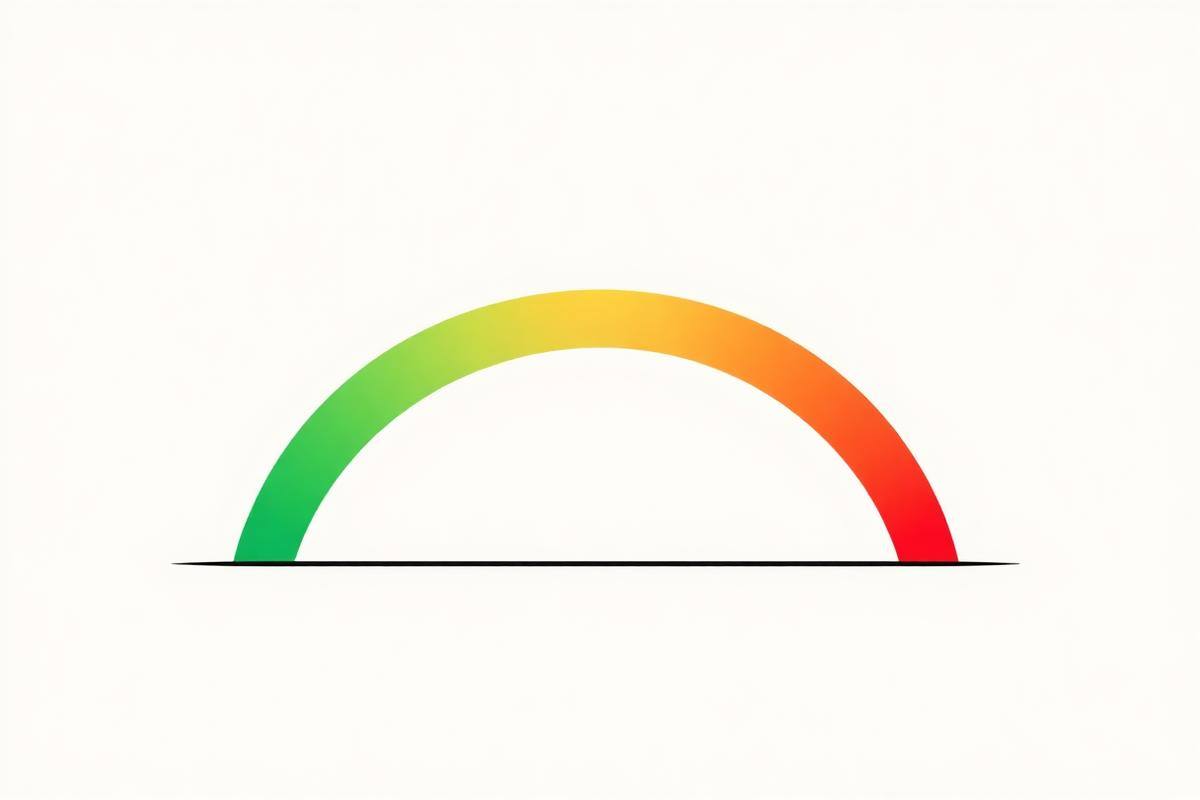
To put this in perspective, consider these everyday sound levels:
- 20 dB: Leaves rustling, barely audible
- 40 dB: Quiet library, peaceful bedroom at night
- 60 dB: Normal conversation, background office noise
- 80 dB: Busy traffic, city street
- 100 dB: Motorcycle, construction equipment
The Percentage Problem
When companies claim "70% noise reduction," they're typically referring to a reduction in sound pressure level – the physical measurement of sound waves. However, what you actually experience is quite different.
A 70% reduction in sound pressure level translates to approximately 7.5 dB reduction. While this might sound modest, it's actually quite significant. Here's why:
- 3 dB reduction: Barely noticeable (50% sound pressure reduction)
- 6 dB reduction: Clearly noticeable improvement (75% sound pressure reduction)
- 10 dB reduction: Perceived as half as loud (90% sound pressure reduction)
So that 7.5 dB reduction from secondary glazing? Your ears will perceive it as roughly 50-60% quieter – a substantial improvement that can transform your living environment.

Real-World Noise Levels and What Reduction Means
Let's look at specific scenarios you might face in your home:
Busy Road Traffic (80 dB)
- Without secondary glazing: Constant rumble, difficult conversations, poor sleep
- With 8 dB reduction: Drops to 72 dB – sounds like moderate traffic in the distance
- What you'll notice: Conversations become easier, TV volume can be lower, sleep improves significantly
Construction Noise (90 dB)
- Without secondary glazing: Intrusive, stress-inducing, impossible to ignore
- With 10 dB reduction: Drops to 80 dB – sounds like regular heavy traffic
- What you'll notice: Still audible but no longer overwhelming, you can concentrate on work
Aircraft Noise (85 dB)
- Without secondary glazing: Sharp, attention-grabbing, conversation-stopping
- With 8 dB reduction: Drops to 77 dB – sounds like distant traffic
- What you'll notice: Planes become background noise rather than disruptions
How Secondary Glazing Achieves These Reductions
Secondary glazing works by creating multiple barriers for sound waves to penetrate. The effectiveness depends on several factors:
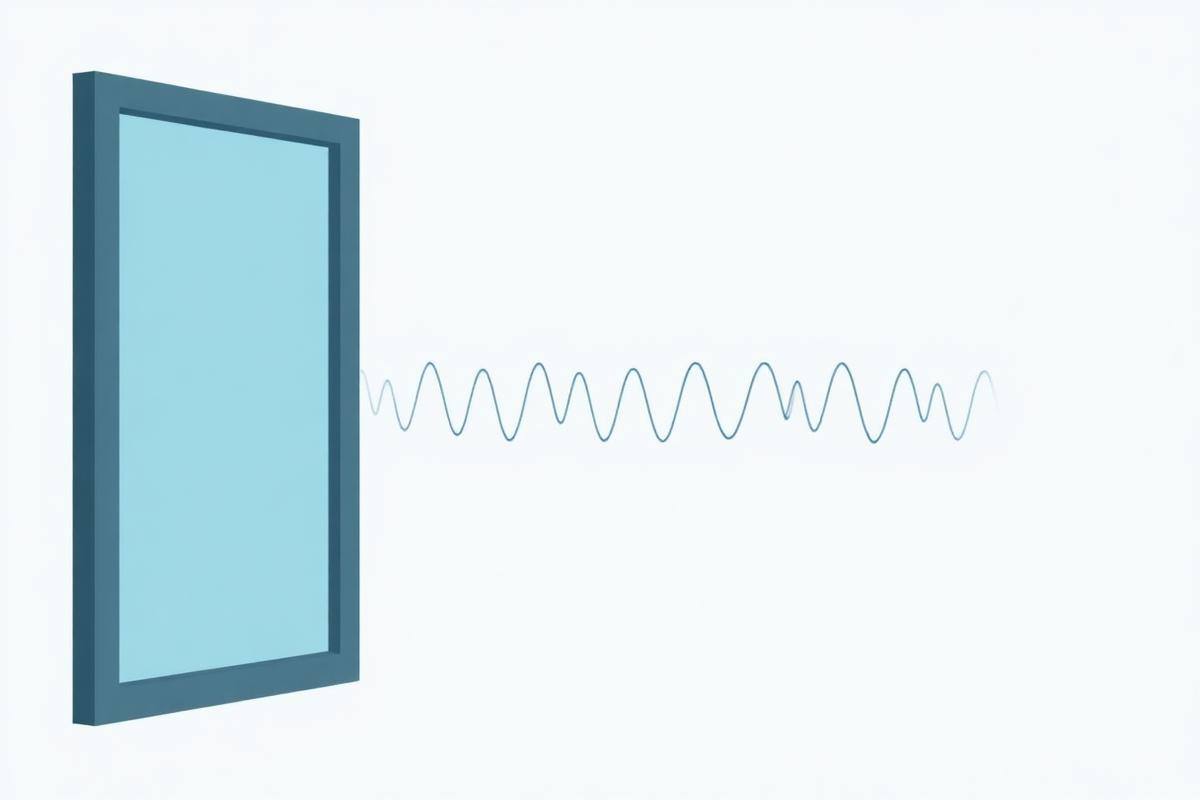
The Science Behind the Silence
Sound waves lose energy each time they encounter a barrier. With secondary glazing, sound must travel through:
- Your original window glass
- The air gap (typically 150-200mm)
- The secondary glazing panel
This multi-barrier system is particularly effective against mid to high-frequency sounds – exactly the type of noise that's most annoying to humans, like traffic, voices, and machinery.
Why the Air Gap Matters
The space between your existing window and the secondary glazing is crucial. A larger air gap generally provides better acoustic performance. Think of it like having two walls with empty space between them – sound has to work much harder to get through.
Before and After: What You'll Actually Experience
Understanding dB reduction in terms of your daily life makes it much more meaningful:
The Morning Commute Scenario
Before: You're woken at 6 AM by buses and cars accelerating outside. The noise measures 78 dB in your bedroom.
After: The same traffic measures 68 dB – it sounds like gentle background noise. You sleep through until your alarm.
The Home Office Reality
Before: Road noise at 75 dB makes video calls embarrassing and concentration difficult.
After: Reduced to 65 dB, it's quieter than normal office chatter. Your productivity soars.
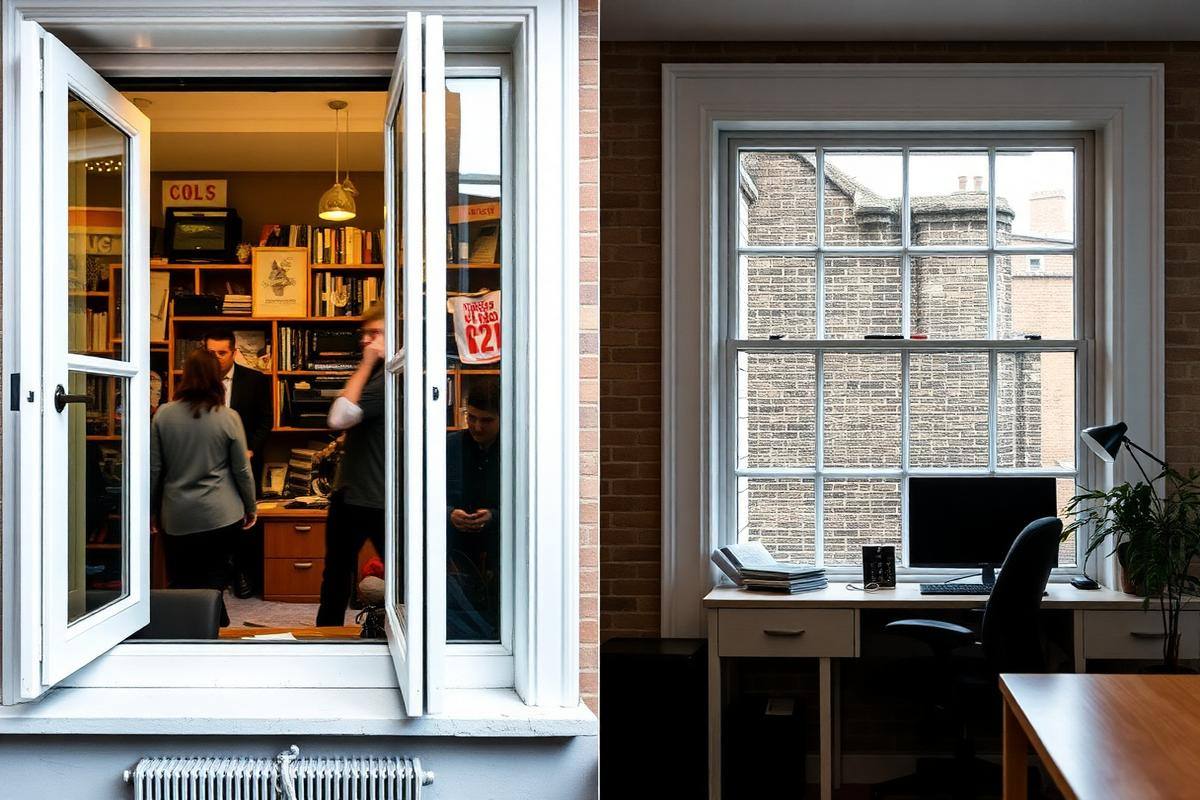
The Evening Relaxation Test
Before: You need the TV at volume 25 to hear over external noise.
After: Volume 15 is perfectly clear. Conversations happen naturally, and stress levels drop.
Practical Comparisons You Can Relate To
Here are some everyday comparisons that help illustrate what dB reductions actually sound like:
- A lorry passing (85 dB) becomes like a car in the distance (75 dB)
- Busy street traffic (80 dB) becomes like quiet suburban road (70 dB)
- Construction machinery (90 dB) becomes like heavy traffic (80 dB)
- Motorcycle acceleration (95 dB) becomes like city street noise (85 dB)
Measuring Success: What to Expect
Professional acoustic surveys before and after installation provide concrete evidence of improvement. Here's what typical measurements show:
High-Performance Installations
- Traffic noise reduction: 8-12 dB (perceived as 60-75% quieter)
- Aircraft noise reduction: 6-10 dB (perceived as 50-70% quieter)
- General environmental noise: 5-8 dB (perceived as 40-60% quieter)

Factors Affecting Performance
The actual reduction you achieve depends on:
- Your existing windows: Single glazing sees more improvement than modern double glazing
- Installation quality: Proper sealing is essential for maximum performance
- Noise frequency: Higher-pitched sounds are reduced more effectively than low-frequency rumbles
Setting Realistic Expectations
While secondary glazing won't create a completely silent environment, it will create a dramatically more comfortable one. Up to 54dB of reduction in suitable configurations translates to real-world improvements like:
- Better sleep quality: Traffic becomes ignorable background noise
- Easier conversations: No more raising your voice to be heard
- Improved concentration: Work and relaxation become genuinely peaceful
- Enhanced property comfort: Your home feels like a sanctuary rather than a noisy box
The key is understanding that even a 6-8 dB reduction represents a transformation in how your space feels and functions. What matters isn't the exact percentage, but whether you can finally enjoy peace and quiet in your own home.
Secondary glazing delivers this transformation reliably, making those technical measurements translate into genuine quality of life improvements you'll notice every day.
Ready to Experience Real Noise Reduction?
Get a professional acoustic assessment and discover exactly how much quieter your home could be.
Related guides
Explore the dedicated London landing pages for the systems and property types covered above.
- Secondary glazing for sash windowsPurpose-built systems for London box sash windows — specs, prices and heritage detailing.
- Sliding secondary glazingHorizontal and vertical sliders for sash and casement windows — up to 51dB with full ventilation access.
- Secondary glazing for listed buildingsFully reversible, consent-friendly specifications for Grade I and Grade II properties.
- Traffic noise secondary glazingSpecs matched to road-noise frequency profiles on London’s busiest streets.