Archway Road homes: ask about low-frequency sound
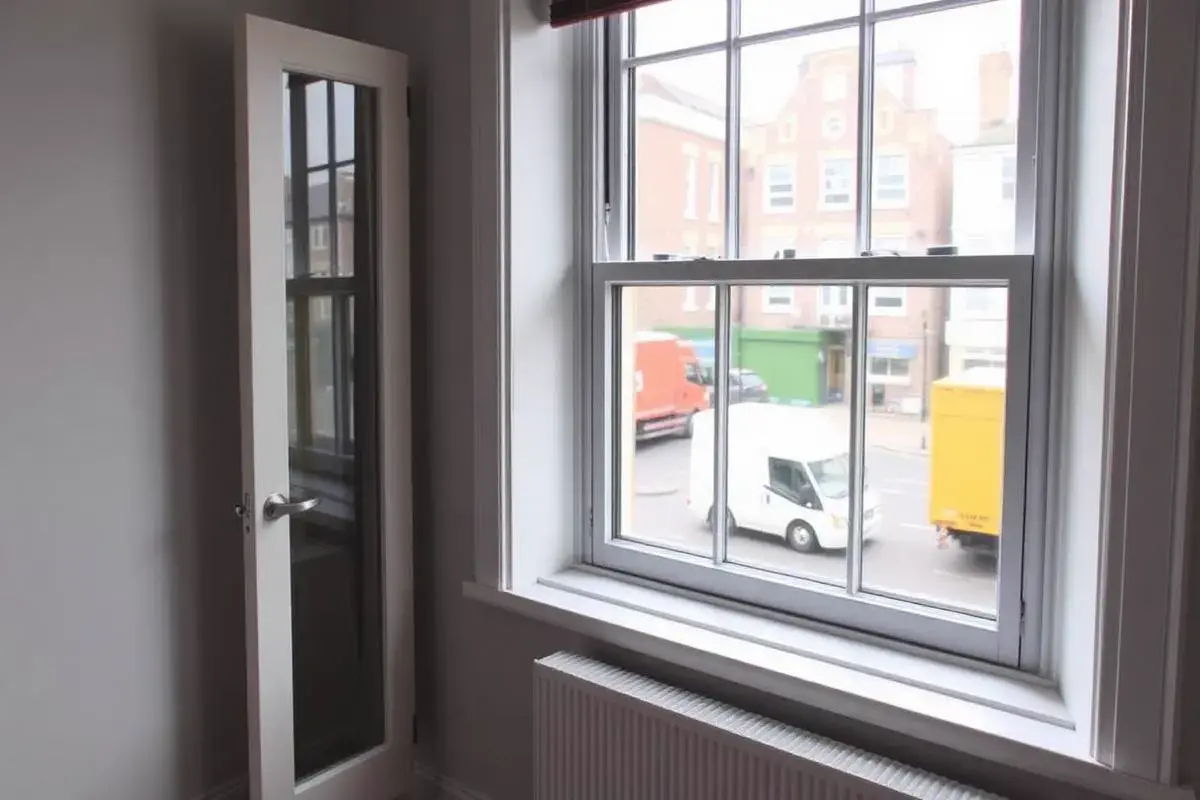
Archway Road and Highgate Hill can place road traffic close to some Highgate windows. Low-frequency vehicle sound may remain noticeable even when sharper noises are reduced. That is a reason to ask for an acoustic explanation, not simply select the thickest pane on a price list.
This practical checklist supports our secondary glazing in Highgate service guide. It focuses on decisions to make before a survey, rather than presenting assumed local noise measurements.
What to check before your Highgate survey
Describe whether the disturbance is a rumble, a hiss or sudden acceleration. Compare rooms facing the road with those away from it. Check if the same sound is present through walls or floors, since a window-only treatment has limits.
Compare systems for Archway Road rumble
🏛️ Living in a listed building or conservation area?
See how we navigate planning permission and protect your heritage windows. Read our conservation area guide →
For low-frequency disturbance, ask for evidence describing the proposed complete arrangement rather than a glass-only headline. Different frequency bands can perform differently even when a single-number rating looks similar. If the floor or wall vibrates during a vehicle passage, make that a separate survey observation. More glass mass alone is not a defensible promise to eliminate the remaining rumble.
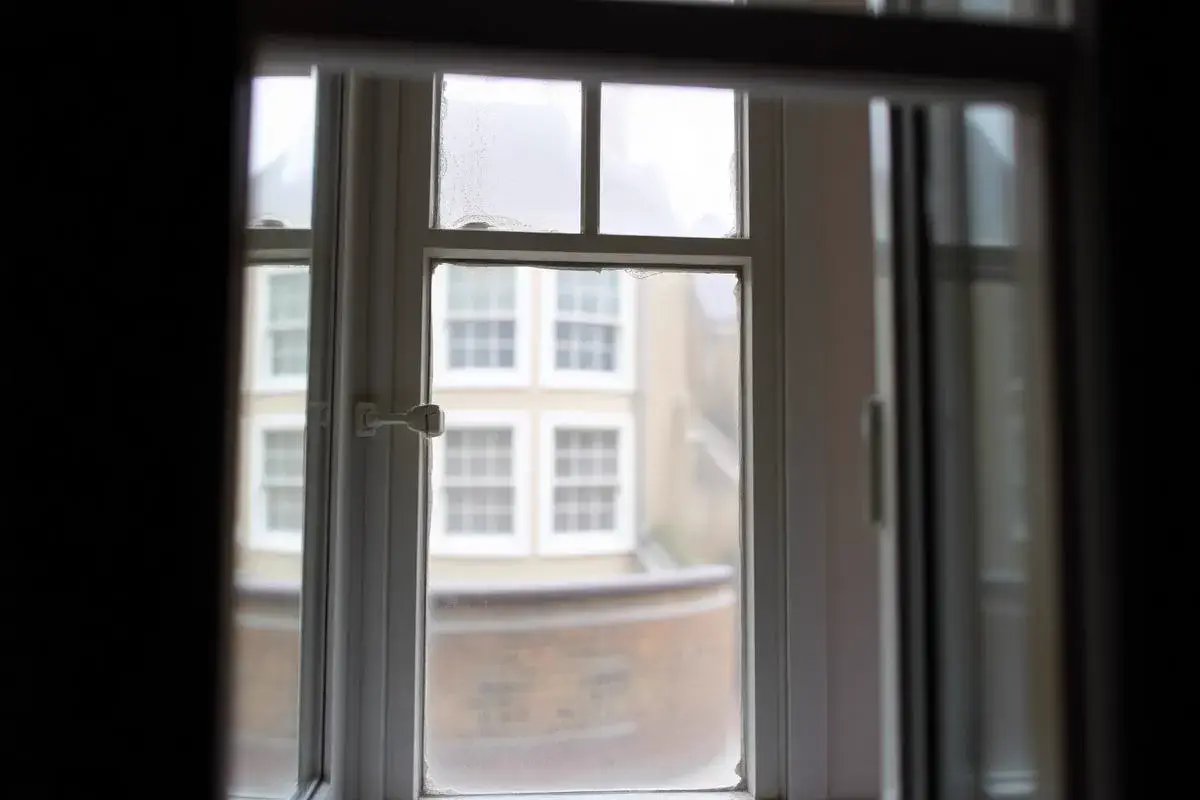
Compare the proposed arrangement for this window
Glass mass, pane separation and seals all influence the system. Ask why the proposed combination suits the source and available reveal, and whether other sound paths constrain improvement. Conservation requirements should be considered separately from the acoustic design.
For the shared technical principles, read our traffic noise guidance and measurement and performance FAQs.
Arrange a Highgate window survey
Our Highgate service page covers N6. Send the window photographs and observations described above with your postcode. Compare London secondary glazing costs, then request a free survey.
54dB Specialists is a mobile service covering London, not a separate branch in each neighbourhood. Call 0207 060 1572 or email secondaryglazings@gmail.com. Opening hours: Monday–Friday 8am–6pm, Saturday 9am–4pm; closed Sunday. Business details and all covered areas.
Continue your local research
💷 Wondering about costs?
Use our calculator to get an instant estimate for your windows. Try the cost calculator →
Return to the secondary glazing London local guides or read London window guidance and Kensington window guidance. These articles explore related decisions, not measured noise levels at your address.
Frequently Asked Questions
Solutions covered in this guide
Go straight to the dedicated London landing page for the system or property type discussed above.
- Secondary glazing for sash windowsPurpose-built systems for London box sash windows — specs, prices and heritage detailing.
- Sliding secondary glazingHorizontal and vertical sliders for sash and casement windows — up to 51dB with full ventilation access.
- Secondary glazing for listed buildingsFully reversible, consent-friendly specifications for Grade I and Grade II properties.
- Traffic noise secondary glazingSpecs matched to road-noise frequency profiles on London’s busiest streets.
Sources & References
Authoritative sources supporting the information on this page.
- British Standards Institution (2014). Guidance on sound insulation and noise reduction for buildings (BS 8233:2014). BSI Standards.
Sets the recommended internal noise levels for bedrooms and living rooms used to judge how much glazing performance a home needs.
- HM Government (2015). Approved Document E: Resistance to the passage of sound. The Building Regulations 2010.Open source
The statutory guidance on sound insulation in dwellings in England.
- British Standards Institution (2020). Acoustics: Rating of sound insulation in buildings and of building elements, Part 1: Airborne sound insulation (BS EN ISO 717-1). BSI Standards.
Defines the Rw and Rw+Ctr ratings used to compare the acoustic performance of glazing systems.
- British Standards Institution (2019). Glass in building: Glazing and airborne sound insulation (BS EN 12758). BSI Standards.
Describes how the sound insulation of glass types, including acoustic laminates, is characterised.
- World Health Organization Regional Office for Europe (2018). Environmental Noise Guidelines for the European Region. World Health Organization.Open source
Evidence-based guideline levels for road, rail and aircraft noise and their links to sleep disturbance and health.
"The noise reduction is extraordinary. Our Victorian terrace is finally peaceful."
— James R., Islington
Planning a project?
Get an instant estimate with our Secondary Glazing Cost Calculator or Book a Professional Sound Survey.
Related services & guides
Move beyond the blog: jump straight to the matching service pages, cost tools and technical guides that go deeper on this topic.
- Specialist acoustic glazing service
The full acoustic glazing menu with dB targets and pricing.
- Transparent London secondary glazing pricing
Fixed 2026 prices per window with no hidden extras.
- ROI & payback calculator
Instant estimate for your window count, glass spec and property type.
- Request a free bespoke quote
Same-week written quote based on your exact requirements.