Edwardian homes: compare aircraft, A40 and railway exposure
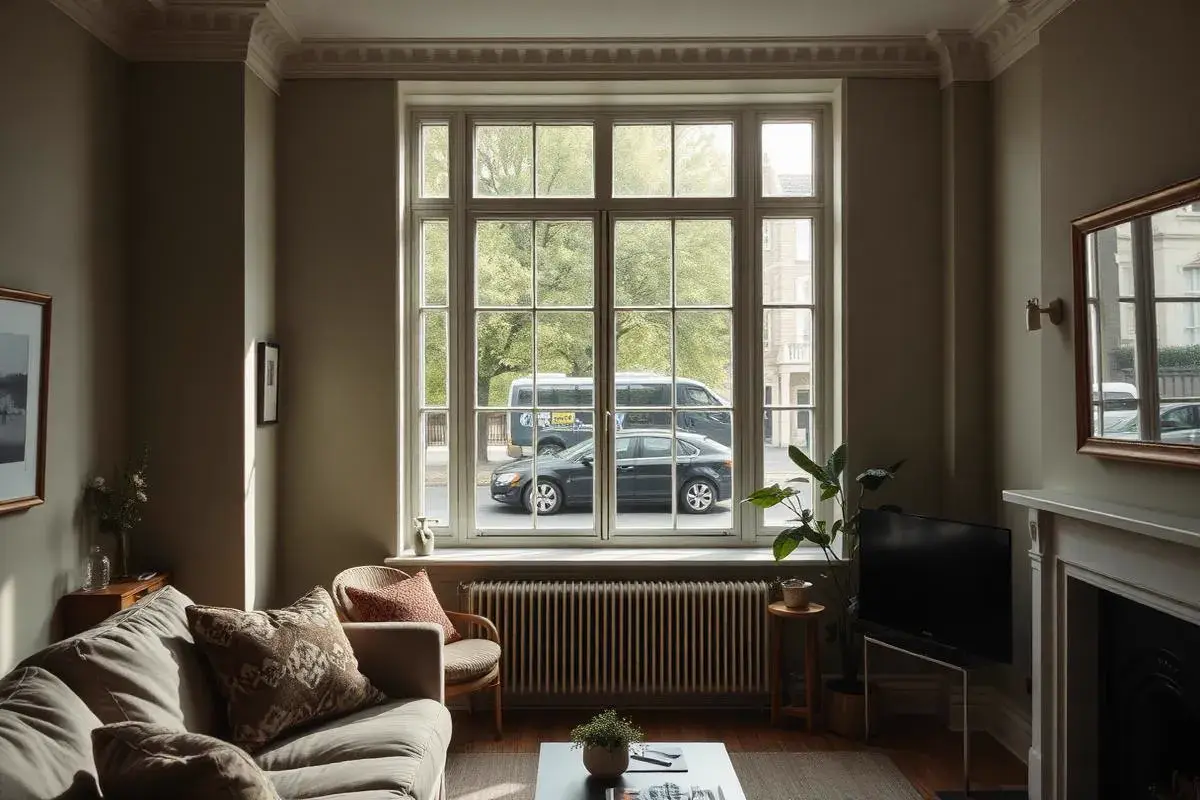
Some Ealing homes hear aircraft, others are more exposed to the A40 or Great Western rail corridor. An Edwardian semi may have both a front bay and rear bedroom with different needs. Local flight exposure alone should not decide the glazing for every room.
This practical checklist supports our secondary glazing in Ealing service guide. It focuses on decisions to make before a survey, rather than presenting assumed local noise measurements.
What to check before your Ealing survey
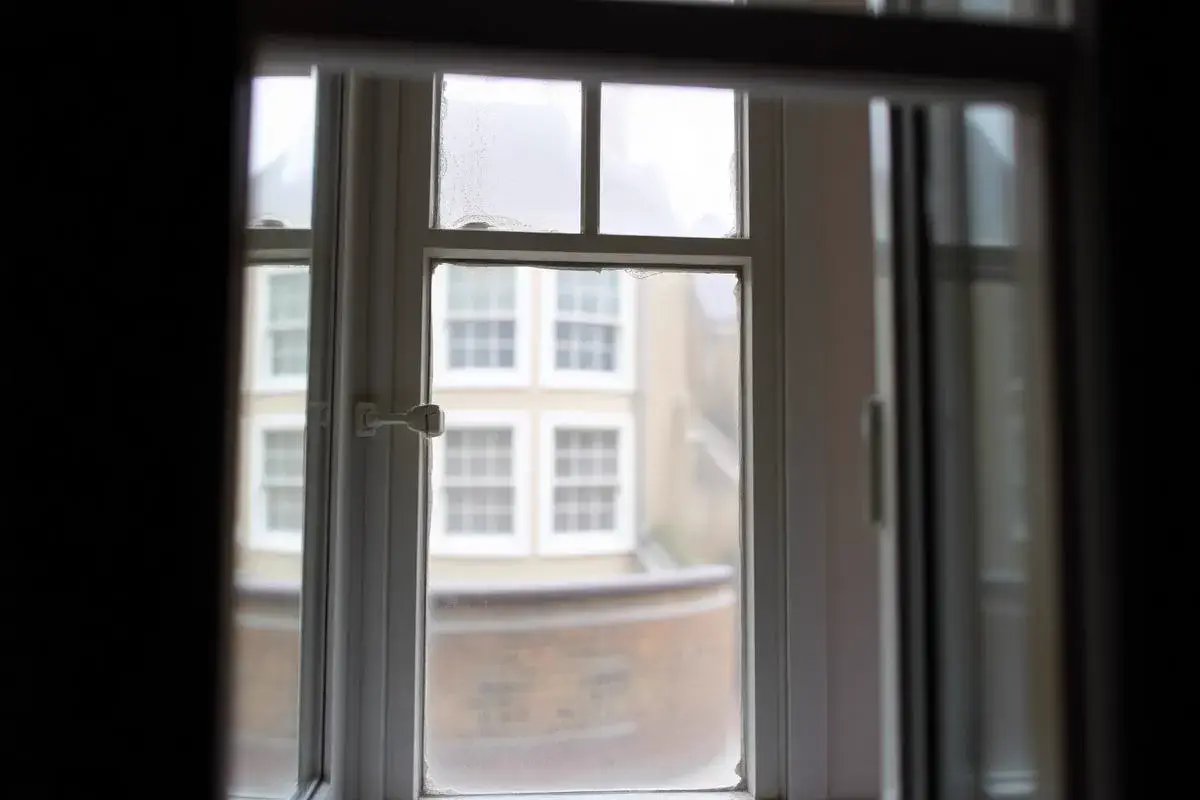
Record which source stands out in each room with the existing window closed. Include short events and persistent background separately. Ask whether a bay, casement or sash needs a different frame layout so each opening stays accessible.
The local noise context
🏛️ Living in a listed building or conservation area?
See how we navigate planning permission and protect your heritage windows. Read our conservation area guide →
Some Ealing homes notice aircraft, others are closer to the A40 or Great Western rail corridor. Flight noise varies by location and conditions, so the useful question is which sound reaches the room and whether the window itself is the main entry point.
Our area directory describes the local property stock as edwardian semis, victorian terraces and conservation areas. These are contextual examples, not evidence that every address shares the same exposure or building construction.
Choosing an acoustic window arrangement
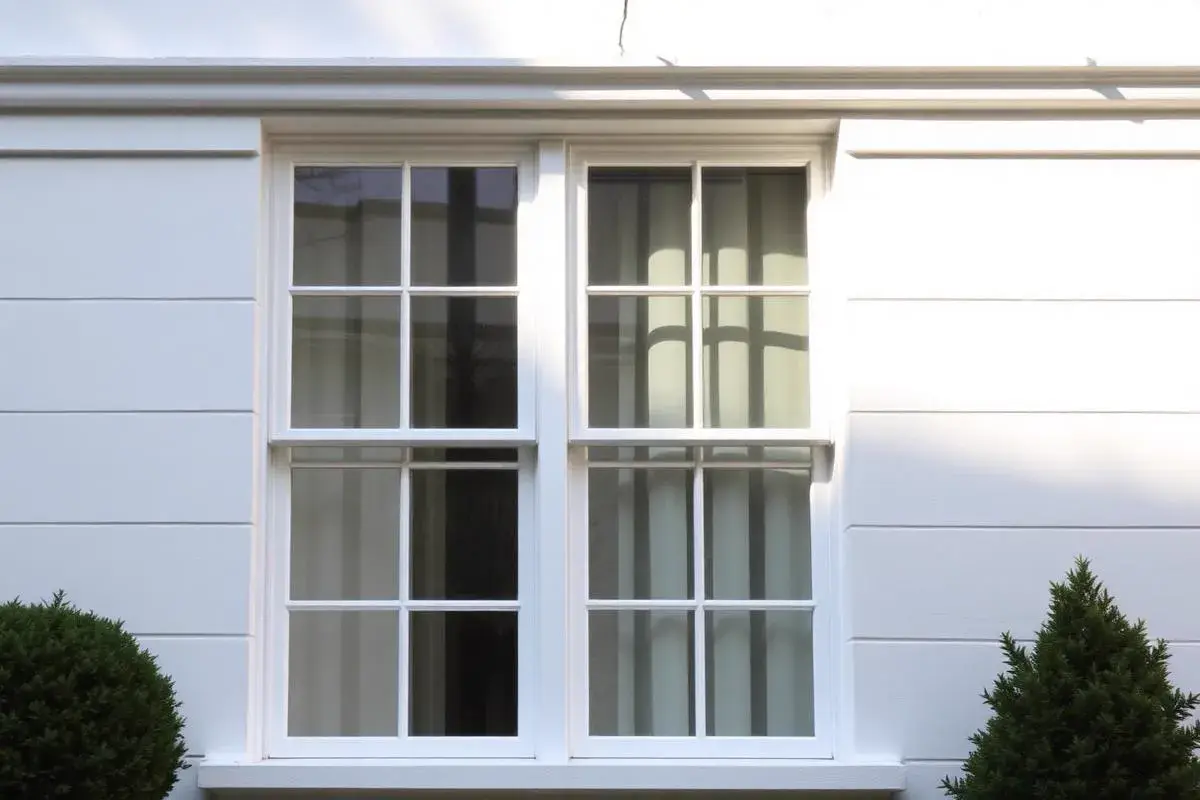
Acoustic secondary glazing in Ealing can add a sealed inner pane behind the original windows of an Edwardian semi or Victorian terrace. For W5, W7 or W13, we examine glass choice, cavity size and ventilation instead of promising one universal aircraft-noise result.
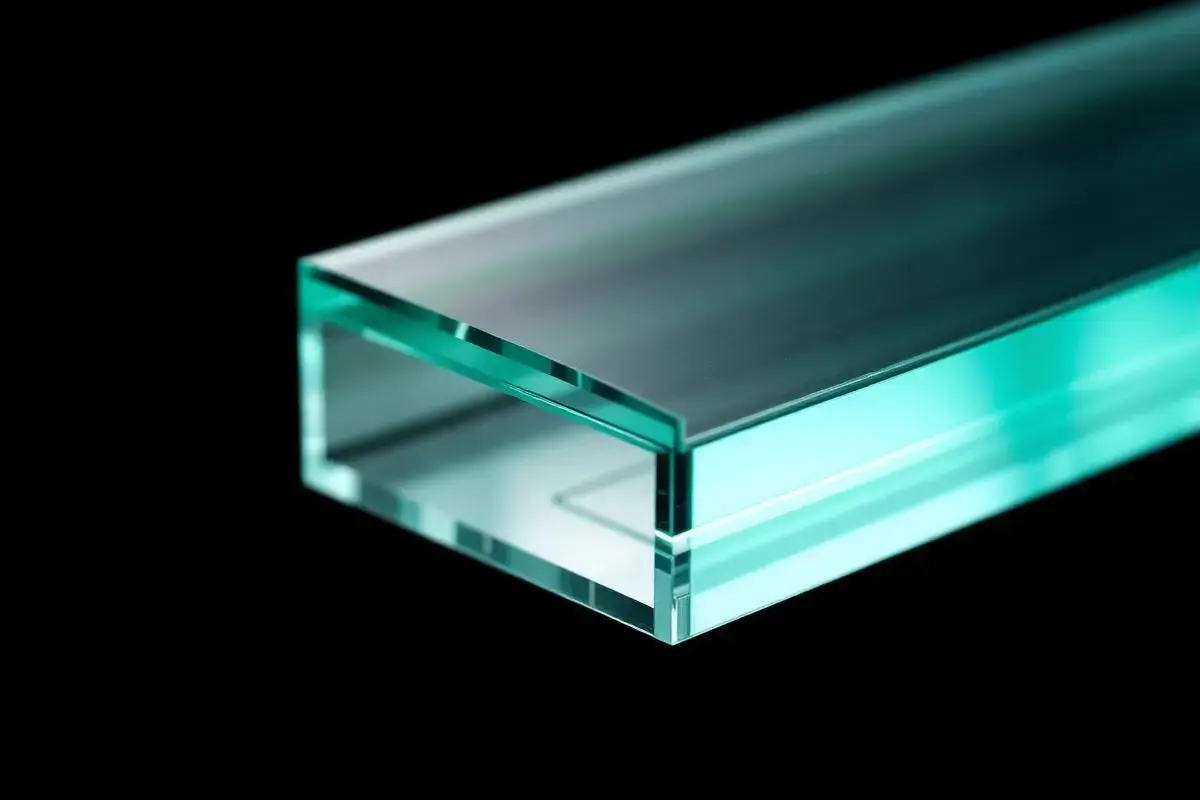
The proposal should identify the important sound paths and explain any variation between front and rear windows. Do not assume that an aircraft-focused glass label guarantees quiet indoors. The installed system and surrounding façade set the practical limits.
Understand the limits before comparing quotes
Aircraft passages are intermittent and exposure changes with location and operating conditions. Record the room and the events you find intrusive rather than assume a fixed flight-path decibel figure. Sound can also enter through the roof, walls or ventilation. A property assessment should consider those routes before predicting what an additional window barrier could achieve.
Read our aircraft noise guidance for the wider principles. Laboratory insulation figures cannot simply be subtracted from an outdoor sound reading to guarantee an indoor level. Ask which test or assessment supports any performance estimate and what conditions it assumes.
Prepare a useful enquiry
💷 Wondering about costs?
Use our calculator to get an instant estimate for your windows. Try the cost calculator →
- Give your postcode and identify the room you want quieter.
- Include the number of windows and photographs of the full openings.
- Describe the sound, its timing and whether it changes with the windows closed.
- Flag shutters, ventilation, awkward access or protected-building requirements.
Compare the written scope for glass, frame, opening style, preparation and fitting rather than only the headline price. Visit London secondary glazing pricing for the current starting costs, then request a free survey for your Ealing property.
Continue your local research
Return to the secondary glazing London local guides or read Richmond window guidance. Nearby articles illustrate related decisions; they do not establish noise levels at your address.
Frequently Asked Questions
Solutions covered in this guide
Go straight to the dedicated London landing page for the system or property type discussed above.
- Railway & Tube noise secondary glazingLow-frequency rumble control with heavier laminate and deeper air gaps.
- Aircraft noise secondary glazingFlight-path specifications for Heathrow and City Airport approach corridors.
- Secondary glazing for sash windowsPurpose-built systems for London box sash windows — specs, prices and heritage detailing.
- Sliding secondary glazingHorizontal and vertical sliders for sash and casement windows — up to 51dB with full ventilation access.
Sources & References
Authoritative sources supporting the information on this page.
- British Standards Institution (2014). Guidance on sound insulation and noise reduction for buildings (BS 8233:2014). BSI Standards.
Sets the recommended internal noise levels for bedrooms and living rooms used to judge how much glazing performance a home needs.
- HM Government (2015). Approved Document E: Resistance to the passage of sound. The Building Regulations 2010.Open source
The statutory guidance on sound insulation in dwellings in England.
- British Standards Institution (2020). Acoustics: Rating of sound insulation in buildings and of building elements, Part 1: Airborne sound insulation (BS EN ISO 717-1). BSI Standards.
Defines the Rw and Rw+Ctr ratings used to compare the acoustic performance of glazing systems.
- British Standards Institution (2019). Glass in building: Glazing and airborne sound insulation (BS EN 12758). BSI Standards.
Describes how the sound insulation of glass types, including acoustic laminates, is characterised.
- Historic England (2016). Energy Efficiency and Historic Buildings: Secondary Glazing for Windows. Historic England.Open source
Technical advice on choosing and installing secondary glazing in older and listed buildings.
"We can actually sleep now. The 10.8mm glass made all the difference."
— Sarah M., Kensington
Planning a project?
Get an instant estimate with our Secondary Glazing Cost Calculator or Book a Professional Sound Survey.
Related services & guides
Move beyond the blog: jump straight to the matching service pages, cost tools and technical guides that go deeper on this topic.
- Specialist acoustic glazing service
The full acoustic glazing menu with dB targets and pricing.
- Transparent London secondary glazing pricing
Fixed 2026 prices per window with no hidden extras.
- ROI & payback calculator
Instant estimate for your window count, glass spec and property type.
- Request a free bespoke quote
Same-week written quote based on your exact requirements.