
How to Reduce Railway Noise in Your Home
Living near a railway line doesn't have to mean sleepless nights and constant stress. If you're dealing with train noise disrupting your peace, you're not alone – and more importantly, there are proven solutions that can transform your home into the quiet sanctuary you deserve.
Whether it's the rumble of freight trains at 3am, the screech of brakes during rush hour, or the constant vibration that seems to shake your very foundations, railway noise presents unique challenges that standard soundproofing often can't handle. But with the right approach, you can dramatically reduce these disturbances and reclaim your quality of life.
Understanding Railway Noise: More Than Just Sound
Railway noise isn't just about volume – it's a complex combination of airborne sound and ground-borne vibration that makes it particularly difficult to manage. Unlike road traffic, which produces relatively consistent noise levels, trains create sudden peaks that can jolt you awake, followed by low-frequency rumbles that penetrate through traditional windows and walls.
Typical Railway Noise Levels:
- Passenger trains: 70-85dB at 25 meters distance
- Freight trains: 85-95dB due to heavier loads and older equipment
- Underground trains: Low-frequency rumbles that travel through ground into building structures
- Emergency sirens on trains: Can spike to 105dB or higher (chainsaw level)
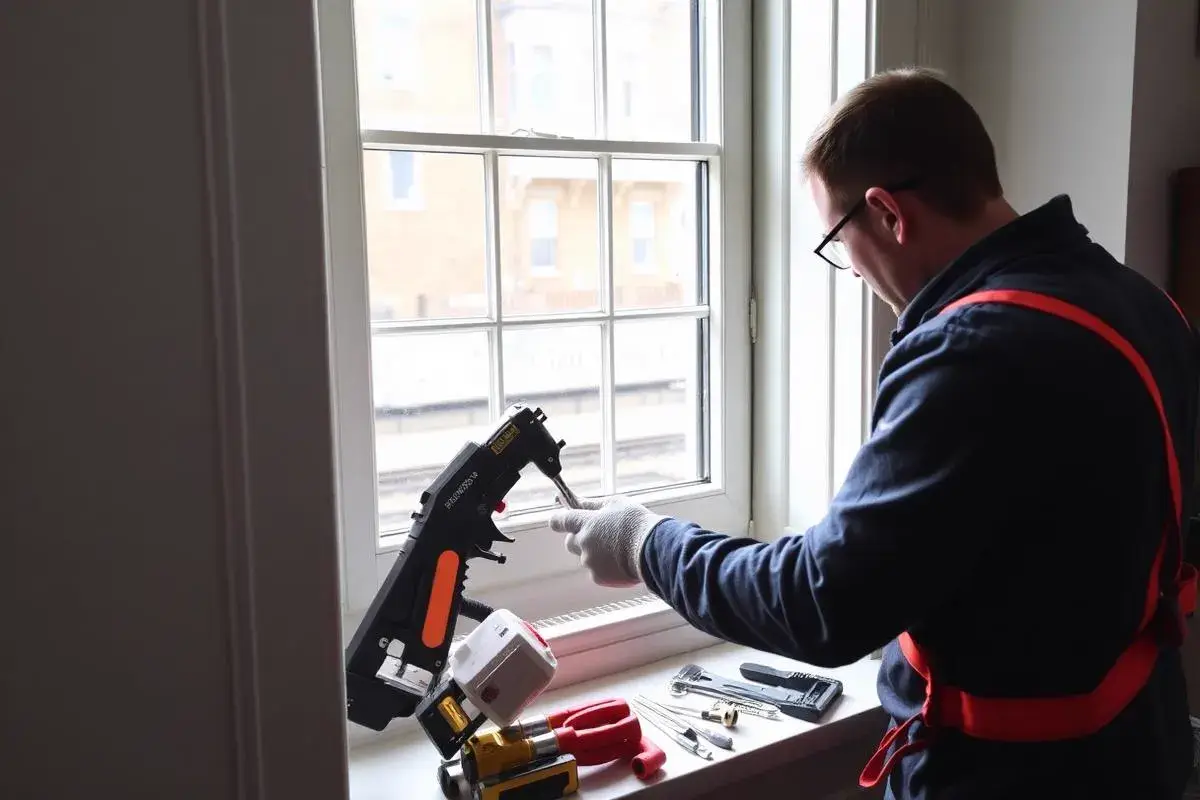
The most disruptive aspect? Emergency vehicle sirens on trains can spike to 105dB or higher – that's the level of a chainsaw. However, as demonstrated in our recent case study, proper secondary glazing reduced emergency siren noise from 105dB to just 65dB, proving that even these extreme peaks can be managed effectively.
The Health Impact of Railway Noise
The effects of living with constant train noise go far beyond mere annoyance. Sleep disruption is the most immediate concern, but the impacts cascade through every aspect of your health and wellbeing:
Sleep Quality
Even if you think you've "gotten used to" train noise, your sleep cycles are likely still being disrupted. Noise events above 45dB can fragment sleep patterns, leading to fatigue, poor concentration, and weakened immune function.
Stress and Mental Health
The unpredictable nature of train schedules keeps your nervous system in a state of alertness. This chronic stress response can lead to anxiety, depression, and cardiovascular problems.
Property Values
Homes near railway lines typically suffer a 10-20% reduction in value. Effective noise reduction isn't just about comfort – it's a smart financial investment.
Family Life
When normal conversation requires raising your voice, or when your children's homework is constantly interrupted, the social fabric of your home begins to suffer.
Why Railway Noise Is Particularly Challenging
Railway noise presents several unique challenges that make it harder to control than other environmental sounds:
- →Low-Frequency Dominance: Train noise contains significant energy in the 20-200Hz range – frequencies that easily penetrate standard building materials. These low rumbles seem to come from everywhere at once and are notoriously difficult to block.
- →Vibration Transmission: Unlike aircraft or road traffic, trains transmit vibration directly through the ground and into your building's foundation. This creates "secondary airborne noise" inside your home as floors, walls, and windows vibrate and re-radiate sound.
- →Sudden Peak Events: While background rumble might be manageable, the sudden arrival of a train, especially with horn blasts or brake squealing, creates acoustic shocks that can trigger stress responses even during sleep.
- →24-Hour Operations: Many railway lines, particularly those carrying freight, operate around the clock. There's no "quiet period" for your nervous system to fully relax and recover.
Distance and Location: Why Every Meter Matters
Your exact location relative to the railway line dramatically affects both the type and intensity of noise you experience:
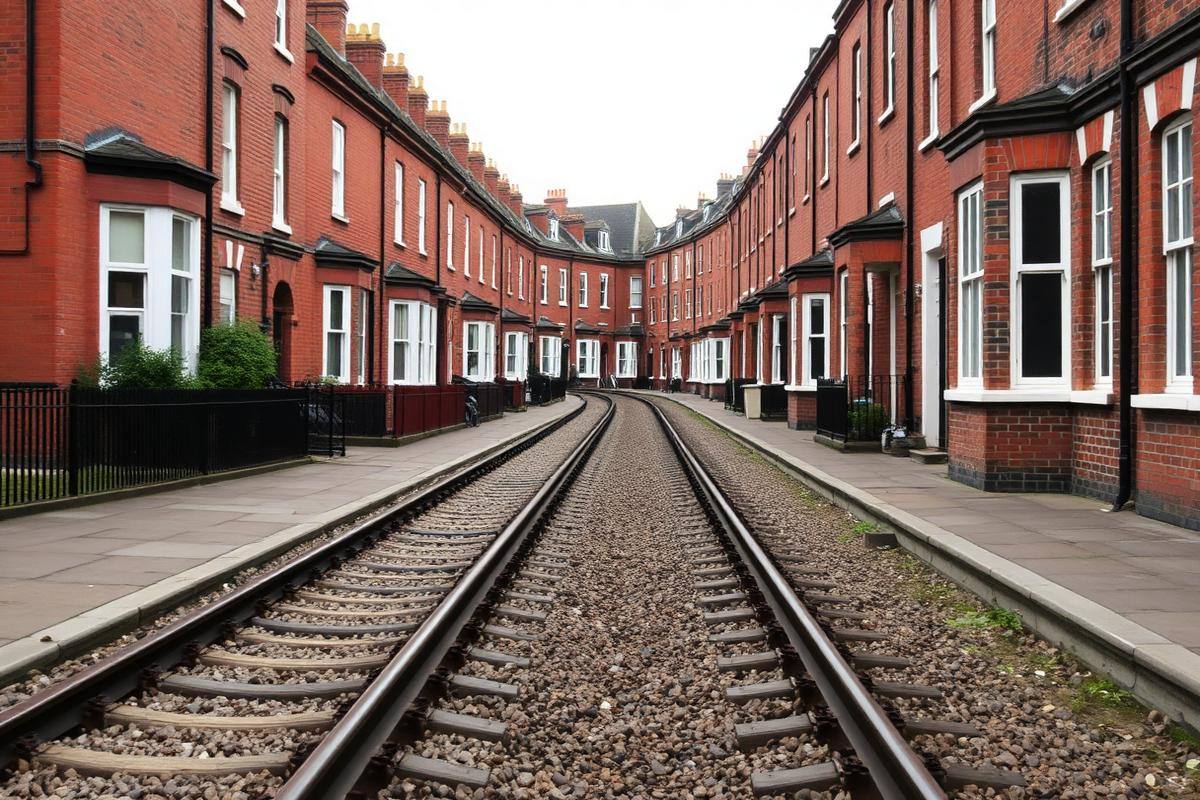
- Direct Line of Sight (0-100m): If you can see the tracks from your windows, you're experiencing the full impact of both airborne noise and ground vibration. Noise levels can exceed 85dB during train passage.
- Partially Shielded (100-300m): Natural barriers like buildings or landscape features may reduce direct sound, but low-frequency rumble and ground vibration remain significant issues.
- Elevated Properties: Higher floors often experience more airborne noise as sound travels further without ground absorption, but less vibration transmission.
- Track Configuration: Curves, inclines, and junctions create additional noise from wheel squeal and traction systems. Properties near these features face even greater challenges.
Understanding your specific situation is crucial for developing an effective solution. Our acoustic consultancy service can provide detailed analysis of your particular noise environment and vibration patterns.
Secondary Glazing: Your Primary Defense Against Train Noise
When dealing with railway noise, standard double glazing simply isn't enough. The minimal air gap (typically 12-20mm) in sealed units provides limited low-frequency performance, and the rigid coupling between panes can actually transmit vibration more effectively.
Secondary glazing with a 150mm air gap transforms your existing windows into highly effective acoustic barriers:
- ✓ Low-frequency absorption: The larger air volume provides natural resonance dampening for train rumbles
- ✓ Vibration isolation: The independent frame prevents vibration transmission from your existing window
- ✓ Peak noise handling: Sudden acoustic shocks are absorbed and dissipated before reaching your living space
The effectiveness is remarkable. In our traffic noise case study, we achieved a reduction from 68dB to 35dB – a 90% reduction in perceived loudness. The same principles apply to railway noise, with even greater benefits for low-frequency control.
Our residential secondary glazing service specializes in railway-affected properties throughout London and surrounding areas, with installations designed specifically for the unique frequency characteristics of train noise.
Additional Measures for Complete Railway Noise Control
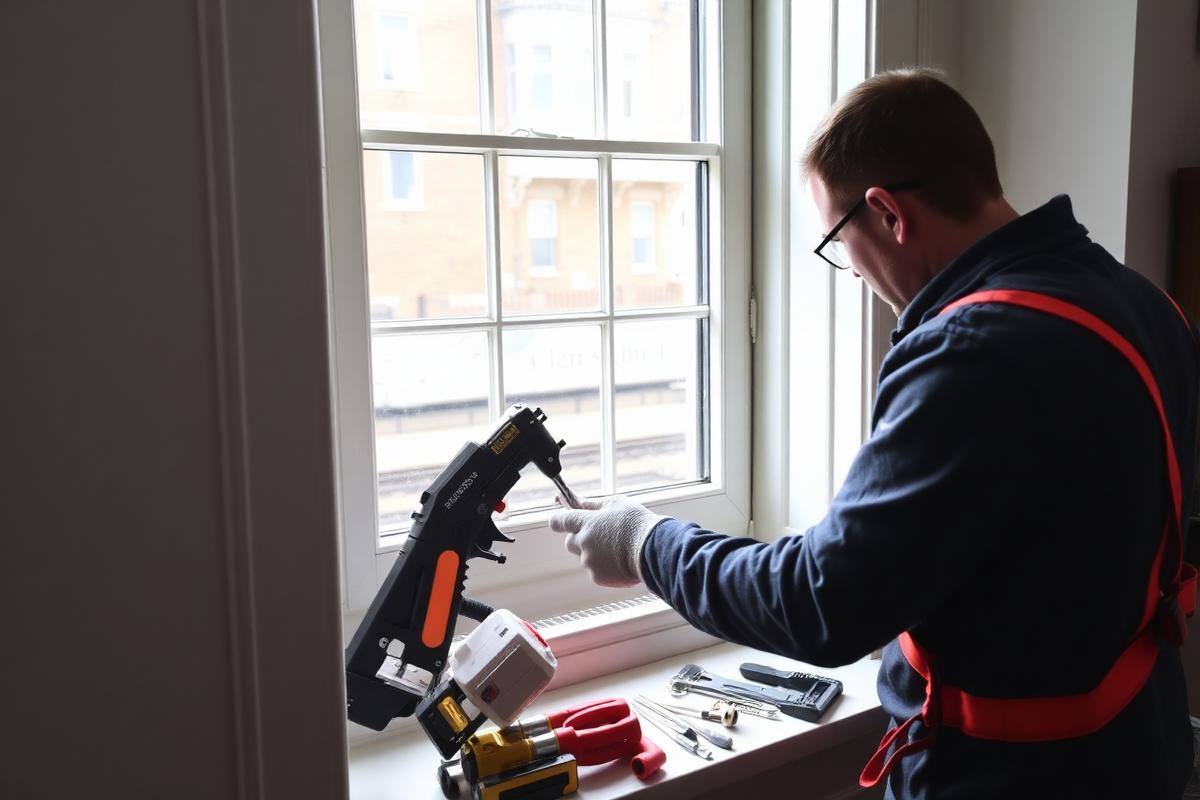
While secondary glazing addresses the primary transmission path through windows, a comprehensive approach tackles all potential weak points:
- •Heavy Thermal Curtains: Dense, multi-layered curtains create an additional acoustic barrier and help control the acoustic environment within the room.
- •Door Seals and Acoustic Doors: External doors often have significant gaps that allow noise infiltration. Proper sealing and acoustic-rated doors make a substantial difference.
- •Wall and Ceiling Treatment: For properties very close to railway lines, additional wall insulation or acoustic plasterboard can address noise transmission through solid structures.
- •Floor Isolation: In extreme cases where ground vibration is severe, floating floor systems can isolate your living space from structural vibration.
- •Ventilation Considerations: Acoustic ventilation systems allow fresh air while maintaining the acoustic integrity of your noise control measures.
Planning and Listed Building Considerations
Many railway-adjacent properties are Victorian or Edwardian buildings, often located in conservation areas or carrying listed status. The good news is that secondary glazing doesn't require planning permission in most cases, making it an ideal solution for heritage properties.
Unlike replacement windows, secondary glazing:
- ✓ Preserves original window appearance from outside
- ✓ Doesn't alter the building's character or facade
- ✓ Can be easily removed if necessary
- ✓ Provides superior acoustic performance to any replacement option
For listed buildings facing railway noise challenges, our heritage building specialists provide detailed information on heritage-compliant solutions.
Real-World Results: What You Can Expect
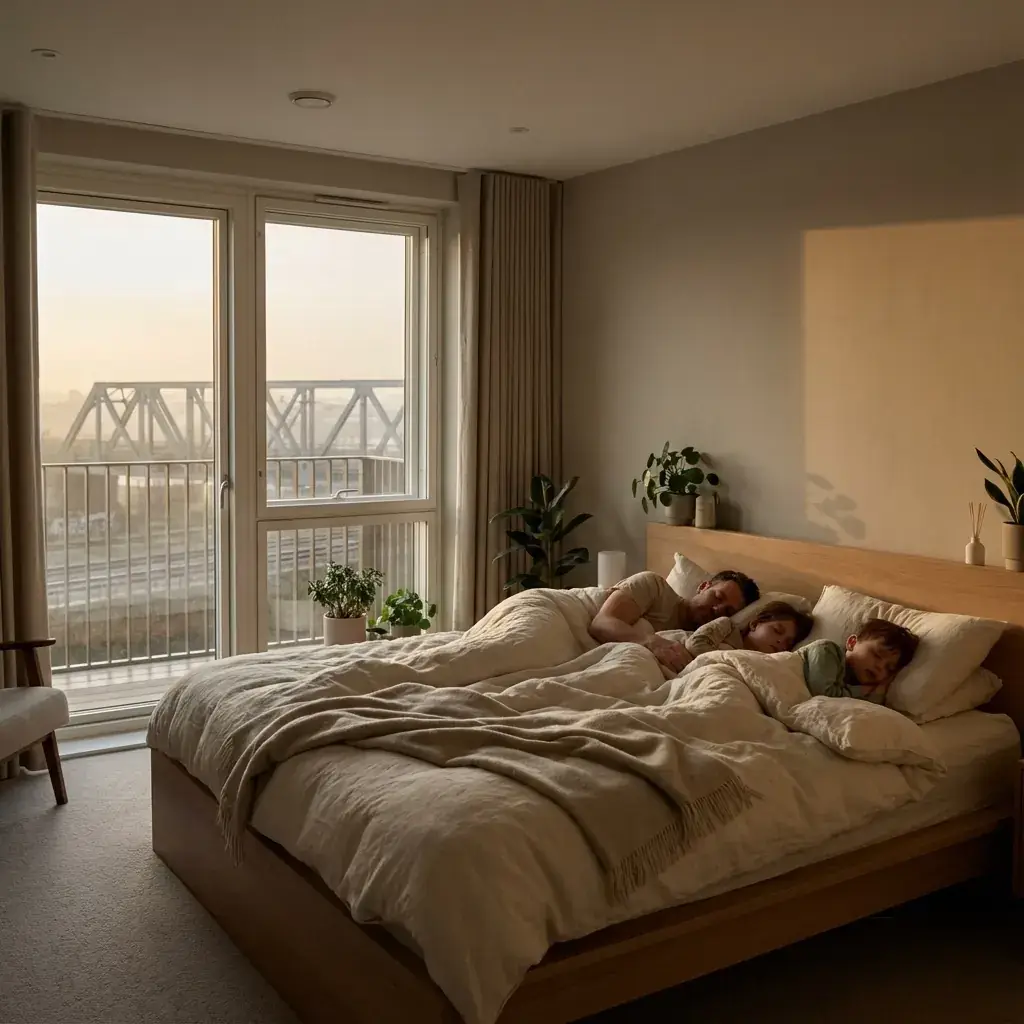
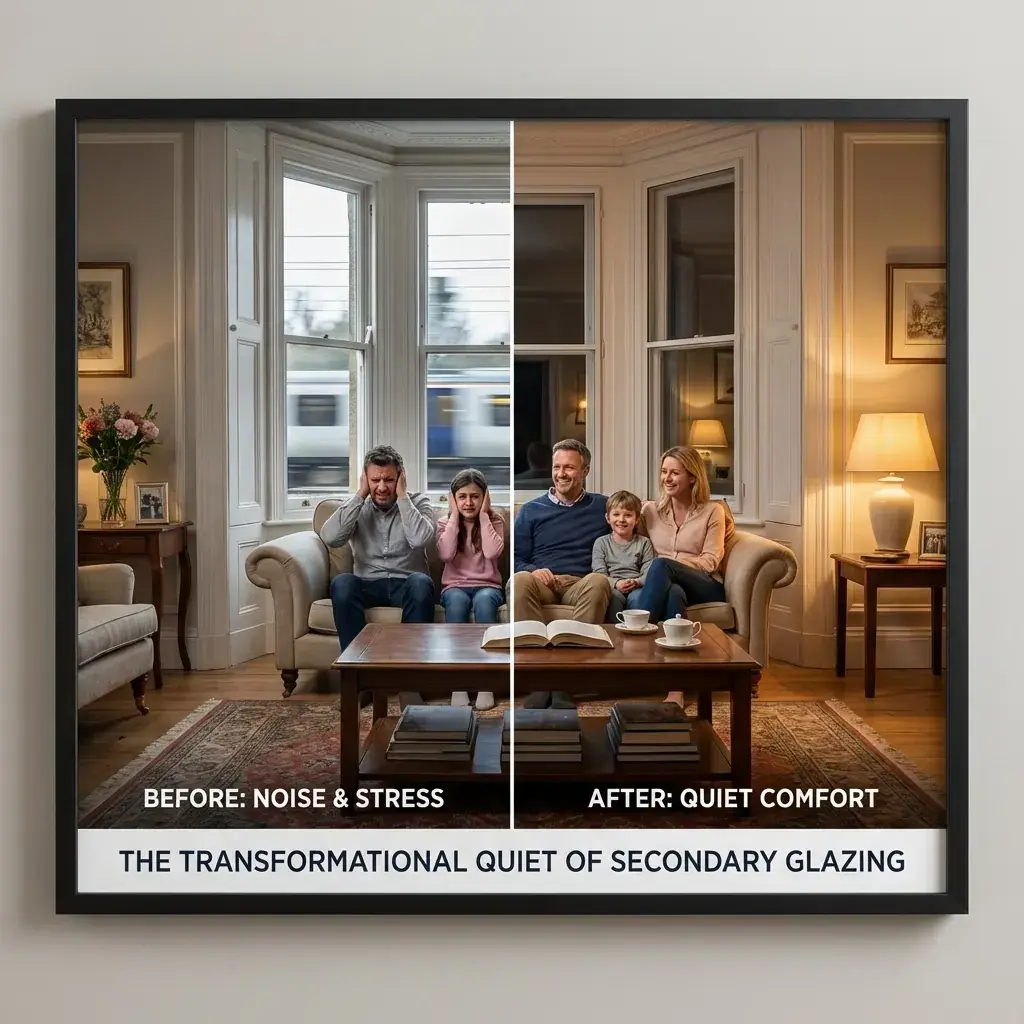
The transformation in quality of life following proper railway noise treatment is often immediate and dramatic. Clients regularly report:
Uninterrupted sleep for the first time in years
Peaceful conversation without raising voices
Stress reduction from constant acoustic vigilance
Improved property value and marketability
The technical specifications that achieve these results are detailed in our comprehensive case studies, showing exact before-and-after measurements across different noise scenarios.
Taking Action: Your Next Steps
Railway noise doesn't have to be a permanent fixture of your home life. With proper acoustic treatment, you can achieve the peace and quiet you deserve while preserving your property's character and value.
- Start with a professional assessment: Every railway noise situation is unique, requiring tailored solutions based on your specific acoustic environment, building characteristics, and noise exposure patterns.
- Consider the complete acoustic pathway: Windows are typically the weakest link, but a comprehensive evaluation ensures no transmission paths are overlooked.
- Invest in proven solutions: Cheap soundproofing attempts often fail with railway noise. Professional-grade secondary glazing with proper specifications delivers guaranteed results.
Don't let another sleepless night go by – effective railway noise reduction is closer than you think.
Ready to Stop Railway Noise?
Get a free acoustic assessment and discover how quiet your home could be.
Call us on 0207 060 1572 or WhatsApp 07999 333533
Related guides
Explore the dedicated London landing pages for the systems and property types covered above.
- Railway & Tube noise secondary glazingLow-frequency rumble control with heavier laminate and deeper air gaps.
- Secondary glazing for sash windowsPurpose-built systems for London box sash windows — specs, prices and heritage detailing.
- Sliding secondary glazingHorizontal and vertical sliders for sash and casement windows — up to 51dB with full ventilation access.
- Secondary glazing for listed buildingsFully reversible, consent-friendly specifications for Grade I and Grade II properties.