Noise Science Blog
Expert articles on London noise pollution, decibel safety and the acoustic science behind secondary glazing. Find practical guidance for homeowners dealing with traffic, rail and aircraft noise.
Noise science articles
Noise Pollution in London: Health Effects & What Helps
How chronic traffic, rail and aircraft noise affects sleep, stress and cardiovascular health in London homes, the WHO guideline levels, and practical ways to reduce indoor exposure.
Decibel Levels Explained: dB Safety Guide for Homes
A plain-English decibel guide: why the dB scale is logarithmic, what 30–90 dB actually sounds like, safe exposure levels for hearing, and how much reduction glazing can deliver.
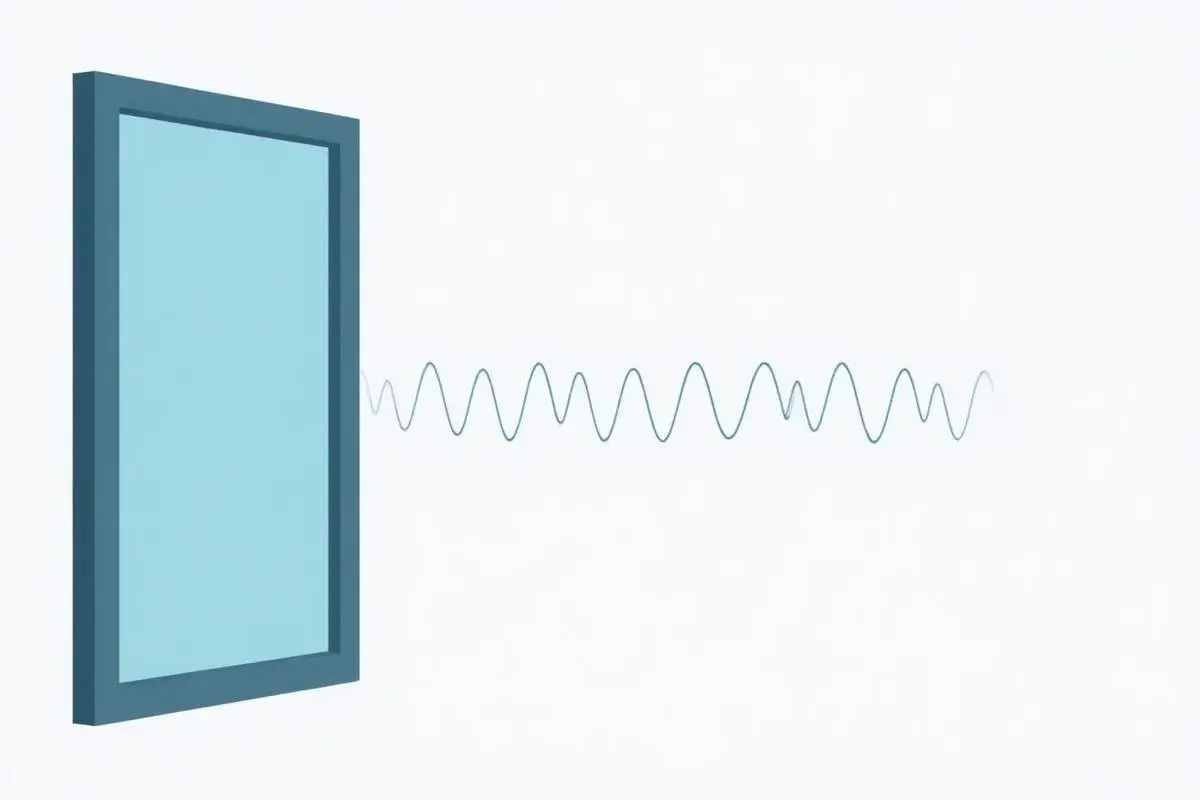
How Glazing Reduces Noise: The Science Explained
The physics of quiet windows: why glass mass, deep 100–200mm air gaps, decoupled panes and acoustic seals cut traffic and rail noise, and why secondary glazing beats standard double glazing.
Want a bespoke noise assessment for your home?
Use the noise profile tool to estimate your indoor level, or request a free sound survey for a measured report and tailored glazing specification.
Related guides
Explore the dedicated London landing pages for the systems and property types covered above.
- Secondary glazing for sash windowsPurpose-built systems for London box sash windows — specs, prices and heritage detailing.
- Sliding secondary glazingHorizontal and vertical sliders for sash and casement windows — up to 51dB with full ventilation access.
- Secondary glazing for listed buildingsFully reversible, consent-friendly specifications for Grade I and Grade II properties.
- Traffic noise secondary glazingSpecs matched to road-noise frequency profiles on London’s busiest streets.