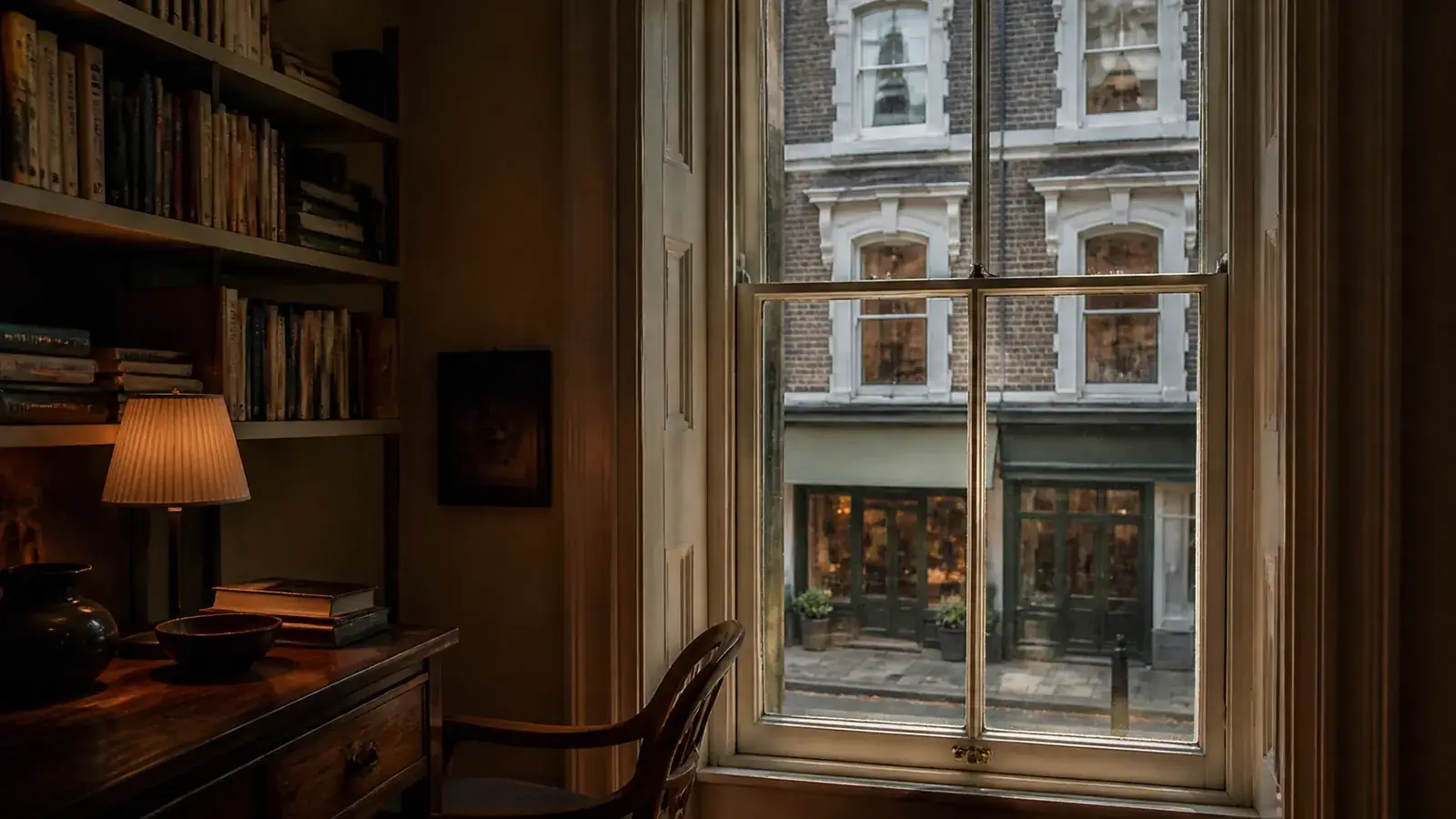
Sliding Secondary Glazing vs Hinged vs Fixed: Which Opening Style Is Right for Your London Windows?
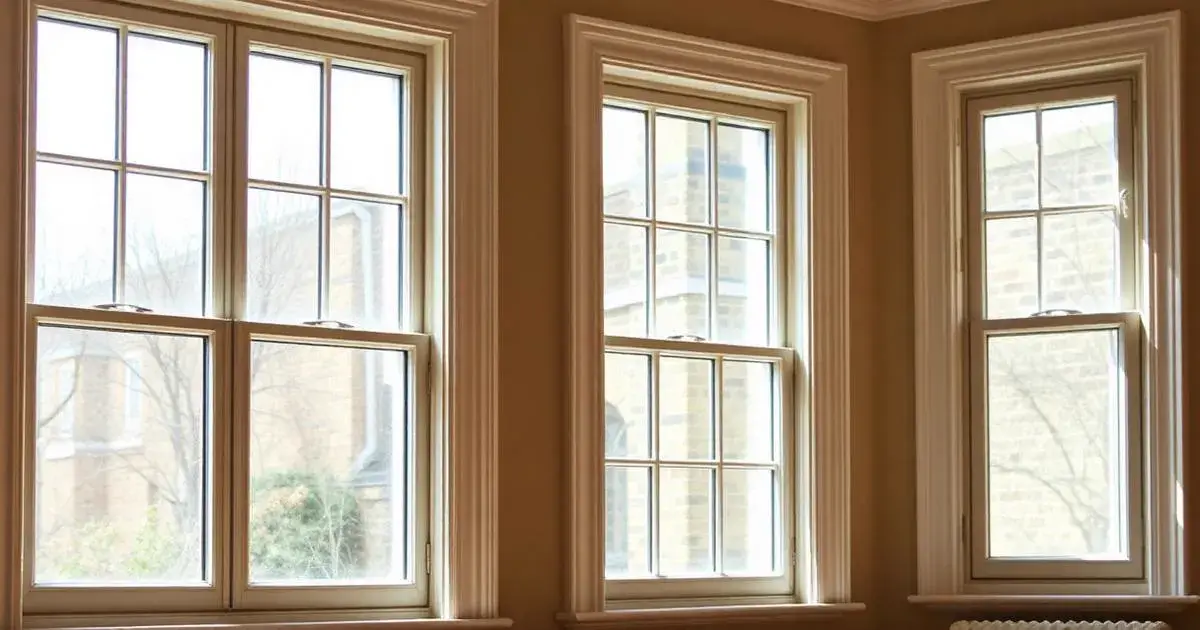
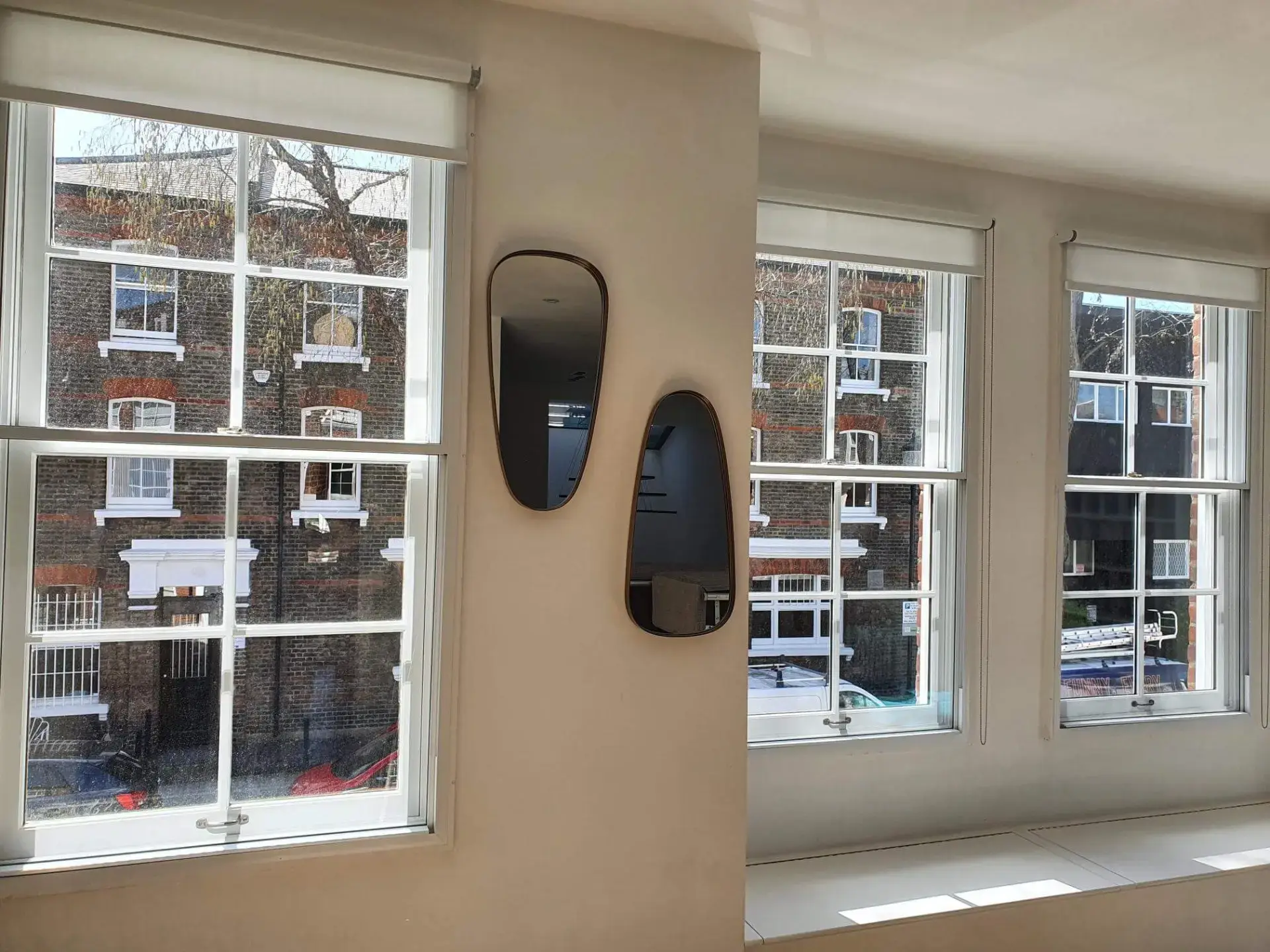
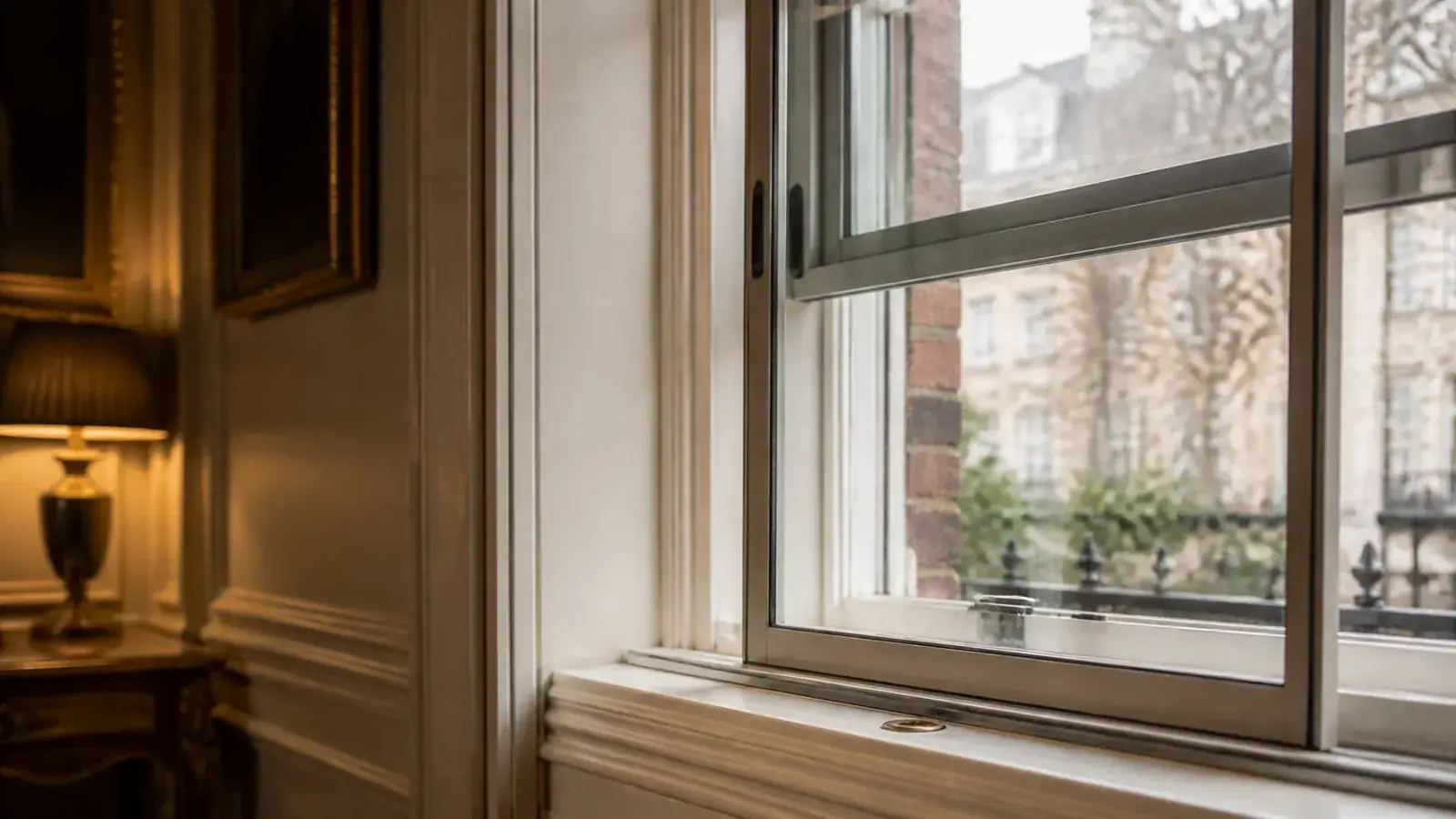
Sliding secondary glazing is the default opening style for the vast majority of London installations — and for good reason. It mirrors the movement of a traditional timber sash window, needs no swing clearance into the room, and keeps sightlines almost identical to the original. But sliding is not the only choice, and picking the wrong opening style can quietly cost you both dB reduction and daily convenience.
This guide compares the four opening styles specialist installers offer in London — vertical sliding, horizontal sliding, hinged (side or top-hung), and fixed — on acoustic performance, price, ventilation and cleaning access.
Vertical sliding secondary glazing
The natural partner to a timber sash window. Two glazed panels slide vertically on brass or nylon runners, matching the operation of the original sash. Popular in Georgian, Victorian and Edwardian properties across Kensington, Chelsea, Islington and Hampstead.
- Acoustic performance: Up to 52-54dB with 10.8mm laminated glass and twin EPDM seals.
- Cost: £550-£750/window fitted (see pricing).
- Best for: Sash windows, tall reveals, rooms where you want to open the top or bottom for ventilation.
Horizontal sliding secondary glazing
🏛️ Living in a listed building or conservation area?
See how we navigate planning permission and protect your heritage windows. Read our conservation area guide →
Two or more glazed panels slide horizontally on a track. Ideal for wide casement windows, wide bay windows, and commercial installations where a vertical sash pattern would look wrong.
- Acoustic performance: Up to 50-52dB with 10.8mm laminated glass.
- Cost: £500-£700/window fitted.
- Best for: Modern casements, wide picture windows, bays, home offices, retail units.
Hinged (side- or top-hung) secondary glazing
A single glazed panel hinged on the side or top, closing against a compression seal. Because there is no sliding track to compromise the seal, hinged units can deliver the highest possible acoustic performance for a given glass spec.
- Acoustic performance: Up to 54dB — the peak for secondary glazing.
- Cost: £480-£650/window fitted.
- Best for: Narrow windows, bedrooms and studios where absolute noise reduction matters, windows behind radiators (top-hung).
Fixed secondary glazing
A single non-opening glazed panel. Used where the original window is never opened (stairwells, landings, listed windows sealed for conservation reasons) or where absolute acoustic sealing is critical.
- Acoustic performance: Up to 54dB — matches hinged.
- Cost: £420-£580/window fitted (the cheapest option).
- Best for: Stairwells, landings, high-level windows, rooms where the original sash provides all needed ventilation.
Which opening style should you actually choose?
💷 Wondering about costs?
Use our calculator to get an instant estimate for your windows. Try the cost calculator →
A quick decision rule based on 15 years of London installs:
- Timber sash window you still want to operate → vertical sliding.
- Wide casement or bay → horizontal sliding.
- Absolute maximum dB in a narrow bedroom → hinged.
- Window you never open (stairwell, high-level) → fixed.
Most London projects end up mixing two or three styles across a single property — sliding in the principal rooms, hinged in bedrooms, fixed on the stairwell. Our residential secondary glazing service covers all four opening types, and every free survey includes a per-room recommendation.
Request a free per-window quote and we will specify the right opening style for each room in your property.
Frequently Asked Questions
Solutions covered in this guide
Go straight to the dedicated London landing page for the system or property type discussed above.
- Sliding secondary glazingHorizontal and vertical sliders for sash and casement windows — up to 51dB with full ventilation access.
- Hinged secondary glazingSide-hung leaves that swing clear of the reveal for full window access and cleaning.
- Lift-out secondary glazingThe most discreet, highest-sealing option for rarely-opened heritage windows.
- Secondary glazing for sash windowsPurpose-built systems for London box sash windows — specs, prices and heritage detailing.
Sources & References
Authoritative sources supporting the information on this page.
- British Standards Institution (2014). Guidance on sound insulation and noise reduction for buildings (BS 8233:2014). BSI Standards.
Sets the recommended internal noise levels for bedrooms and living rooms used to judge how much glazing performance a home needs.
- Greater London Authority (2021). The London Plan 2021, Policy D14: Noise. Mayor of London.Open source
The London planning policy on reducing, managing and mitigating noise in homes across the capital.
- World Health Organization Regional Office for Europe (2018). Environmental Noise Guidelines for the European Region. World Health Organization.Open source
Evidence-based guideline levels for road, rail and aircraft noise and their links to sleep disturbance and health.
- HM Government (2015). Approved Document E: Resistance to the passage of sound. The Building Regulations 2010.Open source
The statutory guidance on sound insulation in dwellings in England.
- British Standards Institution (2020). Acoustics: Rating of sound insulation in buildings and of building elements, Part 1: Airborne sound insulation (BS EN ISO 717-1). BSI Standards.
Defines the Rw and Rw+Ctr ratings used to compare the acoustic performance of glazing systems.
"Brilliant installation — completely invisible from outside. Conservation officer approved."
— David L., Westminster
Planning a project?
Get an instant estimate with our Secondary Glazing Cost Calculator or Book a Professional Sound Survey.
Related services & guides
Move beyond the blog: jump straight to the matching service pages, cost tools and technical guides that go deeper on this topic.
- Specialist acoustic glazing service
The full acoustic glazing menu with dB targets and pricing.
- Transparent London secondary glazing pricing
Fixed 2026 prices per window with no hidden extras.
- ROI & payback calculator
Instant estimate for your window count, glass spec and property type.
- Request a free bespoke quote
Same-week written quote based on your exact requirements.
Related Articles
Secondary Glazing for Bedrooms: The Soundproofing Treatment for Better Sleep
Sliding Secondary Glazing London: The Complete Guide to the Most Popular System