
Sash Window Noise Reduction: The Complete Guide for Period Properties
Transform your Victorian, Georgian, or Edwardian property from a noise nightmare into a peaceful sanctuary while preserving every heritage detail.
If you own a beautiful Victorian, Georgian, or Edwardian property with original sash windows, you already know the dilemma: these stunning period features are architectural treasures that define your home's character—but they're absolutely terrible at keeping noise out.
The good news? Secondary glazing offers the perfect solution, reducing noise by up to 54dB while preserving every detail of your heritage windows. Here's everything you need to know about transforming your period property from a noise nightmare into a peaceful sanctuary.
Why Sash Windows Are Acoustically Awful (But We Love Them Anyway)
Original sash windows were designed in an era when the loudest street noise was horse-drawn carriages. Today's traffic, construction, and urban din create challenges these beautiful windows simply can't handle.
The acoustic problems with sash windows include:
- Massive gaps everywhere – Between sashes, around the frame, where the meeting rails join
- Single-pane glass – Usually just 3-4mm thick, offering virtually no sound barrier
- Loose-fitting frames – Centuries of settling means gaps that let sound pour through
- Rattling components – Worn sash cords and loose fittings actually amplify vibrations
- No acoustic sealing – Original hemp rope and putty glazing were never designed for soundproofing
The result? Sound Transmission Class (STC) ratings of just 20-25, compared to modern double glazing's 35+ rating. In practical terms, your beautiful sash windows let through almost three times more noise than contemporary alternatives.
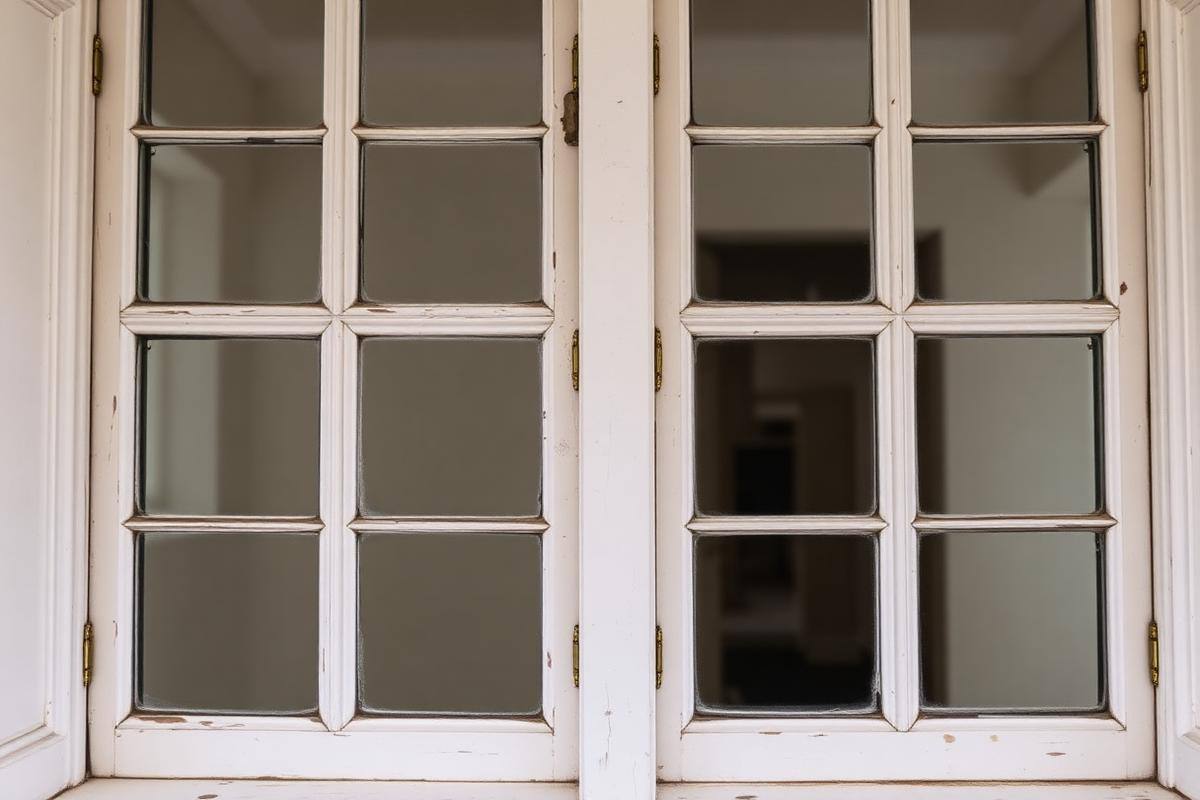
The Heritage Constraint: Why You Can't Just Replace Them
For most period property owners, replacing original sash windows isn't even an option:
Listed buildings require conservation officer approval for any alterations, and replacing original windows is typically refused outright. Even in conservation areas, planning permission for modern replacements is increasingly rare.
Property value is directly tied to original features. Estate agents consistently report that properties with authentic period windows command higher prices than those with modern replacements.
Character and charm – There's simply no modern equivalent to the elegant proportions, slim glazing bars, and authentic details of original sash windows.
This creates the perfect storm: windows you must keep but that make your home uncomfortably noisy. Enter secondary glazing.
How Secondary Glazing Transforms Sash Windows
Secondary glazing works by adding a completely separate pane of glass on the inside of your existing window, creating an insulating air gap that dramatically improves acoustic performance.
For sash windows specifically, secondary glazing offers:
- No alteration to original windows – Your heritage features remain completely untouched
- Dramatic noise reduction – Up to 70% reduction in perceived sound levels
- Perfect aesthetic match – Quality systems are virtually invisible when closed
- Retained functionality – You can still open and close your original sash windows behind the secondary glazing
The science is straightforward: sound waves lose energy crossing the air gap between the two glass panes. The larger the gap (typically 100-200mm), the better the acoustic performance. Research shows that properly installed secondary glazing can reduce traffic noise significantly—a 90% reduction in perceived loudness.
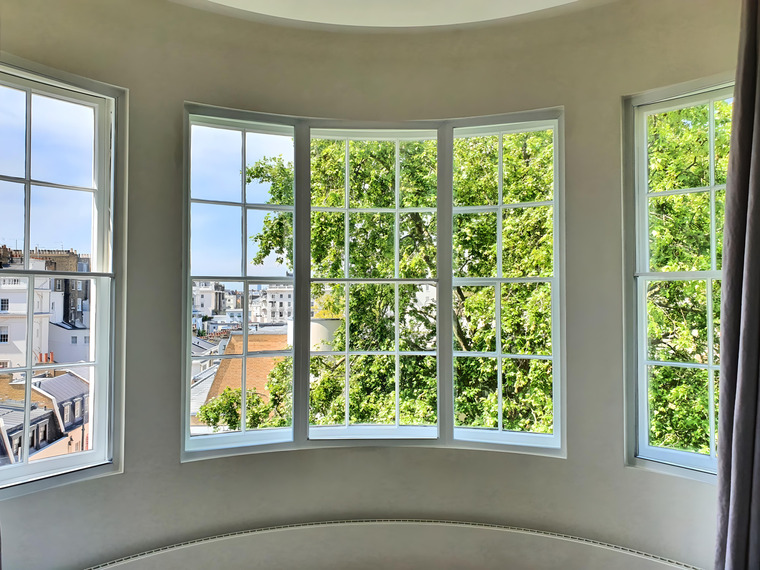
The Triple Benefit: Noise, Heat, and Draughts
While noise reduction might be your primary concern, secondary glazing delivers three major improvements:
Acoustic improvement – Reducing noise by 30-45dB depending on glass type and air gap size
Thermal performance – Cutting heat loss by up to 60%, dramatically reducing heating bills
Draught elimination – Sealing those period-appropriate but energy-wasting gaps that make rooms uncomfortable
For period property owners dealing with single-glazed sash windows, this combination can transform both comfort and running costs. Many clients report that secondary glazing pays for itself within 3-4 years through energy savings alone.
Mounting Options: Reveal vs Face-Mounted Systems
Secondary glazing for sash windows offers two main installation approaches:
Reveal-mounted systems fit within the window reveal, creating a clean, unobtrusive appearance. This works particularly well with deeper Victorian and Georgian window reveals.
Face-mounted systems attach to the window frame face, suitable for shallower reveals or where maximum acoustic performance is needed. The larger air gap possible with face mounting often delivers superior noise reduction.
Both systems can be designed with openable panels, allowing access to your original sash windows for cleaning or operation. Quality installations are virtually invisible when closed, maintaining the period aesthetic that makes these properties special.
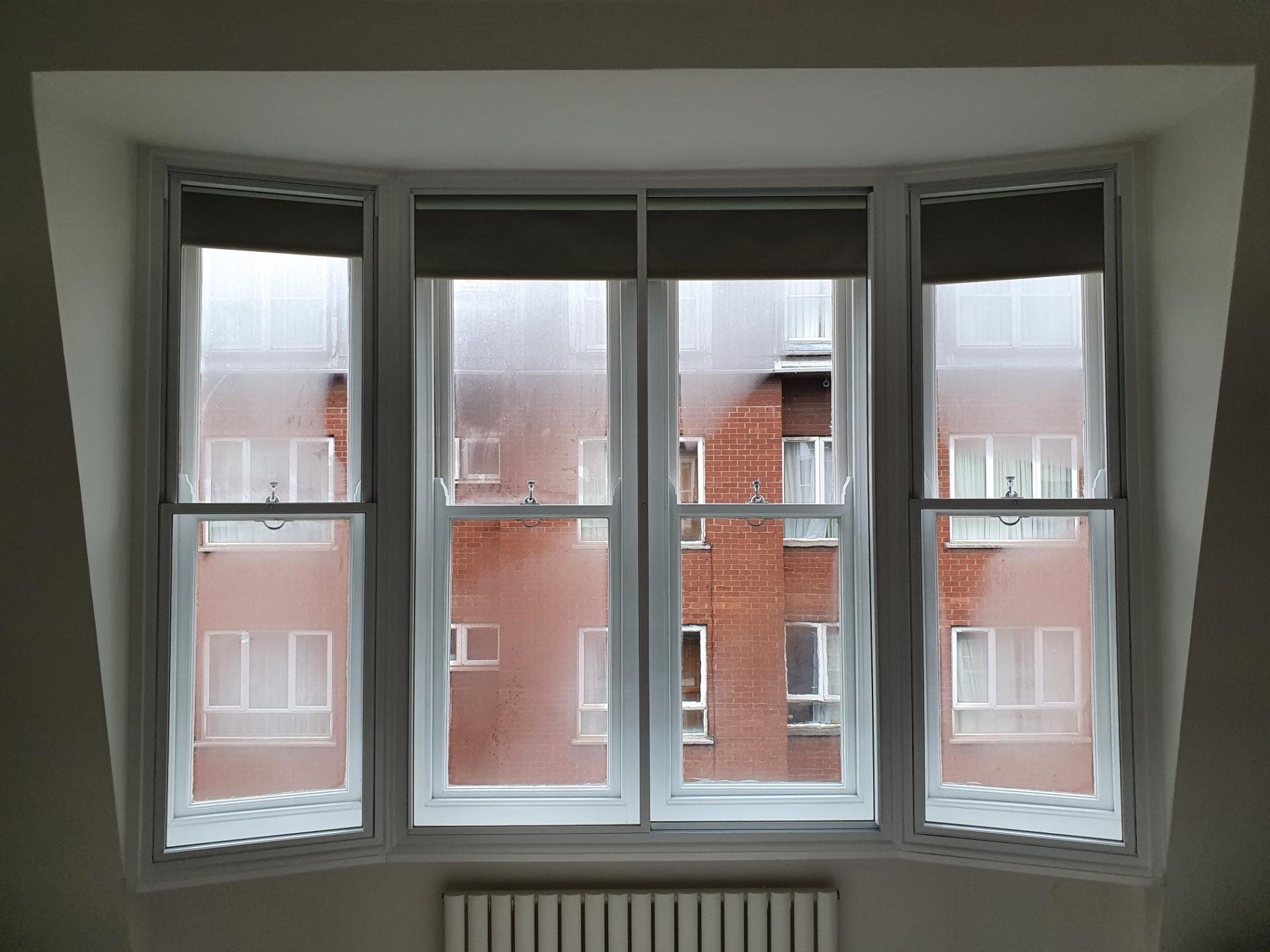
Period Property Examples: From Georgian Elegance to Victorian Grandeur
Georgian properties (1714-1830) typically feature six-over-six or eight-over-eight pane sashes with exceptionally elegant proportions. Secondary glazing preserves these classic glazing patterns while dramatically improving performance.
Victorian properties (1837-1901) often have larger panes and more varied sash configurations. The deeper window reveals common in Victorian houses are perfect for reveal-mounted secondary glazing systems.
Edwardian properties (1901-1910) frequently feature the largest sash windows, making noise infiltration particularly problematic. Secondary glazing's effectiveness increases with window size, making these properties ideal candidates.
Our residential secondary glazing specialists have extensive experience with all period styles, ensuring installations that enhance rather than compromise your property's character.
Cost Comparison: Secondary Glazing vs Window Replacement
The financial case for secondary glazing is compelling:
Quality secondary glazing systems typically cost £300-600 per window, depending on size and specification.
Authentic sash window replacement costs £1,200-2,500+ per window, requires planning permission in most cases, and destroys irreplaceable heritage features.
Modern acoustic windows might achieve similar noise reduction but completely change your property's character and often aren't permitted in conservation areas.
For most period property owners, secondary glazing delivers 80% of the acoustic benefits at 25% of the cost, while preserving the features that make their property special.
Installation Considerations for Heritage Properties
Working with period properties requires specialist expertise. Our secondary glazing installers understand the unique challenges:
- Building regulations compliance for thermal improvements
- Conservation area requirements where applicable
- Structural considerations for older properties
- Aesthetic sensitivity to preserve period character
Many installations can be completed in a single day with minimal disruption. The non-invasive nature means no damage to original features and no lengthy planning applications.
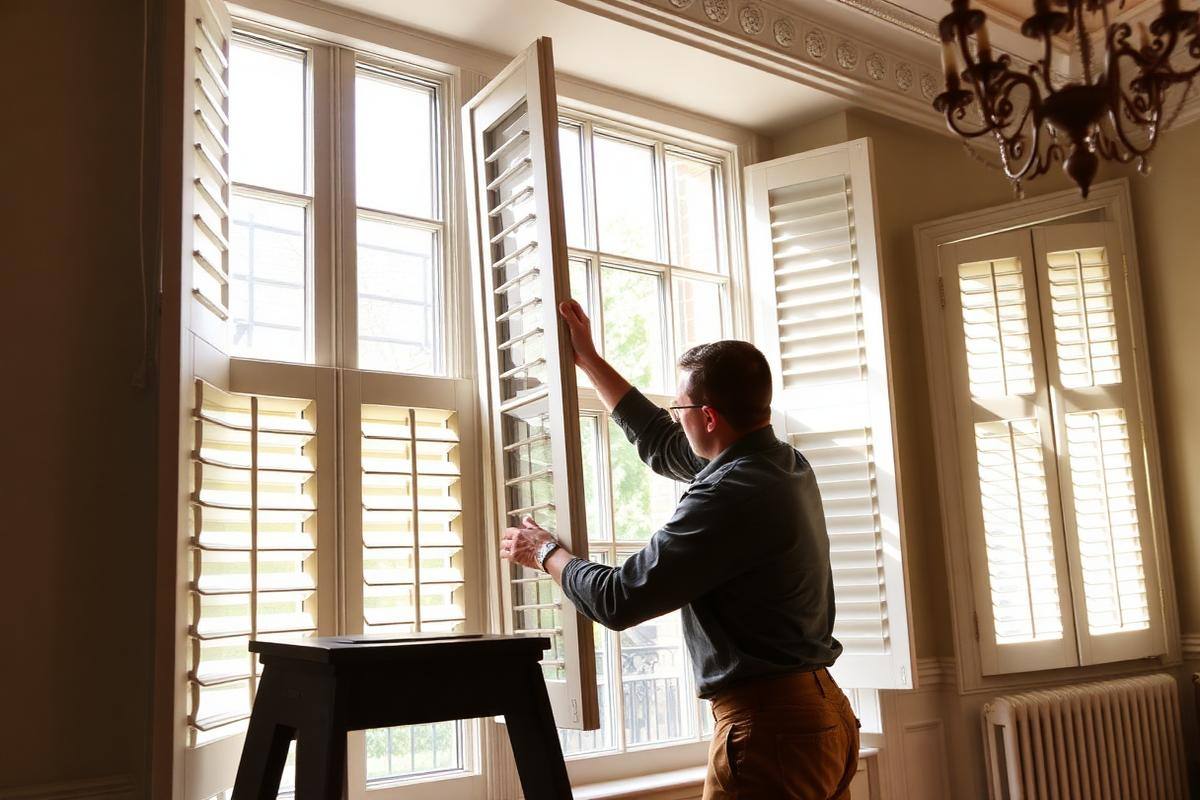
Real Results: Case Study Evidence
Don't just take our word for it. Our detailed case study documentation shows real-world results, including a London family who achieved a 33dB noise reduction on their Victorian terrace, transforming street-facing bedrooms from uncomfortably noisy to peacefully quiet.
For properties in busy London areas and other urban locations, secondary glazing consistently delivers life-changing improvements for period property owners who thought they'd have to choose between heritage and comfort.
Planning Your Secondary Glazing Project
If you're ready to transform your period property's acoustic performance while preserving its character, the process is straightforward:
- Free acoustic survey – We'll assess your specific noise challenges and window configurations
- Tailored proposal – Detailed recommendations for your property's unique requirements
- Planning coordination – We'll handle any necessary notifications or approvals
- Professional installation – Usually completed in 1-2 days with minimal disruption
Ready to Transform Your Period Property?
Your period property's character and your family's peace of mind don't have to be mutually exclusive. Secondary glazing proves you can have both.
Related guides
Explore the dedicated London landing pages for the systems and property types covered above.
- Secondary glazing for sash windowsPurpose-built systems for London box sash windows — specs, prices and heritage detailing.
- Sliding secondary glazingHorizontal and vertical sliders for sash and casement windows — up to 51dB with full ventilation access.
- Lift-out secondary glazingThe most discreet, highest-sealing option for rarely-opened heritage windows.
- Secondary glazing for listed buildingsFully reversible, consent-friendly specifications for Grade I and Grade II properties.