
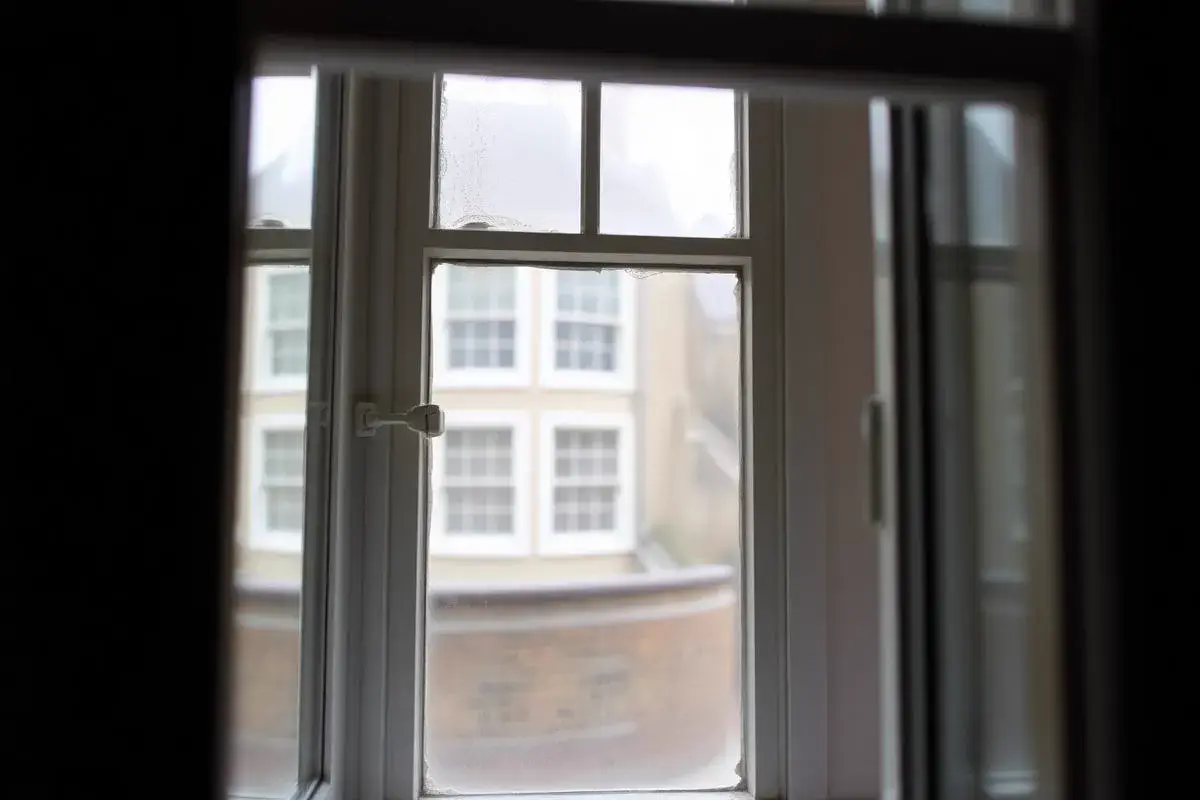
If you live in a listed building or period home in London, you've probably experienced the peculiar torture of loving your gorgeous sash windows while simultaneously fantasizing about stuffing them with cushions every time a double-decker rumbles past.
Here's the thing: you can't just rip out your heritage windows and slap in some modern triple-glazing. The planning officers would have a field day. But what if there was a way to silence the city roar without upsetting anyone in conservation? Enter 10.8mm acoustic laminate glass, the unsung hero of soundproof secondary glazing.
Let's talk numbers, science, and whether this stuff actually works.
What Is 10.8mm Acoustic Laminate Glass, Anyway?
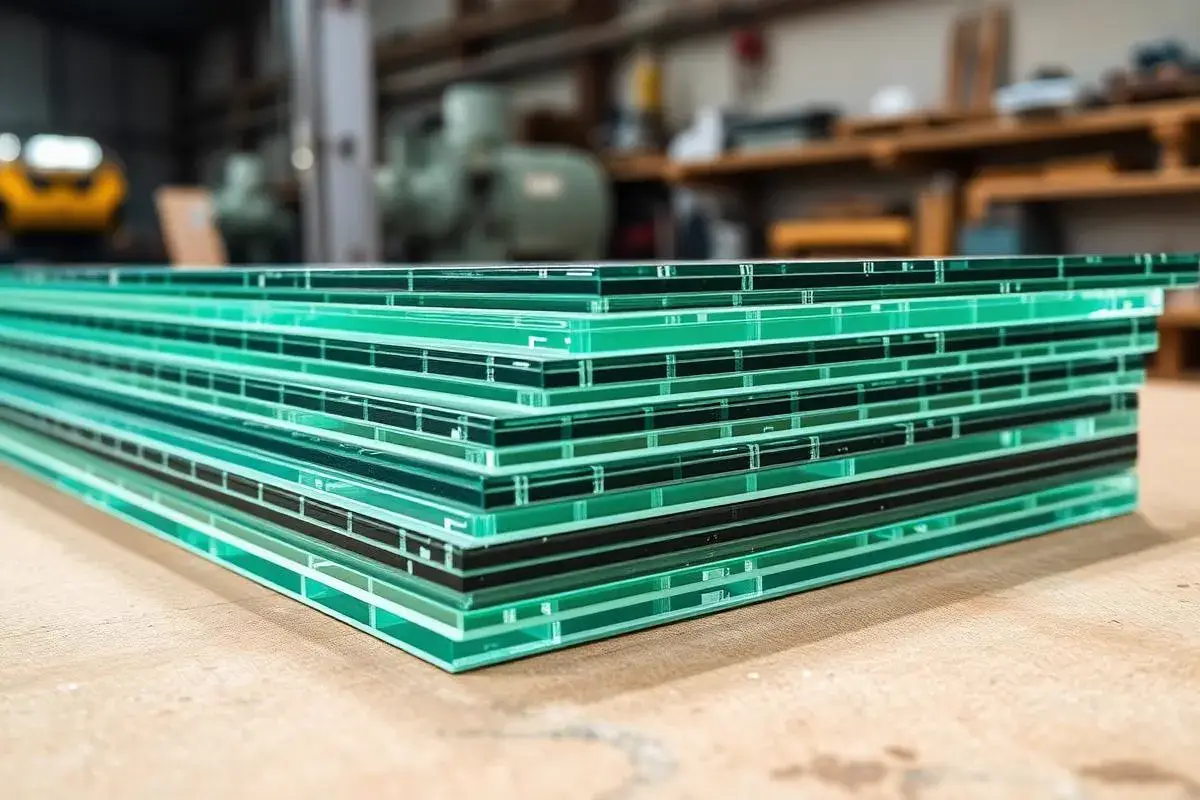
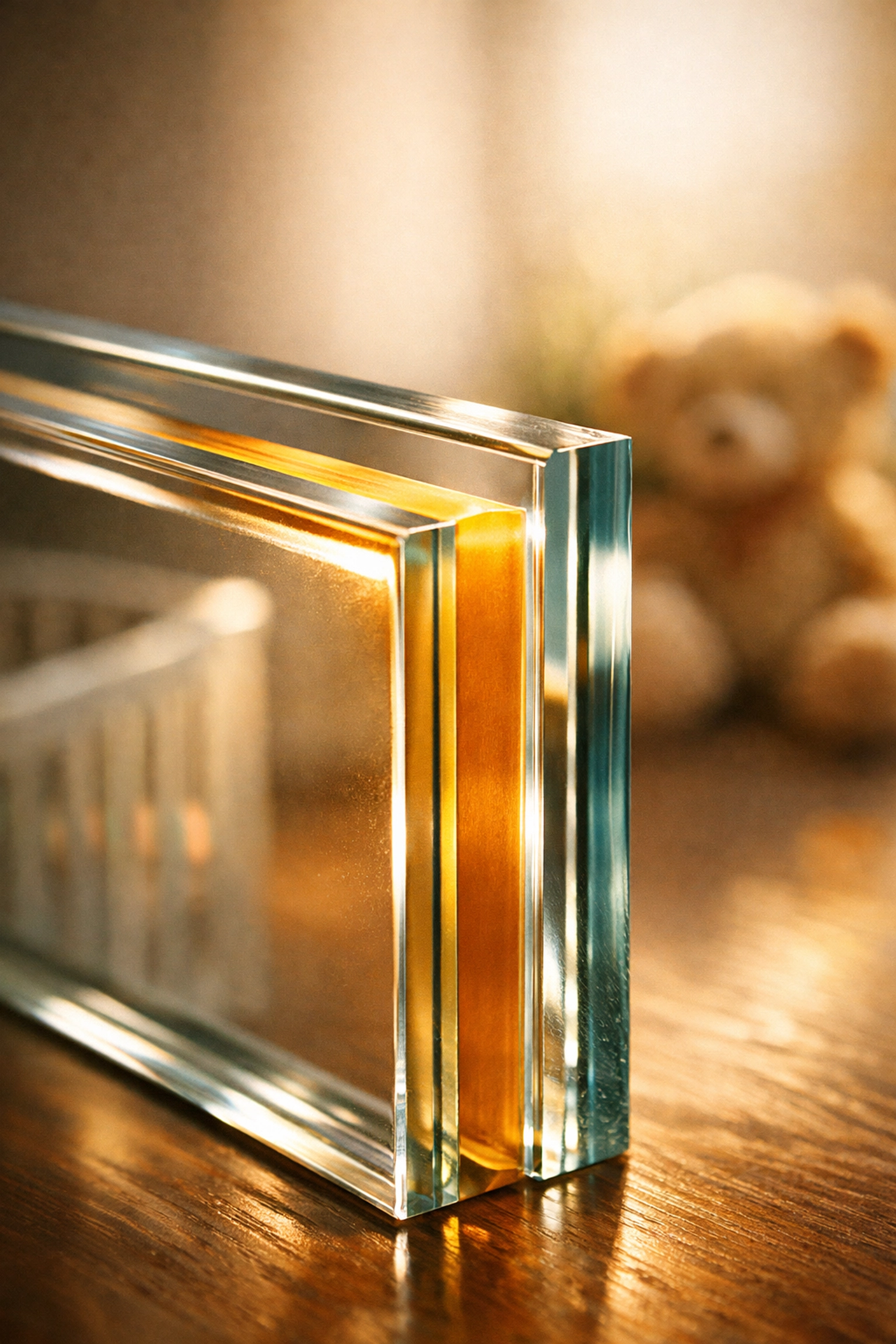
Before we dive into decibels, let's cover the basics. Acoustic laminate glass isn't just "thick glass." It's a sandwich — two panes of glass with a special PVB (polyvinyl butyral) interlayer wedged in between. That interlayer is the magic bit. It's designed to absorb sound waves instead of letting them bounce through.
The "10.8mm" refers to the total thickness of the glass unit. The thicker that PVB membrane, the more soundwaves it can trap and dampen. Think of it like noise insulation for your windows, but without the bulk or the planning permission headaches.
The Numbers: How Much Noise Reduction Are We Talking?
Alright, let's get into the good stuff. When installed as a single laminate configuration, 10.8mm acoustic laminate glass delivers a Sound Transmission Class (STC) rating of 40–45 dB. That's a pretty solid improvement over standard double glazing (STC 38–42) or regular laminated glass (STC 34–38).
But here's where it gets really interesting: when you pair this glass with a secondary glazing system, creating that crucial air gap between your existing window and the new glazing, you can hit 52–54 dB of noise reduction.
To put that in perspective: London traffic typically clocks in at around 85 dB. With properly installed 10.8mm acoustic laminate secondary glazing, you could bring that down to 20–30 dB — roughly the sound of a ticking watch or a quiet whisper. According to secondaryglazingnoisereduction.com, this level of performance makes it the gold standard for urban noise control.
| Glass Type | STC Rating | Best For |
|---|---|---|
| Standard Double Glazing | 38–42 dB | Thermal insulation only |
| Regular Laminated Glass | 34–38 dB | Basic safety & moderate noise |
| 10.8mm Acoustic Laminate ⭐ | 40–45 dB | Heavy urban noise, low-frequency rumble |
| 10.8mm + Secondary Glazing 🏆 | 52–54 dB | Maximum noise reduction for listed buildings |
Suddenly, your Grade II-listed Victorian terrace starts feeling a lot more like a countryside retreat.
Why Thickness Actually Matters (Yes, Really)
You might be wondering: does a few millimetres really make that much difference? Short answer: absolutely.
The thickness of the PVB interlayer is what determines how much sound energy the glass can absorb. Thinner interlayers just don't have the mass or the damping capacity to tackle the low-frequency rumble that comes with city living — think lorries, buses, trains, and that one neighbour who insists on revving their motorbike at 7am.
Low-frequency noise is the real villain when it comes to disturbing your peace. It travels further, penetrates deeper, and is notoriously difficult to block. Standard glazing? Pretty useless against it. But 10.8mm acoustic laminate glass is specifically engineered to handle those deep, rumbling sounds that standard windows just wave through.
High-frequency sounds — like voices, bird song, or the occasional siren — are also managed brilliantly by this type of glass. But it's the low-frequency performance that really sets it apart.
Secondary Glazing + 10.8mm Acoustic Laminate = The Dream Team
Here's the secret sauce: spacing matters as much as the glass itself.
When you install 10.8mm acoustic laminate glass as part of a secondary glazing system, you're creating an air gap between your original window and the new glazing. Ideally, that gap should be at least 150mm. The wider the gap, the better the sound insulation.
Why? Because sound waves need to travel through multiple barriers: your original window, the air gap, and then the acoustic laminate glass. Each layer strips away more energy from the sound wave. By the time it reaches your living room, it's been reduced to a whisper.
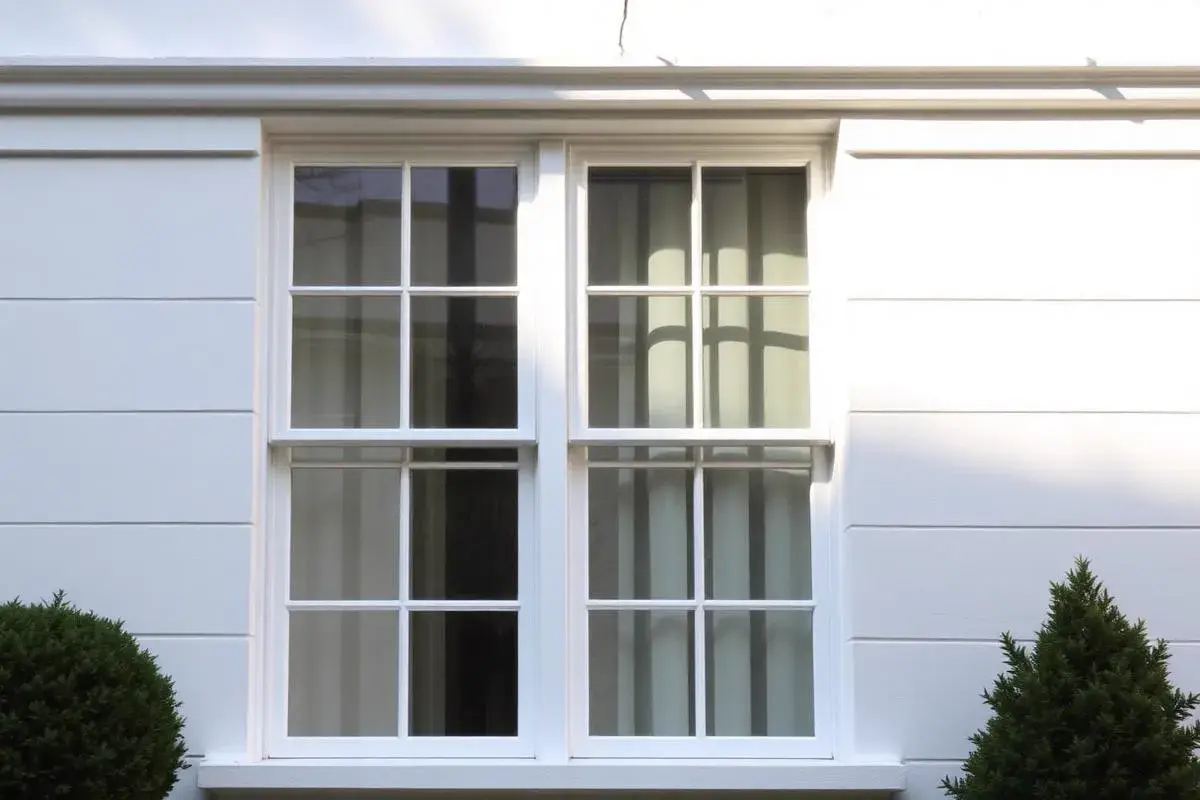
This setup is perfect for period homes because it doesn't require you to touch your original windows. The secondary glazing sits neatly on the interior side, completely reversible, and usually doesn't need planning permission. Your heritage windows stay intact, the conservation officer stays happy, and you finally get some peace and quiet.
Real-World Performance: What Can You Actually Expect?
Let's talk practical expectations. If you're living near:
🚗 Busy Roads
Expect traffic noise to drop from deafening to manageable. We're talking about taking the edge off that constant hum and making conversation actually possible without raising your voice.
🚂 Rail Lines
Those low-frequency vibrations from passing trains? Significantly reduced. You'll still know a train went by, but you won't feel it in your chest.
✈️ Flight Paths
Aircraft noise is tricky, but 10.8mm acoustic laminate can take the worst of it away — especially during takeoff and landing when the roar is loudest.
🎵 Noisy Neighbours or Pubs
High-frequency sounds like voices, music, and general revelry get seriously dampened. Perfect if you live above or next to a bustling venue.
Does It Work for Listed Buildings?
This is the big question, right? And the answer is: yes, brilliantly.
Secondary glazing with 10.8mm acoustic laminate glass is one of the few noise reduction solutions that actually works with heritage buildings instead of against them. Because it's fitted internally and doesn't alter the external appearance of your windows, it typically sails through planning applications — or doesn't require permission at all.
It's reversible, non-invasive, and preserves the character of your period home. Planning officers love it because it ticks all the conservation boxes. You love it because you can finally sleep past 6am on a Saturday.
Installation Matters (A Lot)
Here's the thing: even the best acoustic glass in the world won't perform if it's installed poorly. Gaps, poor seals, and incorrect spacing will let sound leak through like water through a sieve.
For optimal performance, you need:
- ✓Proper spacing: At least 150mm between the primary window and the secondary glazing
- ✓Airtight seals: Any gaps will compromise the acoustic performance
- ✓Quality frames: The frame system needs to be as robust as the glass itself
If you're in London and want this done right, it's worth checking out specialists who understand both the acoustic science and the quirks of period properties. You can find experienced installers near you at secondaryglazinginstallers.com/locations.
Is 10.8mm Acoustic Laminate Glass Worth It?
Look, we're not going to pretend this is the cheapest option on the market. Quality acoustic laminate glass costs more than standard glazing. But if you value your sanity, your sleep, and the ability to work from home without constant distraction, it's worth every penny.
Think of it as an investment in your quality of life. Plus, homes with effective noise reduction tend to hold their value better — especially in noisy urban areas where peace and quiet is a premium commodity.
The Bottom Line
10.8mm acoustic laminate glass delivers 40–45 dB of noise reduction on its own, and up to 52–54 dB when installed as part of a secondary glazing system. That's enough to transform a traffic-heavy London street into something resembling actual tranquility.
It's the gold standard for listed buildings and period homes because it works without compromising your windows' heritage status. It handles low-frequency noise like a champion — exactly the kind of rumble that standard glazing just can't touch.
If you're tired of living in a beautiful period home that sounds like a bus depot, this might just be your answer. The city's not getting any quieter, but your home definitely can be.
Ready to Silence the City?
Get in touch to discuss how 10.8mm acoustic laminate secondary glazing can transform your London period home.
Frequently Asked Questions
How much noise reduction does 10.8mm acoustic laminate glass provide?
As a standalone unit, 10.8mm acoustic laminate glass delivers an STC rating of 40–45 dB. When paired with secondary glazing and a 150mm+ air gap, it can achieve 52–54 dB of noise reduction — enough to reduce 85 dB London traffic to a quiet whisper.
Is 10.8mm acoustic laminate glass suitable for listed buildings?
Absolutely. Because it's installed as internal secondary glazing, it doesn't alter the external appearance of heritage windows. It's reversible, non-invasive, and typically doesn't require planning permission — making it ideal for Grade I and II listed properties.
What makes 10.8mm acoustic glass different from standard glazing?
The key difference is the PVB (polyvinyl butyral) interlayer sandwiched between two glass panes. This interlayer absorbs sound wave energy — especially low-frequency noise from lorries, buses, and trains — that standard glazing simply cannot block.
How important is the air gap in secondary glazing?
Critically important. The air gap between your original window and the secondary glazing should be at least 150mm. Each barrier — original window, air gap, and acoustic glass — strips energy from sound waves, and the wider the gap the better the insulation.
Related Articles
Low Frequency Noise Solutions
Tackling bass and rumble sounds from traffic and trains
Complete Acoustic Glazing Guide
Everything you need to know about acoustic secondary glazing
Listed Buildings Heritage Guide
Secondary glazing for Grade I & II listed properties
Acoustic Glass Specifications
Technical specifications and performance data
Related guides
Explore the dedicated London landing pages for the systems and property types covered above.
- Secondary glazing for sash windowsPurpose-built systems for London box sash windows — specs, prices and heritage detailing.
- Sliding secondary glazingHorizontal and vertical sliders for sash and casement windows — up to 51dB with full ventilation access.
- Secondary glazing for listed buildingsFully reversible, consent-friendly specifications for Grade I and Grade II properties.
- Traffic noise secondary glazingSpecs matched to road-noise frequency profiles on London’s busiest streets.