
Reducing Low-Frequency Traffic Noise: The Air Gap Solution
That deep, rumbling noise from passing trucks and buses isn't just annoying: it's one of the hardest types of sound to block. Low-frequency traffic noise penetrates through standard windows and even double glazing, leaving homeowners feeling trapped by constant background rumble. But there's a solution that works: properly installed secondary glazing with the right air gap.
What Is Low-Frequency Noise?
Low-frequency noise typically ranges from 20Hz to 500Hz: the deep, bass-heavy sounds that you feel as much as hear. Common sources include:
- HGV and truck engines: 40-200Hz rumble
- Bus acceleration: 50-300Hz drone
- Diesel engines at idle: 30-150Hz
- Bass from music venues: 20-250Hz
- Train vibrations through ground: 10-100Hz
- Aircraft engine noise: 100-400Hz
These frequencies are particularly problematic because they carry more energy, travel further, and penetrate building materials more easily than higher frequencies. While you might not consciously notice the rumble from a distant truck, your body certainly does: leading to stress, sleep disruption, and reduced quality of life.

The Physics Problem: Why Low Frequencies Are So Difficult to Block
Sound waves behave differently depending on their frequency. High-frequency sounds (like voices or sirens) have short wavelengths that bounce off surfaces relatively easily. Low-frequency sounds have long wavelengths that can be several meters long: making them incredibly difficult to stop.
The Mass Law Challenge
Traditional soundproofing relies on the "Mass Law": heavier materials block more sound. But low frequencies require enormous mass to be effective. To block a 50Hz truck rumble using mass alone, you'd need walls several feet thick. That's why adding a second pane of glass directly to your existing window doesn't solve the problem.
Resonance Issues
Low-frequency sounds also create resonance in building materials. Your window frame, the glass itself, and even the wall can start vibrating in sympathy with the sound waves, actually amplifying the noise inside your home. Standard double glazing often makes this worse because the two panes can create a resonant chamber.
Why Double Glazing Fails at Low Frequencies
Most double glazed units have only a 6-20mm air gap between panes. While this helps with thermal insulation, it's acoustically problematic for bass frequencies:
- ✗Too small for effective decoupling: The panes are close enough that vibrations transfer easily between them
- ✗Creates resonant cavity: The narrow air gap can actually amplify certain frequencies
- ✗Insufficient mass separation: Both panes move together as a single unit
- ✗No acoustic dampening: Standard double glazing uses dry air, which provides minimal sound absorption
Our case study data proves this limitation: standard double glazing typically reduces noise by only 34dB, while our secondary glazing system achieved 42dB reduction for HGV noise specifically.
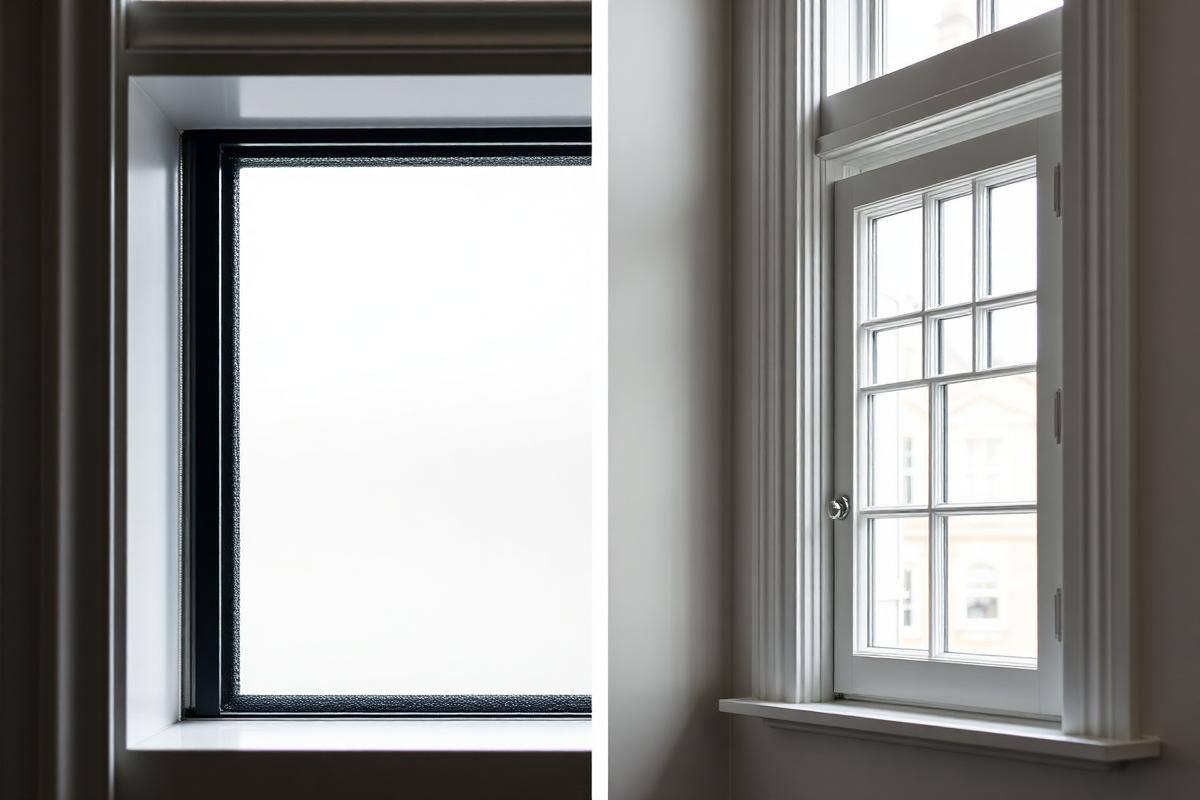
How Secondary Glazing Defeats Low-Frequency Noise
The secret lies in creating a much larger air gap: typically 150-200mm: between your existing window and the secondary glazing panel. This distance is crucial for three key mechanisms:
1. True Acoustic Decoupling
With a 150mm+ gap, the two window panes become acoustically independent. When a low-frequency sound wave hits your outer window, it causes that glass to vibrate. But instead of transmitting directly to the inner pane, the sound energy has to travel through a large volume of air, where much of it gets absorbed and dissipated.
2. Air Gap Dampening
Air acts as an acoustic dampener, but only when there's enough of it. The large air cavity between your original window and the secondary glazing installation creates what acousticians call a "mass-spring-mass" system. The trapped air acts like a spring, absorbing sound energy and preventing it from reaching the inner pane with full force.
3. Resonance Frequency Shifting
The large air gap shifts the resonant frequency of the entire window system to a much lower range: often below the frequency of traffic noise. This means that instead of amplifying truck rumble, the window system actually works against it.
The Power of Acoustic Laminated Glass
Standard glass can still transmit low-frequency vibrations through the material itself. That's where acoustic laminated glass becomes crucial. This specialized glass contains a PVB (polyvinyl butyral) interlayer that provides additional dampening for bass frequencies.
The PVB layer acts like a shock absorber, converting sound energy into tiny amounts of heat. This is particularly effective for frequencies below 500Hz: exactly the range where traffic noise causes problems. In our London residential installations, we typically specify 6.8mm acoustic laminated glass for the inner pane.
Real-World Performance: The Numbers Don't Lie
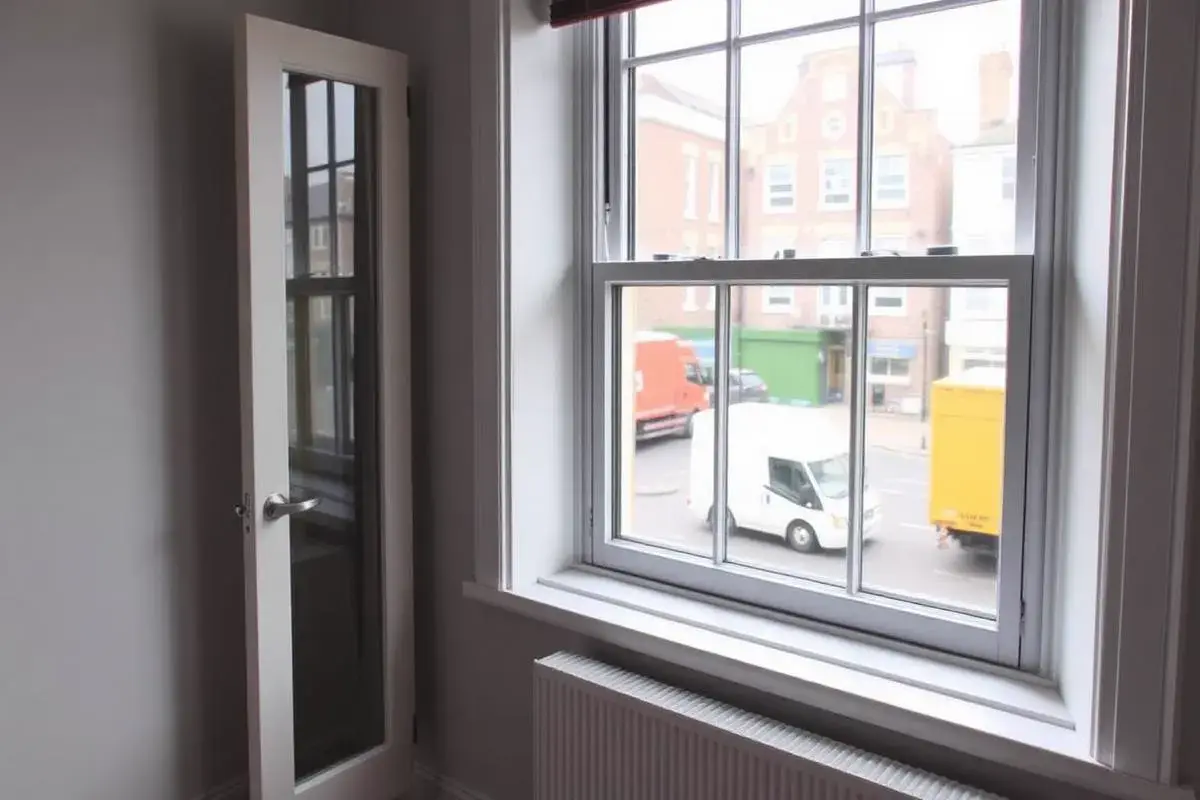
Our case study with the Scholey family demonstrates exactly how effective this approach is for low-frequency noise. Living on a busy arterial road, they faced constant HGV rumble that penetrated their existing double glazing.
Before Secondary Glazing:
- • HGV pass-by noise: 85dB
- • Bedroom ambient level: 68dB
- • Conversation regularly interrupted
After 150mm Secondary Glazing:
- • HGV pass-by noise: 42dB (43dB reduction!)
- • Bedroom ambient level: 35dB
- • Family life transformed
You can see the full technical data and measurements in our complete case study analysis. The 43dB reduction for HGV noise specifically proves that secondary glazing works even for the most challenging low frequencies.
Beyond Traffic: Other Low-Frequency Applications
The same principles that block truck rumble work for other bass-heavy noise sources:
- •Music venues: Nightclub bass that penetrates walls
- •Industrial facilities: Pump and compressor noise
- •Railways: Both direct noise and ground-borne vibration
- •Airports: Engine noise from distant aircraft
- •Construction: Heavy machinery operation
For properties near multiple noise sources, our acoustic consultancy service can design a system that targets the specific frequency profile of your noise problem.
Installation Considerations for Maximum Low-Frequency Performance
Getting the best results requires attention to several details:
Key Installation Factors:
- Air Gap Optimization: While 150mm is our standard recommendation, properties with severe low-frequency noise may benefit from 200mm gaps. The larger the gap, the more effective the system becomes for bass frequencies.
- Proper Sealing: Any gaps around the secondary glazing frame allow sound to leak through, particularly low frequencies that can "bend" around obstacles. Professional installation ensures complete perimeter sealing.
- Frame Material Selection: The secondary frame itself can transmit vibrations if not properly designed. Our systems use thermally broken aluminum frames with acoustic gaskets to minimize sound bridging.
Why This Matters for Your Health and Wellbeing
Low-frequency noise isn't just annoying: it has documented health impacts:
Sleep disruption: Bass frequencies interfere with deep sleep stages
Stress response: Constant rumble triggers fight-or-flight responses
Concentration problems: Difficult to focus with persistent background noise
Cardiovascular effects: Chronic noise exposure increases blood pressure
Getting Started with Your Low-Frequency Noise Solution
If you're dealing with persistent traffic rumble, the first step is understanding exactly what frequencies you're facing. Our team can conduct a detailed acoustic assessment of your property, measuring the specific noise profile and designing a system optimized for your situation.
Areas across London present different challenges: from busy A-roads with constant HGV traffic to railway lines with periodic but intense low-frequency intrusion. Each requires a tailored approach to achieve maximum effectiveness.
Don't let low-frequency traffic noise control your home environment. The difference between living with constant rumble and enjoying genuine peace is just a phone call away.
Ready to Block Low-Frequency Noise?
Get a free acoustic survey and discover how our air gap solution can transform your home.
Call us on 0207 060 1572 or WhatsApp 07999 333533
Related guides
Explore the dedicated London landing pages for the systems and property types covered above.
- Traffic noise secondary glazingSpecs matched to road-noise frequency profiles on London’s busiest streets.
- Secondary glazing for sash windowsPurpose-built systems for London box sash windows — specs, prices and heritage detailing.
- Sliding secondary glazingHorizontal and vertical sliders for sash and casement windows — up to 51dB with full ventilation access.
- Secondary glazing for listed buildingsFully reversible, consent-friendly specifications for Grade I and Grade II properties.