
If you live in London, you know the soundtrack: sirens at 2 AM, delivery trucks at dawn, the endless hum of traffic, Friday night revellers, and maybe even the distant roar of planes heading to Heathrow. It's exhausting. And if you're in a period property with single-glazed sash windows? Forget about it. You might as well be sleeping on the pavement.
So here's the question everyone's asking in 2026: Is noise reduction secondary glazing actually worth the money? Spoiler alert: if you value sleep, sanity, and keeping your listed building's original charm, the answer is a resounding yes.
Let's break down everything you need to know about secondary glazing London solutions, why they work better than double glazing for noise, and whether the investment actually pays off.
Why London Noise Is Different (And Why Your Windows Can't Handle It)
London isn't just noisy, it's relentlessly noisy. According to recent studies, over 1.6 million Londoners are exposed to road traffic noise levels that exceed WHO guidelines. That's not background ambience; that's a health hazard.

The problem? Most homes, especially Victorian and Edwardian properties, were built when the loudest thing on the street was a horse-drawn carriage. Fast forward to 2026, and those beautiful single-glazed sash windows are letting in every decibel of urban chaos.
Even if you've already got standard double glazing, you might still be hearing more than you'd like. Why? Because double glazing was designed for thermal efficiency, not sound insulation. The narrow 6-20mm gap between panes doesn't do much to stop low-frequency rumbles (like buses and lorries) or high-frequency squeals (like the Tube screeching past).
Why Secondary Glazing Beats Double Glazing for Noise Reduction
Here's where it gets interesting. Soundproof secondary glazing works on a completely different principle than double glazing.
Standard double glazing has two panes of glass separated by a thin layer of argon or air, usually less than 20mm. This setup is great for keeping heat in, but acoustically? The two panes vibrate together, creating resonance. Sound waves basically jump from one pane to the other like they're on a trampoline.
Secondary glazing, on the other hand, installs a completely independent pane of glass 100-150mm away from your existing window. This wide air gap decouples the two panes, meaning they vibrate independently. When sound waves hit the outer window, they lose most of their energy crossing that wide cavity before they even reach the inner pane.
The result? Secondary glazing can reduce external noise by up to 54dB in suitable configurations, compared to just 42-50% for double glazing. That's the difference between "I can still hear the traffic" and "Wait, is it raining outside?"

And here's the kicker: you can even install secondary glazing over existing double glazing if you need extra soundproofing. About 30% of installations in London are actually retrofits on homes that already have double glazed windows. If you're near a major road or under a flight path, that extra layer can be a game-changer.
Whether you're dealing with specific noise problems like trains or planes, the principles remain the same — a larger air gap and acoustic-rated glass deliver superior results.
The Magic of 10.8mm Acoustic Laminate Glass
Not all glass is created equal when it comes to noise reduction windows London. If you want serious soundproofing, you need serious glass, and that means 10.8mm acoustic laminate glass.
Standard secondary glazing uses 4mm or 6mm glass. It works, sure. But if you're dealing with heavy traffic, nightclub bass, or low-frequency rumbles, you need something thicker and smarter.
Acoustic laminate glass is essentially two sheets of glass bonded together with a special resin interlayer (usually PVB, polyvinyl butyral). This interlayer acts like a shock absorber for sound waves. When vibrations hit the glass, the resin dampens them before they can pass through.
The 10.8mm version (often 6mm + 6mm with a 0.8mm interlayer) is the premium choice for urban noise reduction. It's particularly effective at blocking mid-to-low frequency sounds, the kind that standard thin glass just can't handle. Think: diesel engines, construction machinery, and that annoying bass from the pub three doors down.
Yes, it costs more than standard glass. But if you're already investing in secondary glazing, skimping on the glass itself is like buying a Tesla and filling it with budget petrol. Go for the good stuff.
Secondary Glazing for Listed Buildings and Period Homes
Here's where secondary glazing really shines in London: it's one of the only noise reduction solutions that doesn't require planning permission or listed building consent (in most cases).
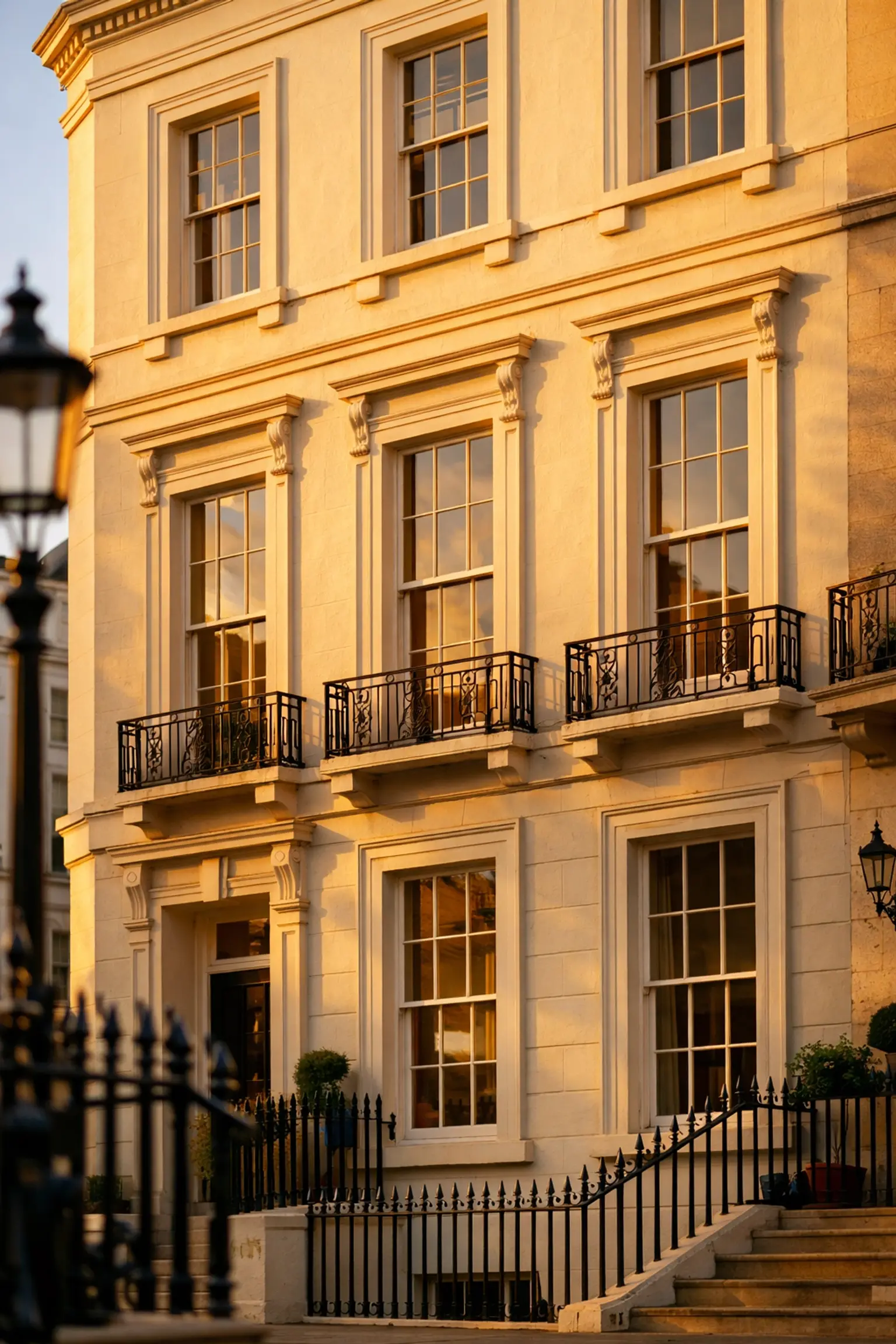
If you own a period property in a conservation area — Kensington, Islington, Richmond, Greenwich — you already know the headache of trying to make any changes. Want to install double glazing? Good luck getting that past the council. Want to replace your original sash windows? Prepare for a planning battle that'll make Brexit look straightforward.
Secondary glazing for listed buildings is different because it's entirely reversible. You're not altering the existing window or façade, you're simply adding a discreet internal layer. From the street, your windows look exactly the same. Inside, you get all the benefits of modern soundproofing without compromising the building's heritage character.
For Georgian and Victorian sash windows especially, secondary glazing is a no-brainer. You keep the original timber frames, the slim sightlines, and the historic charm, but you also get to sleep through the night. Win-win.
Learn more about how this works in conservation areas in our guide to discreet soundproofing for period homes in Kensington & Chelsea.
Secondary Glazing Sash Windows Cost: What's the Damage?
Let's talk money. The big question: secondary glazing sash windows cost — is it worth it compared to full window replacement?
Here's the reality: secondary glazing typically costs around £300-600 per window for a professional installation with quality materials. If you're going premium with 10.8mm acoustic laminate glass, expect closer to £500-800 per window.
Compare that to full window replacement (like-for-like timber sash with double glazing), which can easily run £1,500-2,500+ per window. And if you're in a listed building, you might not even be allowed to do it.
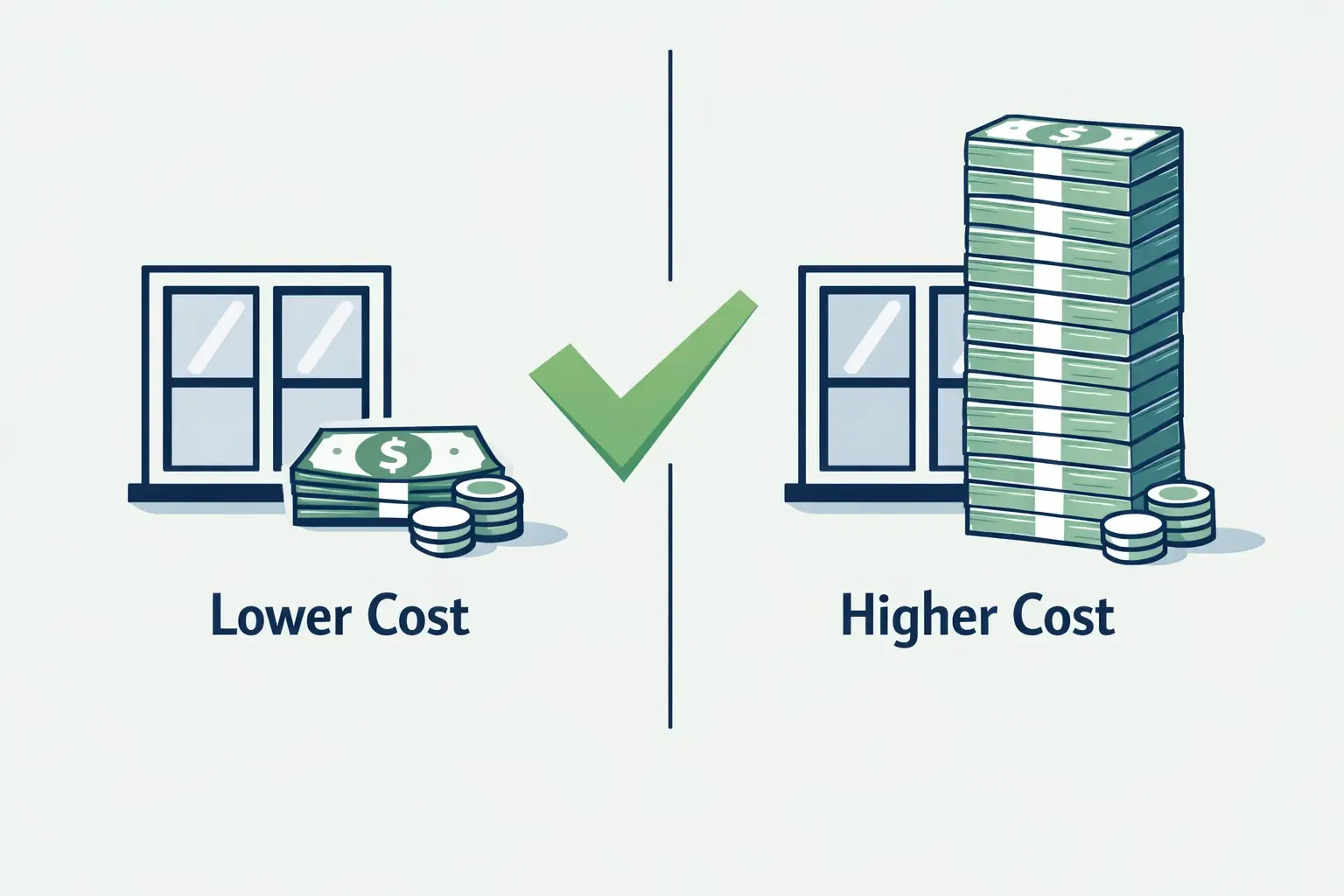
But it's not just about upfront cost. Secondary glazing also:
- Reduces your heating bills by up to 15% by cutting heat loss through windows by around 65%
- Adds value to your property by improving comfort and energy efficiency
- Protects your original windows from weathering, potentially extending their lifespan by decades
- Can be installed in a day or two with minimal disruption (no scaffolding, no skip, no building site)
If you factor in energy savings over 10 years, the system can essentially pay for itself, while also giving you the priceless benefit of actually being able to hear yourself think in your own home.
Why Professional Secondary Glazing Installers Matter
Here's where some people get tempted to cut corners: "Can't I just buy some acrylic sheets and DIY this?"
Technically, yes. Realistically? You'll be disappointed.
The performance of secondary glazing depends entirely on getting an airtight seal around the frame. Even a 1mm gap can leak sound like a sieve. Professional secondary glazing installers London use precision-cut frames with compression seals, magnetic strips, or brush pile to create that critical acoustic barrier.
They'll also:
- Measure accurately (old buildings are never square, trust us)
- Match the frame style to your existing windows so it doesn't look like an afterthought
- Install properly weighted or spring-balanced systems for sash windows so they actually open and close smoothly
- Use the right glass specification for your specific noise problem (road vs. rail vs. aircraft noise requires different approaches)
A DIY job might save you a couple hundred quid upfront, but if it doesn't seal properly, you've just wasted money on something that doesn't work. This is one area where professional installation is genuinely worth the investment.
The Verdict: Is Noise Reduction Secondary Glazing Worth It in 2026?
If you're living in London, dealing with constant noise, and you want a solution that actually works, yes, secondary glazing is absolutely worth the investment.
It's particularly compelling if:
- You're in a period property or conservation area where double glazing isn't an option
- You've already got double glazing but still hear too much external noise
- You want to preserve original sash windows while dramatically improving comfort
- You value quality sleep and mental wellbeing (which, let's be honest, is everyone)
The combination of up to 54dB noise reduction in suitable configurations, lower installation costs than replacement windows, energy savings, and heritage preservation makes secondary glazing one of the smartest home improvements you can make in 2026.
Just remember: go for quality materials (especially that 10.8mm acoustic laminate glass), hire experienced installers, and treat it as a long-term investment in your home and your sanity.
Because at the end of the day, being able to sleep through the night in London? That's priceless.
For more information on noise levels and health impacts, see the Mayor of London's Noise Pollution guidance. For planning permission queries in the Royal Borough of Kensington & Chelsea, visit the RBKC Planning Portal.
Frequently Asked Questions
How much does secondary glazing cost for sash windows in London?
Secondary glazing for sash windows typically costs £300-600 per window for standard installations, or £500-800 per window with premium 10.8mm acoustic laminate glass. This is significantly less than full window replacement (£1,500-2,500+ per window) and doesn't require planning permission for listed buildings.
Is secondary glazing better than double glazing for noise reduction?
Yes. Secondary glazing with a 100-150mm air gap can reduce noise by up to 54dB in suitable configurations (45-54 dB), compared to 42-50% (35-40 dB) for standard double glazing. The much larger air gap decouples the two panes, preventing sympathetic resonance and providing superior acoustic performance.
Do I need planning permission for secondary glazing on a listed building?
In most cases, no. Because secondary glazing is fitted internally and doesn't alter the external appearance of the building, it typically doesn't require listed building consent. It's also completely reversible, which heritage authorities prefer.
What is 10.8mm acoustic laminate glass?
10.8mm acoustic laminate glass consists of two sheets of glass bonded with a special PVB (polyvinyl butyral) acoustic interlayer. This interlayer dampens sound vibrations, making it particularly effective against low-to-mid frequency noise like traffic, trains, and aircraft.
Can secondary glazing be installed over existing double glazing?
Yes. About 30% of secondary glazing installations in London are retrofits over existing double glazing. If you're near a major road or under a flight path, adding secondary glazing over double glazing provides an additional layer of acoustic protection.
How long does secondary glazing installation take?
Professional secondary glazing installation typically takes 1-2 days for a standard home. There's no need for scaffolding, skips, or major disruption. The frames are precision-cut to fit your existing windows.
Ready to Soundproof Your London Home?
Get a free, no-obligation quote for professional secondary glazing installation with 10.8mm acoustic laminate glass.
Get Your Free QuoteRelated Guides
Noise Reduction for Listed Buildings in Kensington & Chelsea
How 10.8mm acoustic secondary glazing works for heritage properties without planning permission.
Road, Rail, or Aircraft Noise? Solutions for London
Why a 100mm+ air gap is the only way to truly soundproof your London home against all noise types.
Sources & References
Authoritative sources supporting the information on this page.
- British Standards Institution (2014). Guidance on sound insulation and noise reduction for buildings (BS 8233:2014). BSI Standards.
Sets the recommended internal noise levels for bedrooms and living rooms used to judge how much glazing performance a home needs.
- HM Government (2015). Approved Document E: Resistance to the passage of sound. The Building Regulations 2010.Open source
The statutory guidance on sound insulation in dwellings in England.
- British Standards Institution (2020). Acoustics: Rating of sound insulation in buildings and of building elements, Part 1: Airborne sound insulation (BS EN ISO 717-1). BSI Standards.
Defines the Rw and Rw+Ctr ratings used to compare the acoustic performance of glazing systems.
- British Standards Institution (2019). Glass in building: Glazing and airborne sound insulation (BS EN 12758). BSI Standards.
Describes how the sound insulation of glass types, including acoustic laminates, is characterised.
- Greater London Authority (2021). The London Plan 2021, Policy D14: Noise. Mayor of London.Open source
The London planning policy on reducing, managing and mitigating noise in homes across the capital.