
If you live in one of London's beautiful period properties, you know the struggle. You've got those stunning original sash windows that give your home all its character, but they come with a few "quirks", namely, they're about as good at keeping out the cold and the noise as a sheet of paper.
When the winter chill starts biting or the London traffic sounds like it's literally inside your living room, the big question pops up: Should you rip them out and install double glazing, or is secondary glazing the way to go?
For homeowners in conservation areas or those living in listed buildings, this isn't just a matter of taste, it's often a matter of law. Let's dive into the pros, cons, and why secondary glazing for listed buildings is usually the champion of the heritage world.
The Heritage Headache: Why You Can't Just "Swap" Windows
Let's be honest: modern uPVC double glazing in a Georgian terrace or a Victorian villa looks... well, a bit wrong. But beyond the aesthetics, there's the planning department to consider.
If your home is listed or falls within a conservation area, the local council is very protective of the "external elevation." Replacing original timber frames with double-glazed units often requires planning permission that is notoriously difficult to get. Planners want to see original glass, original joinery, and those slim, elegant profiles.
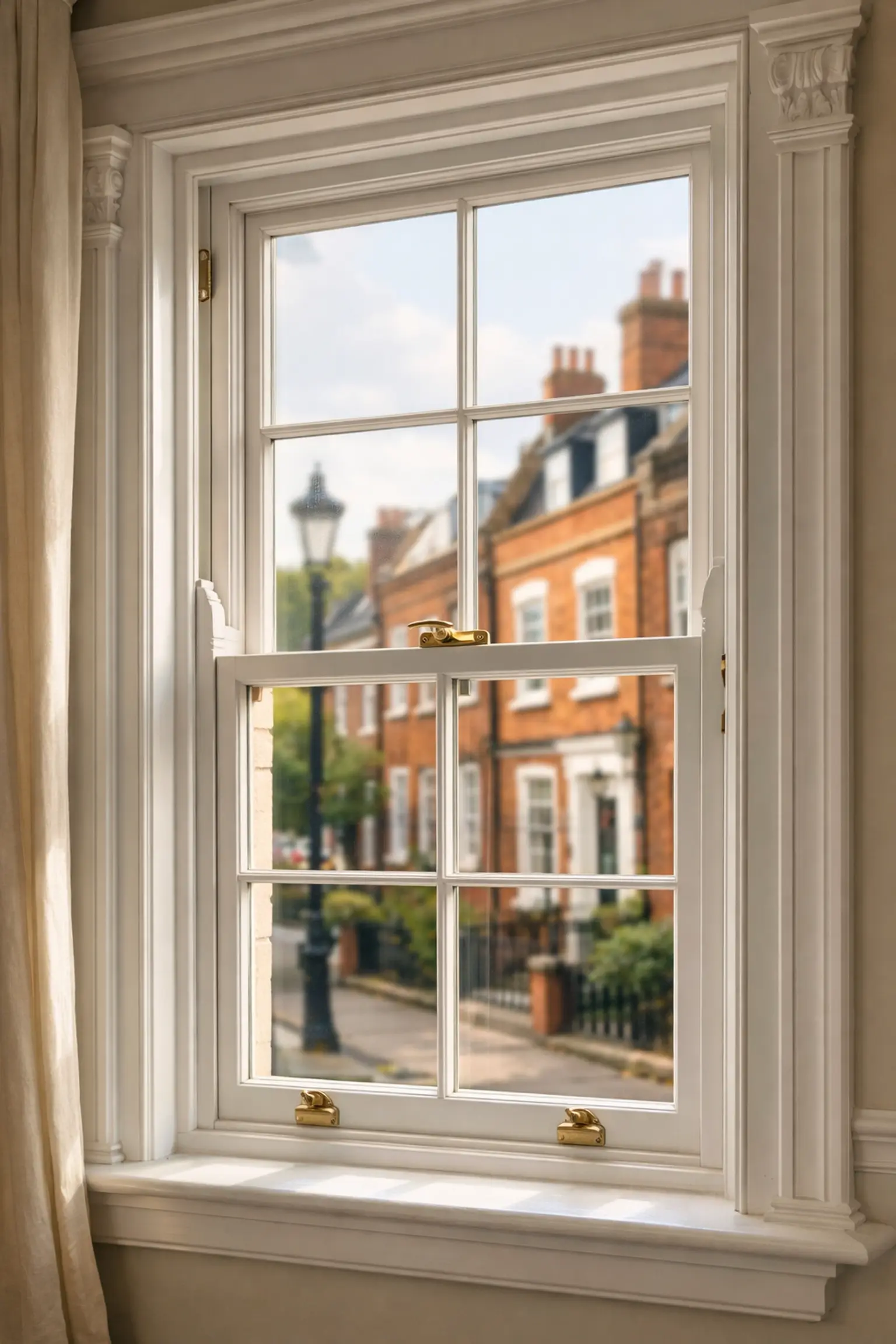
This is where secondary glazing shines. Because it's installed on the inside of your existing windows, it doesn't change the outside look of the building one bit. In the eyes of most planning officers, it's a "reversible" change, which they absolutely love. It solves the performance problem without destroying the history.
Noise Reduction: The Clear Winner
If your main goal is noise reduction windows in London, secondary glazing actually outperforms standard double glazing. This usually surprises people, but it all comes down to the "science of the gap."
Standard double glazing has two panes of glass sitting very close together, usually with a 16mm to 20mm gap. While this is great for heat, it's not wide enough to stop low-frequency sounds like buses or sirens.
With secondary glazing, we create a much larger cavity: ideally between 100mm and 200mm. This large air gap acts as a massive acoustic buffer. When you combine that gap with specialized 10.8mm acoustic laminate glass, you can reduce noise levels by up to 54dB. Double glazing usually only manages around 40-50%. If you live on a busy red route or near a train line, the difference is life-changing.
Thermal Efficiency: Is Double Glazing Better?
On paper, brand-new double glazing is incredibly efficient at stopping heat loss. It's designed to be a sealed unit that keeps your home toasty. However, replacing a window is a massive job. You have to rip out the old frames, repair the surrounding masonry, and often re-plaster and re-paint.
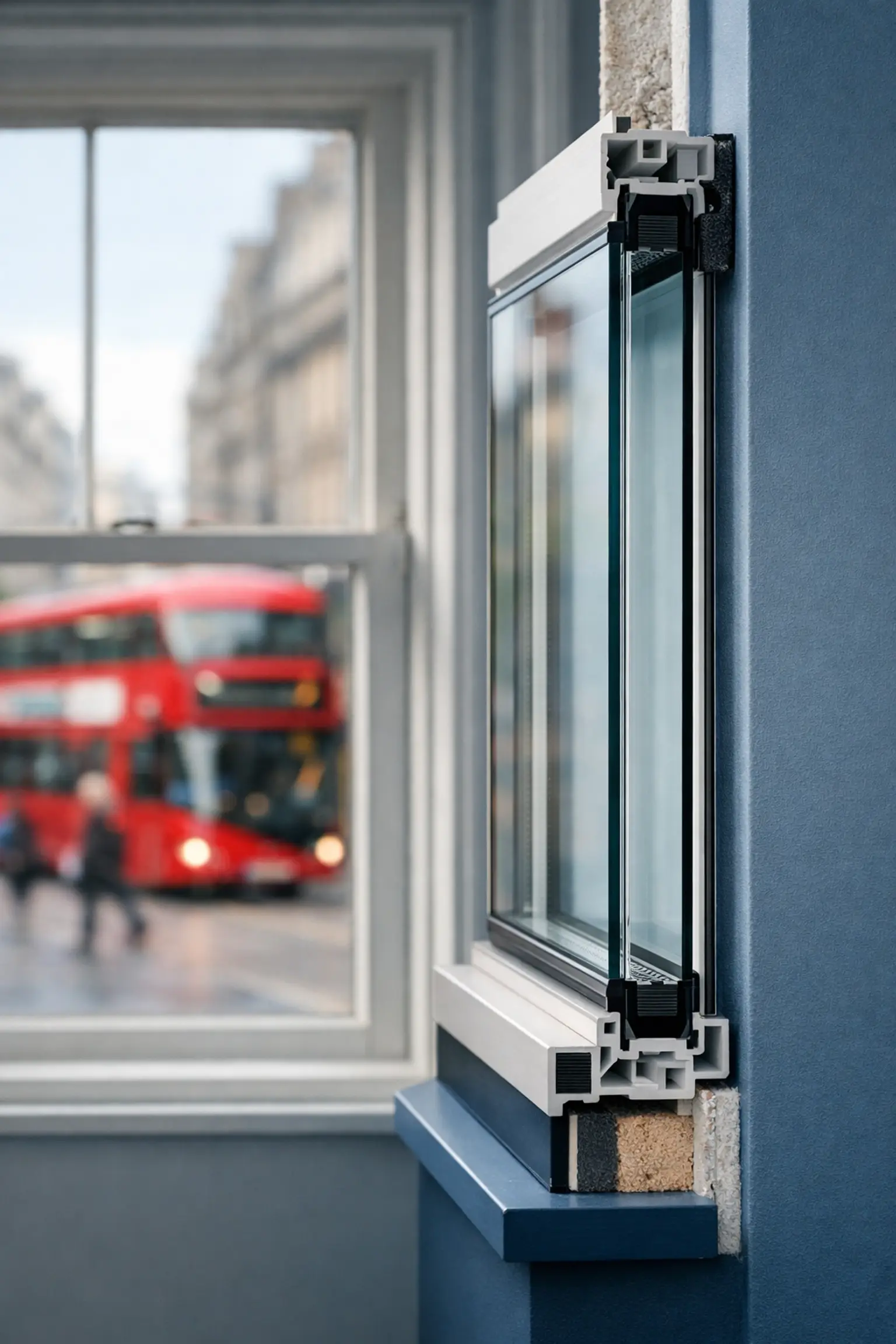
Secondary glazing acts as a second skin. It traps a layer of still air between the original window and the secondary unit, which significantly reduces draughts and heat loss. While a brand-new high-spec double-glazed window might have a slightly better U-value (the measure of heat loss), the difference is often outweighed by the cost and disruption of a full replacement.
Plus, many period windows are actually in decent shape: they just need that extra layer of protection to bring them up to modern standards.
The Installation Experience: Mess vs. Ease
If you've ever had windows replaced, you know it's a bit of a nightmare. There's dust everywhere, your house is open to the elements for the day, and there's always a risk that the original architraves or shutters will be damaged during the process.
Secondary glazing is much more "gentle."
- Time: Most windows can be fitted in about 1-2 hours.
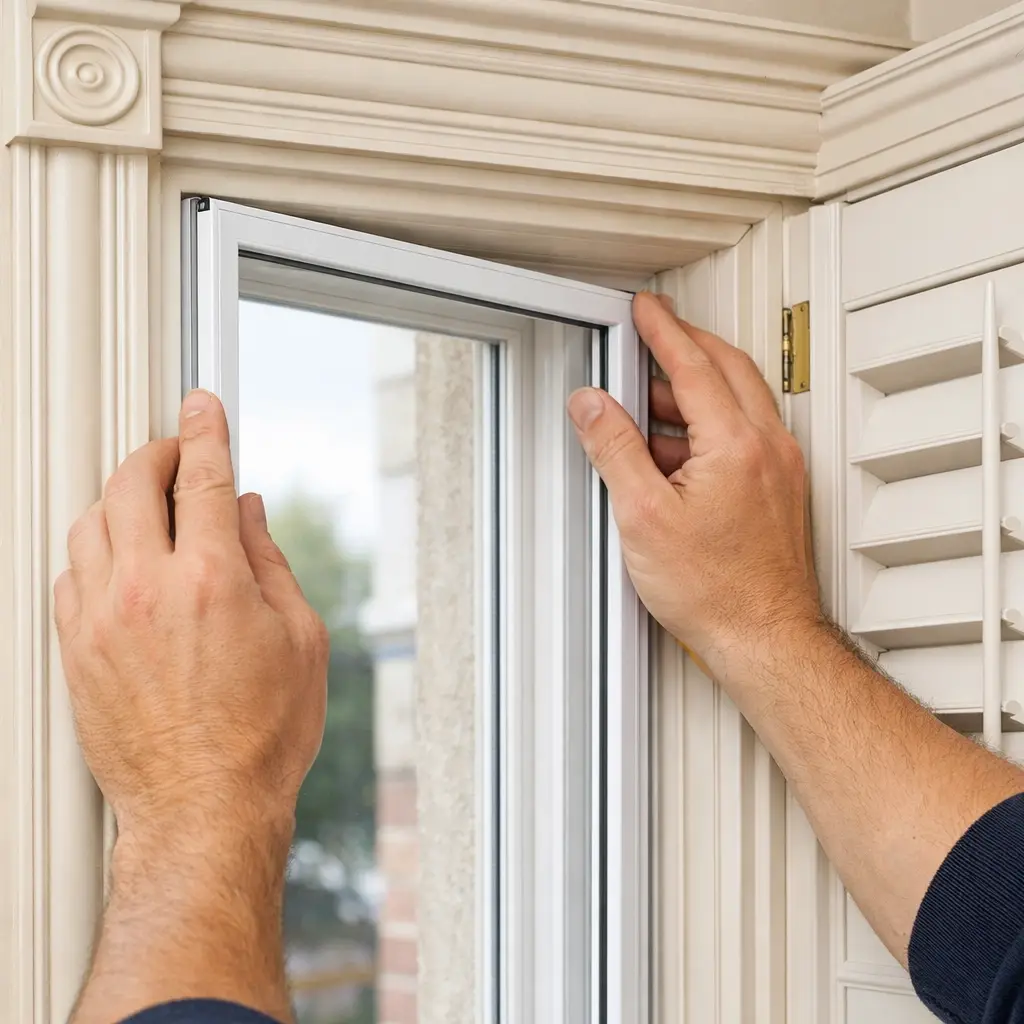
- Mess: There's virtually no structural work. We're simply fixing a slim, bespoke frame to your existing internal window reveal.
- Preservation: If you have original internal shutters, we can often design the secondary glazing to sit neatly behind them or work around them so you don't lose those precious original features.
Addressing the Condensation Myth
One of the biggest concerns we hear is: "Won't secondary glazing cause more condensation?"
It's actually the opposite: if it's done right. Condensation happens when warm, moist air from your room hits a cold surface (like your single-glazed original window). By adding a secondary layer, the internal pane stays much warmer, which prevents moisture from the room from condensing on it.
The key is ensuring the cavity between the two windows is slightly ventilated to the outside but sealed from the inside room air. This allows any moisture that does get in to escape, keeping your original timber frames dry and rot-free.
Cost and Long-Term Value
Let's talk numbers. Replacing all the windows in a large period home with high-quality, heritage-style double glazing can cost a small fortune: often double or triple the price of secondary glazing.
Because secondary glazing is a fraction of the price, your "payback period" (the time it takes for energy savings to cover the cost of the install) is much shorter. Furthermore, if you ever decide to sell your home, having high-quality secondary glazing is a massive selling point. It tells buyers that the home is quiet and warm, but the original historical value hasn't been "ruined" by modern replacements.
The Verdict: Which Is Right for You?
Go with Double Glazing if:
- Your original window frames are completely rotten and beyond repair.
- Your home is not listed and not in a conservation area.
- You aren't worried about changing the external character of the building.
Go with Secondary Glazing if:
- You live in a listed building or conservation area (this is usually your only legal option!).
- Your primary goal is noise reduction (especially for London traffic).
- You want to keep your original timber sash windows and period features.
- You want a fast, mess-free installation that doesn't require a scaffolding rig.
At Secondary Glazing Specialist, we've spent years helping homeowners across London find that perfect balance between 21st-century comfort and 19th-century charm. We believe you shouldn't have to choose between a quiet home and a beautiful one.
Ready to Quieten Your Home?
If you're tired of the rattling sashes and the sound of the morning commute waking you up, it's time to look at your options. Whether you're looking for secondary glazing for listed buildings or just need to turn down the volume on a busy street, we can help.
Every period home is different, which is why we offer bespoke solutions tailored to your specific window types: from vertical sliders that match your sashes to hinged units for casement windows.
Let's Make Your Home Peaceful
Get a free, no-obligation quote and discover how secondary glazing can transform your period property.
Contact Us TodayPlanning a project?
Get an instant estimate with our Secondary Glazing Cost Calculator or Book a Professional Sound Survey.
Related guides
Explore the dedicated London landing pages for the systems and property types covered above.
- Secondary glazing for listed buildingsFully reversible, consent-friendly specifications for Grade I and Grade II properties.
- Conservation area secondary glazingWhat London conservation officers accept — sightlines, finishes and reversibility.
- Lift-out secondary glazingThe most discreet, highest-sealing option for rarely-opened heritage windows.
- Victorian terrace secondary glazingTypical reveal depths, glass specs and costs for London Victorian terraced homes.