
If you live in a heritage property or a charming Victorian terrace, you already know the struggle. You love those original timber sash windows, the way they look, the history they carry, and the character they add to your home. But let's be honest: you probably don't love the rattling glass, the icy drafts in February, or the sound of every single car passing by your bedroom at 6:00 AM.
For a long time, the only solution seemed to be "rip them out and replace them with uPVC." But for many of us, that's not an option. Not only does it ruin the aesthetic of the house, but if you live in a Listed building or a Conservation Area, the local council will have something to say about it (and it won't be "congratulations").
This is where secondary glazing for sash windows comes into its own. It's the secret weapon of home improvement. It keeps the heat in, the noise out, and leaves your beautiful original windows exactly where they are.
In this guide, we're going to break down everything you need to know about styles, glass options, and, most importantly, the secondary glazing sash windows cost.
Why Choose Secondary Glazing for Your Sash Windows?
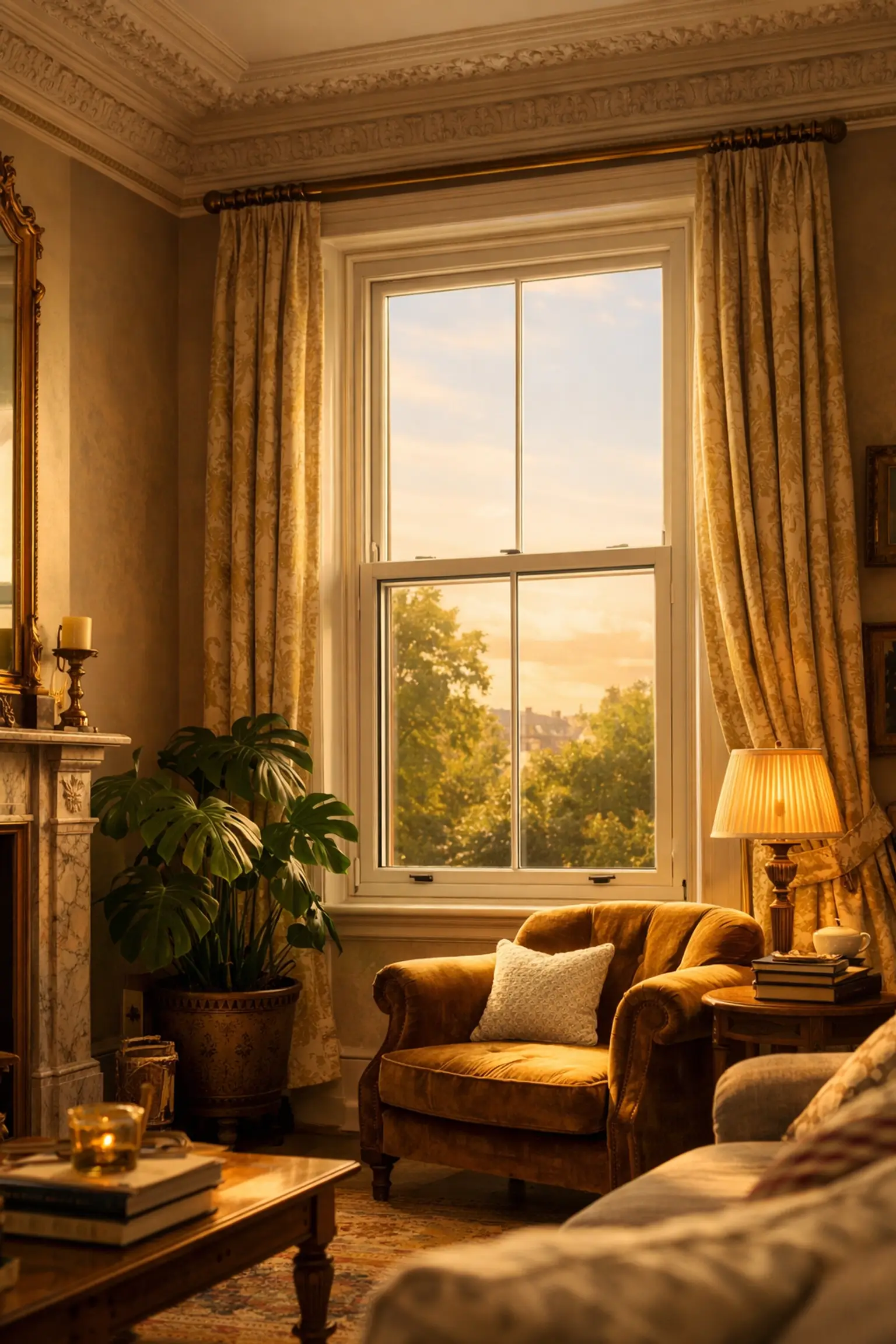
The main reason people choose secondary glazing is preservation. You get to keep the "face" of your home while adding a high-performance internal barrier.
Because secondary glazing is an internal addition, it rarely requires planning permission. It's a discreet second window frame installed on the room-side of your existing window. When done correctly, you barely notice it's there from the outside, and it blends seamlessly into your interior decor.
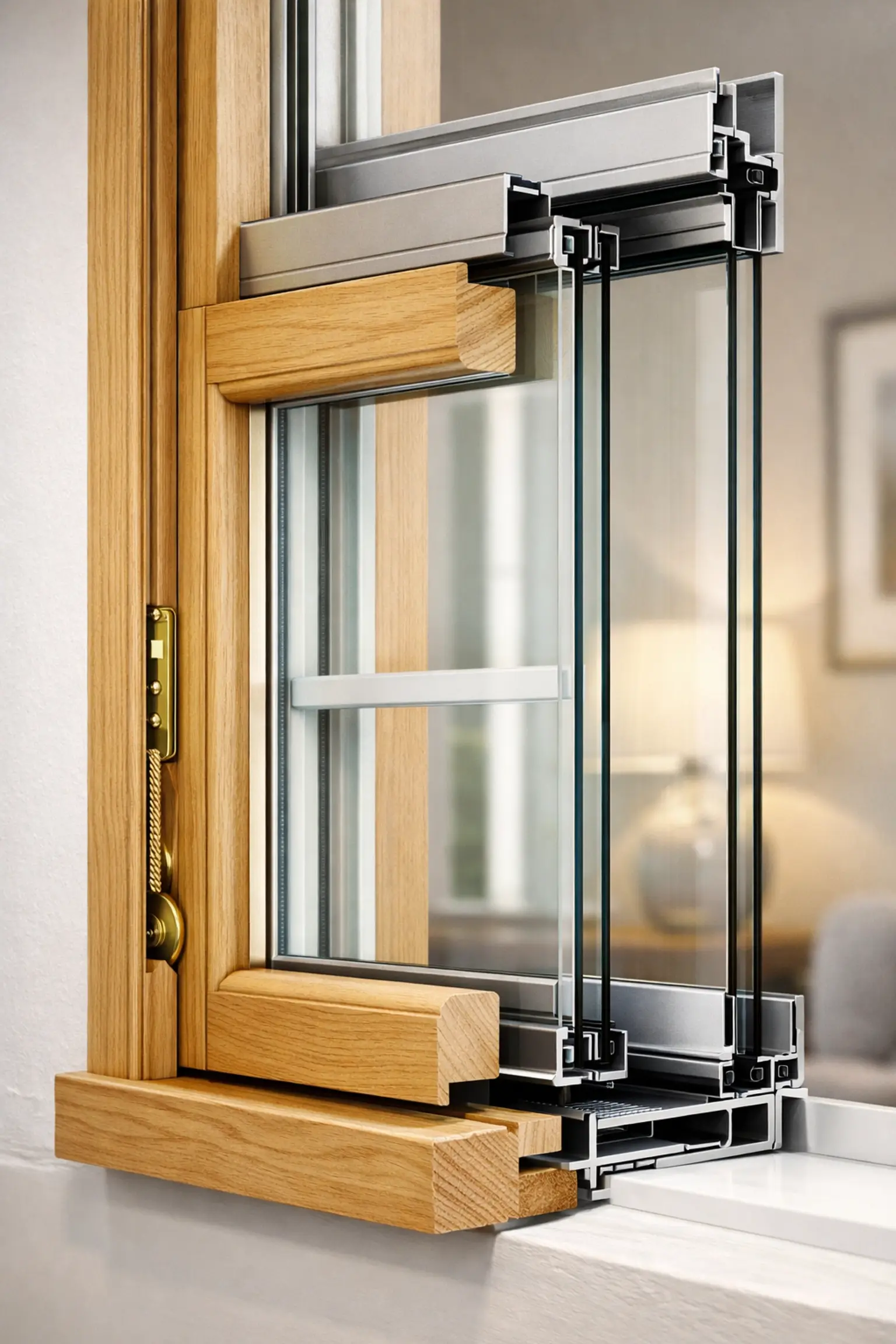
But it's not just about looks. The performance jump is massive. By adding a second layer of glass with a significant air gap (usually 60mm to 100mm), you create a thermal and acoustic buffer that standard double glazing simply can't match.
Comparing Styles: What Works Best for Sash Windows?
When it comes to sash windows, you can't just slap any old frame on the back and hope for the best. You need something that allows you to still operate your original windows. Here are the two main contenders:
1. Vertical Sliders (The Gold Standard)
If you have traditional sash windows, vertical sliders are almost always the right choice. These units are designed to mimic the movement of your original sashes. They feature two panels that slide up and down, just like the primary window.
The beauty of a vertical slider is that the "meeting rail" (where the two panes of glass meet in the middle) aligns perfectly with the meeting rail of your timber window. This means from the street, the secondary glazing is virtually invisible.
- Pros: Perfect visual alignment, easy access to open your original windows for ventilation, and many come with a "tilt-in" feature for easy cleaning.
- Cons: Slightly more complex to install than a fixed pane.
2. Hinged Casement Units
A hinged unit is basically a single large pane of glass that opens like a door into your room. These are great if you have a very large, unobstructed view and you don't open your windows often.
- Pros: Uninterrupted views and incredibly easy to clean.
- Cons: They require "swing space" inside your room. If you have furniture or curtains right in front of the window, a hinged unit might get in the way.
Understanding the Secondary Glazing Sash Windows Cost
Let's get to the question everyone asks first: "What is this going to cost me?"
We'll be straight with you, secondary glazing is significantly more affordable than high-quality timber window replacement. While a new bespoke timber sash window can easily cost £1,500 to £2,500 per opening, secondary glazing usually comes in at a fraction of that.
On average, the secondary glazing sash windows cost typically ranges from £300 to £600 per window, depending on the size and the type of glass you choose.
Several factors influence the final price:
- Window Size: Larger windows require more materials and thicker glass for safety.
- Glass Type: Standard 4mm glass is the cheapest, but if you want serious noise reduction, you'll want to look at laminate options.
- Frame Finish: Standard white is the most common, but custom RAL colours to match your interior paint will add a small premium.
- DIY vs. Professional: You can save on labour by ordering DIY kits, but for large, heavy vertical sliders, professional installation is usually the safer bet to ensure the units are perfectly level and airtight.
Thermal Efficiency: Say Goodbye to Drafts
Standard sash windows are notorious for "leaking" heat. Even if the wood is in good condition, the nature of the sliding mechanism means there are gaps where air can whistle through.
Secondary glazing creates an airtight seal. When we install a unit, we use high-quality compression seals that effectively "shut down" those drafts. Many homeowners find that their energy bills drop by up to 10-15% after treating their sash windows. If you opt for "Low-E" glass (which has a microscopic coating to reflect heat back into the room), the thermal performance rivals, and often beats, modern double glazing.
Noise Reduction: The "Silence" Factor
If you live on a busy road, this is likely your biggest priority. This is where secondary glazing truly shines.
Because there is a large gap between the original window and the secondary unit (the "cavity"), sound waves lose energy as they travel through. For the best results, we recommend a gap of at least 100mm.
But the real magic happens when you choose the right glass. While standard glass helps, 10.8mm acoustic laminate glass is the heavy hitter. This glass is made of two layers of glass bonded together with a special noise-dampening interlayer. It's incredibly dense and is designed to vibrate at a different frequency, effectively "killing" outside noise like sirens, buses, and heavy traffic.
If you're tired of being woken up by the world outside, 10.8mm acoustic glass is a game-changer. It's slightly more expensive than standard glass, but the improvement in your quality of sleep is priceless.

Professional Installation vs. DIY
Is secondary glazing a DIY job? Technically, yes. Many companies offer kits that are pre-assembled. However, sash windows can be tricky.
Traditional houses are rarely "square." Walls lean, sills are uneven, and frames might be slightly warped. A professional installer knows how to use "grounds" (timber sub-frames) to create a perfectly flat surface for the secondary glazing to sit against. This ensures the unit is 100% airtight. If there's even a tiny gap, the acoustic and thermal benefits drop significantly.
If you're looking for a professional finish that lasts decades, we always recommend getting a specialist to handle the measurement and fit. You can view our full range of services here.
Maintenance and Longevity
One of the best things about secondary glazing is how low-maintenance it is. Because the units are inside your home, they aren't exposed to rain, wind, or UV damage in the same way your external windows are.
To keep them looking great, all you really need to do is:
- Clean the glass: Just like any other window.
- Wipe the tracks: For vertical sliders, keep the tracks free of dust to ensure a smooth glide.
- Check the seals: Once a year, make sure the wool pile or rubber seals are clean and intact.
Unlike timber windows, you'll never have to sand, prime, or paint your secondary glazing. It's a "fit and forget" solution.
Final Thoughts: Is It Worth It?
If you have sash windows and you're struggling with cold or noise, secondary glazing is the most cost-effective and least intrusive solution available. It protects the heritage of your home, keeps your rooms warm, and provides a level of quiet that you probably haven't experienced in your house before.
When you factor in the secondary glazing sash windows cost versus the price of full replacement, it's a no-brainer for most homeowners. You get modern performance without losing an ounce of traditional charm.
Ready to transform your home? Whether you're interested in the ultimate silence of 10.8mm acoustic glass or just want to stop those winter drafts, we're here to help.
Ready to Get Started?
Contact us today for a free, no-obligation quote. Let's make your heritage home as comfortable as a modern one.
Contact Us TodayPlanning a project?
Get an instant estimate with our Secondary Glazing Cost Calculator or Book a Professional Sound Survey.
Related guides
Explore the dedicated London landing pages for the systems and property types covered above.
- Secondary glazing for sash windowsPurpose-built systems for London box sash windows — specs, prices and heritage detailing.
- Sliding secondary glazingHorizontal and vertical sliders for sash and casement windows — up to 51dB with full ventilation access.
- Lift-out secondary glazingThe most discreet, highest-sealing option for rarely-opened heritage windows.
- Secondary glazing for listed buildingsFully reversible, consent-friendly specifications for Grade I and Grade II properties.