
If you own a Georgian townhouse, a Victorian terrace, or a flat in a Grade II listed building, you've probably asked yourself this question at 3am while wearing two jumpers: "Can I actually do anything about these freezing, noisy windows without six months of bureaucratic hell?"
The short answer? Yes. And secondary glazing is your golden ticket.
The longer answer involves a few asterisks, some conservation officers, and the glorious British tradition of finding loopholes in planning law. Let's break it down.
The Beautiful Loophole: Why Secondary Glazing Usually Gets a Pass
Here's the thing that makes secondary glazing different from double glazing: it's internal, discreet, and completely reversible.
Unlike replacing your original sash windows with uPVC monstrosities (which will get you a stern letter from the council faster than you can say "heritage crime"), secondary glazing sits inside your existing windows. It's like adding a slim, almost invisible second layer of protection without touching the original features.
And in the eyes of planning law, that makes all the difference.
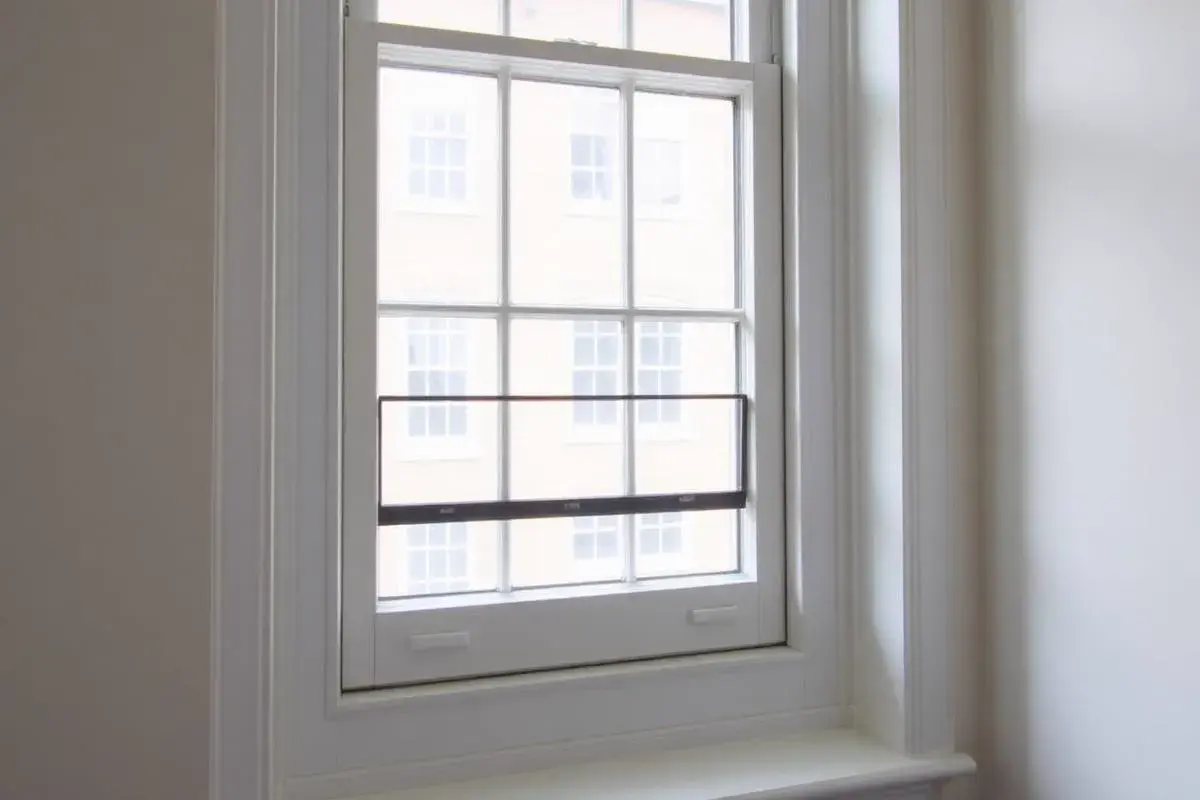
For most London properties, internal secondary glazing falls under "permitted development" — which is planning speak for "you don't need to ask permission." It's an alteration to the interior of your home, not the exterior streetscape, so councils generally don't care.
Think of it like redecorating your living room. You wouldn't ask the council if you can paint a wall magnolia, would you? Same principle applies here.
Listed Buildings: You'll Need Listed Building Consent (But Don't Panic)
Now, if your property is listed — whether it's Grade I, Grade II*, or Grade II — the rules get slightly more interesting.
You'll need Listed Building Consent for secondary glazing installations. But here's the reassuring bit: secondary glazing is almost always approved, and here's why:
✅ It's Reversible
Conservation officers love this. If future generations decide they hate your taste in window treatments, they can remove the secondary glazing without damaging the original historic fabric of the building.
✅ It Preserves the Original Windows
Your beautiful 200-year-old timber sashes stay exactly where they are, looking exactly as they should from the street. No one's ripping out heritage features here.
✅ It Has Minimal Visual Impact
Modern secondary glazing systems are slim, discreet, and often invisible from more than a few feet away. From the outside? Your building still looks like it did in 1820.
Historic England even recommends secondary glazing as the gold standard for improving energy efficiency in listed buildings. If the official heritage watchdog is on board, you're in good company.
Conservation Areas: Check for Article 4 Directions
Living in a Conservation Area? Your situation is a bit of a mixed bag.
Most of the time, internal secondary glazing doesn't require planning permission even in Conservation Areas, because — say it with me — it's an internal alteration.
But there's a sneaky exception called an Article 4 Direction, which some councils use to remove permitted development rights in particularly sensitive areas. If your street has one of these, you might need conservation area planning permission before installing secondary glazing.
How do you find out? Ring your local planning authority and ask. Or check their website. Most councils have Article 4 Direction maps online, and a quick 5-minute call can save you weeks of uncertainty.
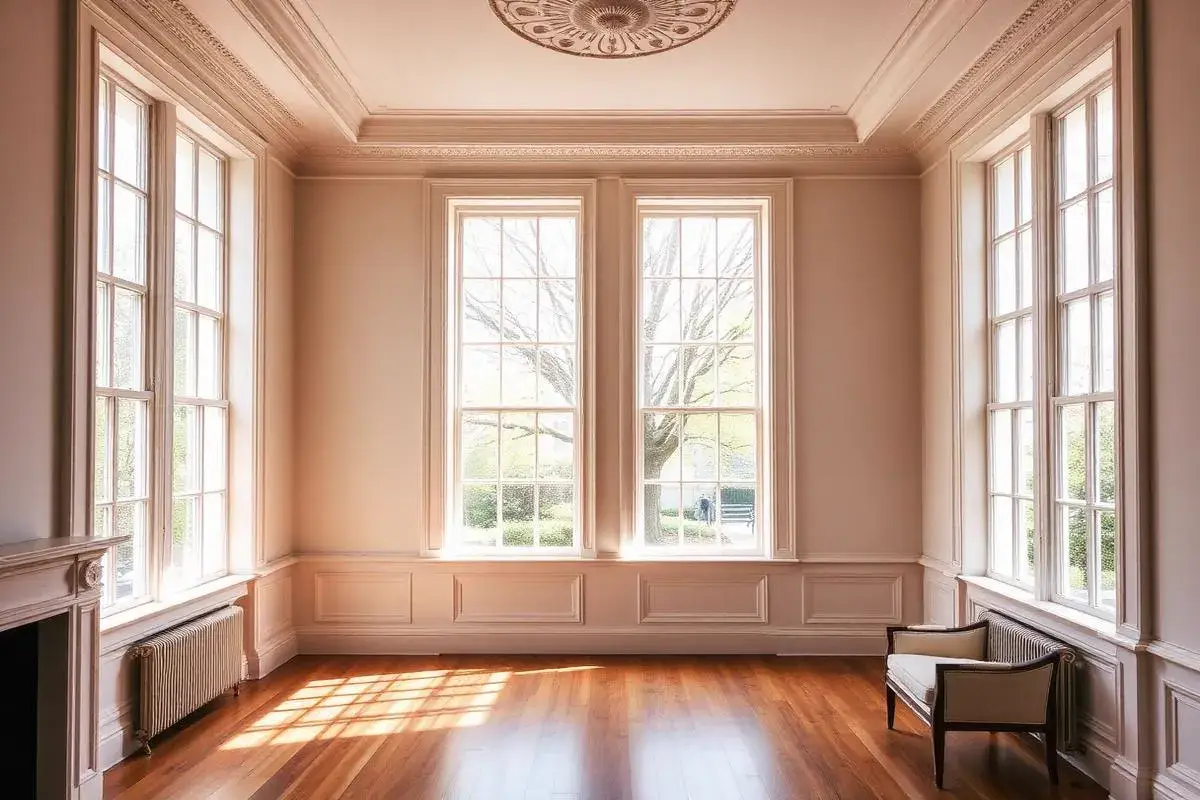
The Leaseholder Wildcard
Here's one that catches people off guard: even if you don't need planning permission, you might still need permission from your freeholder or management company.
Leaseholds often have clauses about alterations to the property, and technically, adding secondary glazing counts as an alteration. The good news? Most freeholders are reasonable human beings who understand that reducing noise and saving energy is a good thing.
Just send them a polite email explaining what you're planning, include some photos or specs of the system you're considering, and nine times out of ten, you'll get a "yes" within a week.
What the Approval Process Actually Looks Like
If you do need Listed Building Consent, here's what you're looking at:
⏱️ Timeline
About 8 weeks for the council to make a decision (though it can be faster if your case is straightforward).
💷 Cost
Application fees vary by council, but expect to pay somewhere between £100–£300.
📋 What You'll Need
Photos of your existing windows, details of the proposed secondary glazing system (your installer can help with this), and a short statement explaining why you need it.
Pro tip: Have an informal chat with your local conservation officer before submitting a formal application. They can tell you whether your proposal is likely to be approved, and sometimes they'll even suggest tweaks that make approval more certain. It's free advice, and it could save you an unsuccessful application fee.
Why Secondary Glazing is the Smart Choice for Listed Buildings
Let's talk brass tacks. If you're trying to make a listed building more liveable in 2026, you have limited options:
❌ Option 1: Replace the Windows
This will almost certainly be rejected, you'll waste application fees, and you might actually decrease the value of your property by removing original features.
❌ Option 2: Do Nothing
Freeze in winter, swelter in summer, listen to every bus that goes past, and watch your energy bills skyrocket. Not ideal.
✅ Option 3: Install Secondary Glazing
Get all the benefits of double glazing (noise reduction, thermal insulation, draught-proofing) without touching the original windows. This is why secondary glazing has become the go-to solution for heritage properties across London.
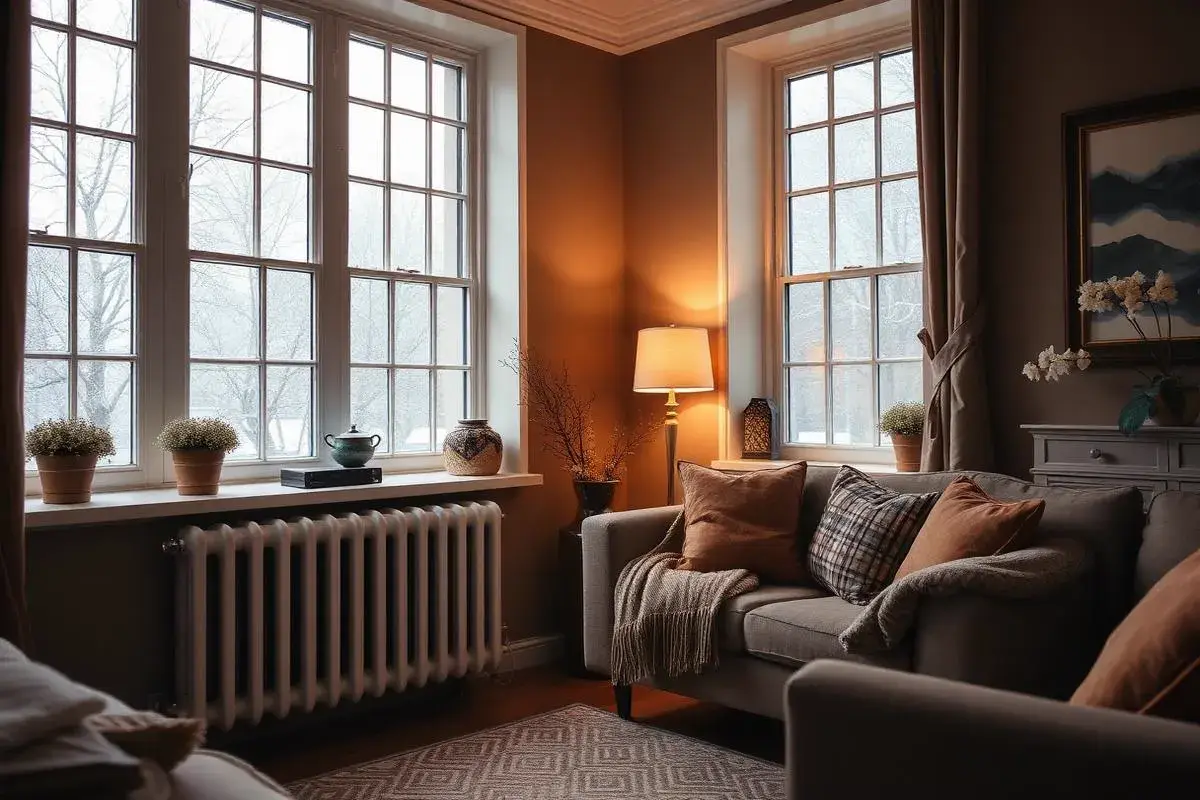
The best part? Modern secondary glazing systems like 10.8mm acoustic laminate can reduce noise by up to 54dB in suitable configurations and meaningfully improve thermal efficiency. That's double-glazing performance without the planning headache.
The Reality Check: Secondary Glazing Cost in London
"This all sounds great," you're thinking, "but what's it actually going to cost me?"
Fair question. Secondary glazing for listed buildings typically runs between £300–£800 per window, depending on size, specification, and whether you go for standard or acoustic glass.
Yes, that's more expensive than slapping in some cheap uPVC. But consider:
- You're preserving the character and value of a listed building
- You're avoiding the risk of planning refusal (and wasted fees)
- You're getting a solution that actually works with your heritage property
- You're not facing potential enforcement action for unauthorized alterations
When you factor in energy savings over the next decade, reduced heating bills, and the peace of mind that comes from doing things properly, secondary glazing cost in London starts to look pretty reasonable.
Your Next Steps
Here's your action plan:
1. Find Out Your Building's Status
Is it listed? Is it in a Conservation Area with an Article 4 Direction? Your local council's planning portal will tell you in about 30 seconds.
2. Check Your Lease
If you're a leaseholder, look for clauses about alterations and permissions. If in doubt, email your freeholder.
3. Get Quotes from Reputable Installers
Look for companies that have experience working with listed buildings and heritage properties. They'll know the planning landscape inside-out.
4. Speak to Your Conservation Officer
If you need Listed Building Consent, this informal chat could save you time, money, and stress.
Need help finding experienced secondary glazing installers in your area? Check out installers across London and the UK who specialize in heritage properties.
The Bottom Line
Do you need planning permission for secondary glazing in London? Usually no. Sometimes yes. But even when you do, it's rarely a problem.
Secondary glazing is the rare case where heritage preservation and modern comfort align perfectly. It's the loophole that lets you live comfortably in a listed building without compromising its character or breaking any rules.
So if you've been putting off dealing with those draughty, noisy windows because you assumed it would be a planning nightmare, here's the truth: it's probably easier than you think.
And definitely easier than wearing three jumpers all winter.
Ready to Explore Secondary Glazing for Your Heritage Property?
Get expert advice on planning permission, Listed Building Consent, and the best acoustic glazing for your period home.
Want to find out more about how secondary glazing can transform your space? Get in touch at info@secondaryglazingspecialist.co.uk and let's talk about bringing some peace back to your period property.
Related guides
Explore the dedicated London landing pages for the systems and property types covered above.
- Secondary glazing for sash windowsPurpose-built systems for London box sash windows — specs, prices and heritage detailing.
- Sliding secondary glazingHorizontal and vertical sliders for sash and casement windows — up to 51dB with full ventilation access.
- Secondary glazing for listed buildingsFully reversible, consent-friendly specifications for Grade I and Grade II properties.
- Traffic noise secondary glazingSpecs matched to road-noise frequency profiles on London’s busiest streets.