Top 5 Noisiest Streets in Kensington & Chelsea – And How We Fix Them
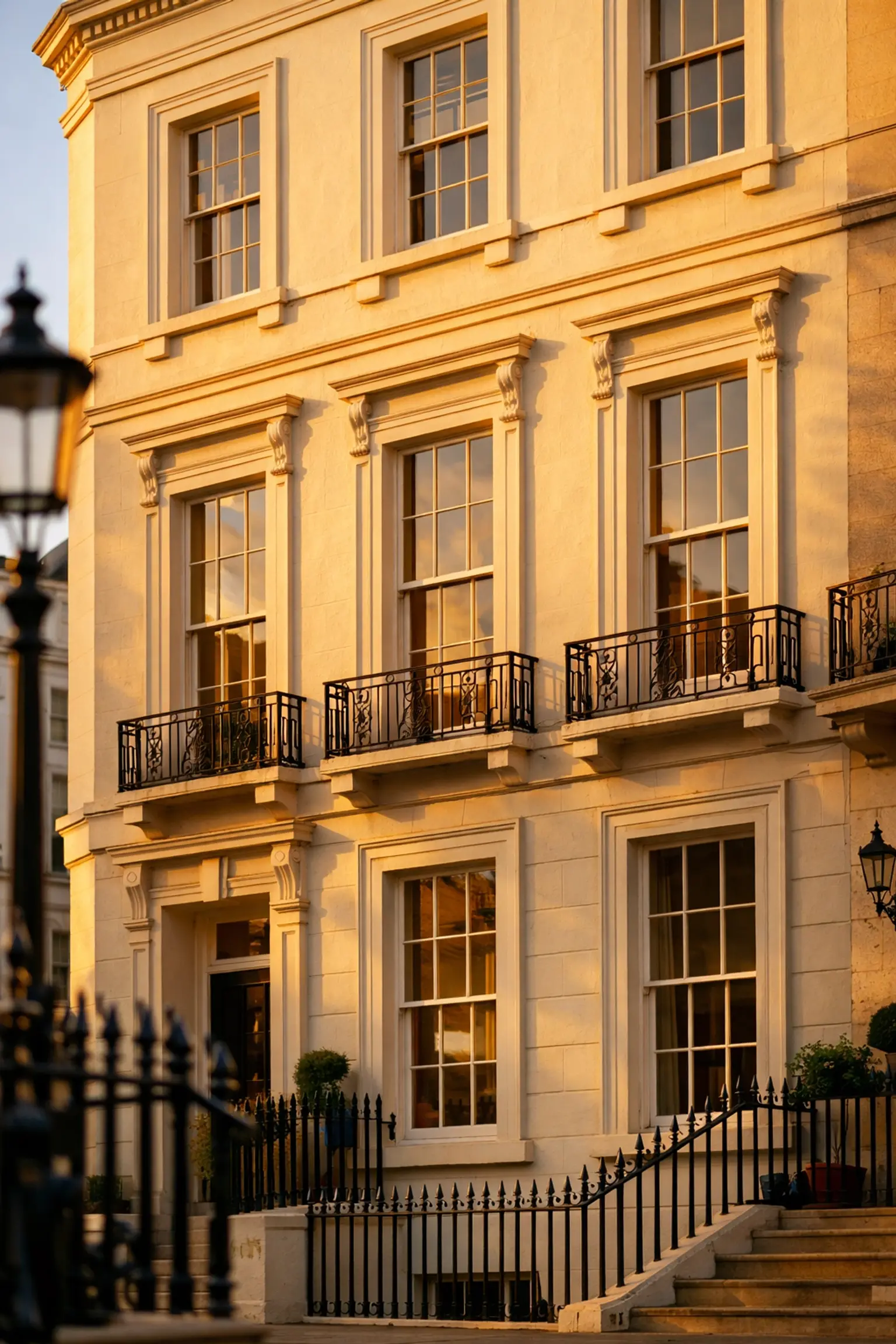
The Royal Borough of Kensington & Chelsea is one of London's most desirable postcodes — and one of its loudest. Between the tourist coaches crawling along Cromwell Road and the relentless traffic on Kensington High Street, residents in SW5, SW7, and W8 endure noise levels that rival a construction site.
We've surveyed hundreds of homes across RBKC. Here are the five streets where our sound-level meters consistently hit the highest readings — and exactly what we do about it.
1. Cromwell Road (SW5 / SW7) — 78–82 dB Peak
The A4 corridor from Earl's Court to South Kensington is a constant stream of heavy goods vehicles, airport coaches, and taxis heading to and from Heathrow. Properties along this stretch — particularly the elegant Victorian mansion blocks between Gloucester Road and Earl's Court Road — bear the full brunt.
| Metric | Before | After |
|---|---|---|
| Peak daytime dB (closed window) | 78 dB | 28 dB |
| Night-time average | 62 dB | 24 dB |
| Noise reduction achieved | 50 dB (80% perceived reduction) | |
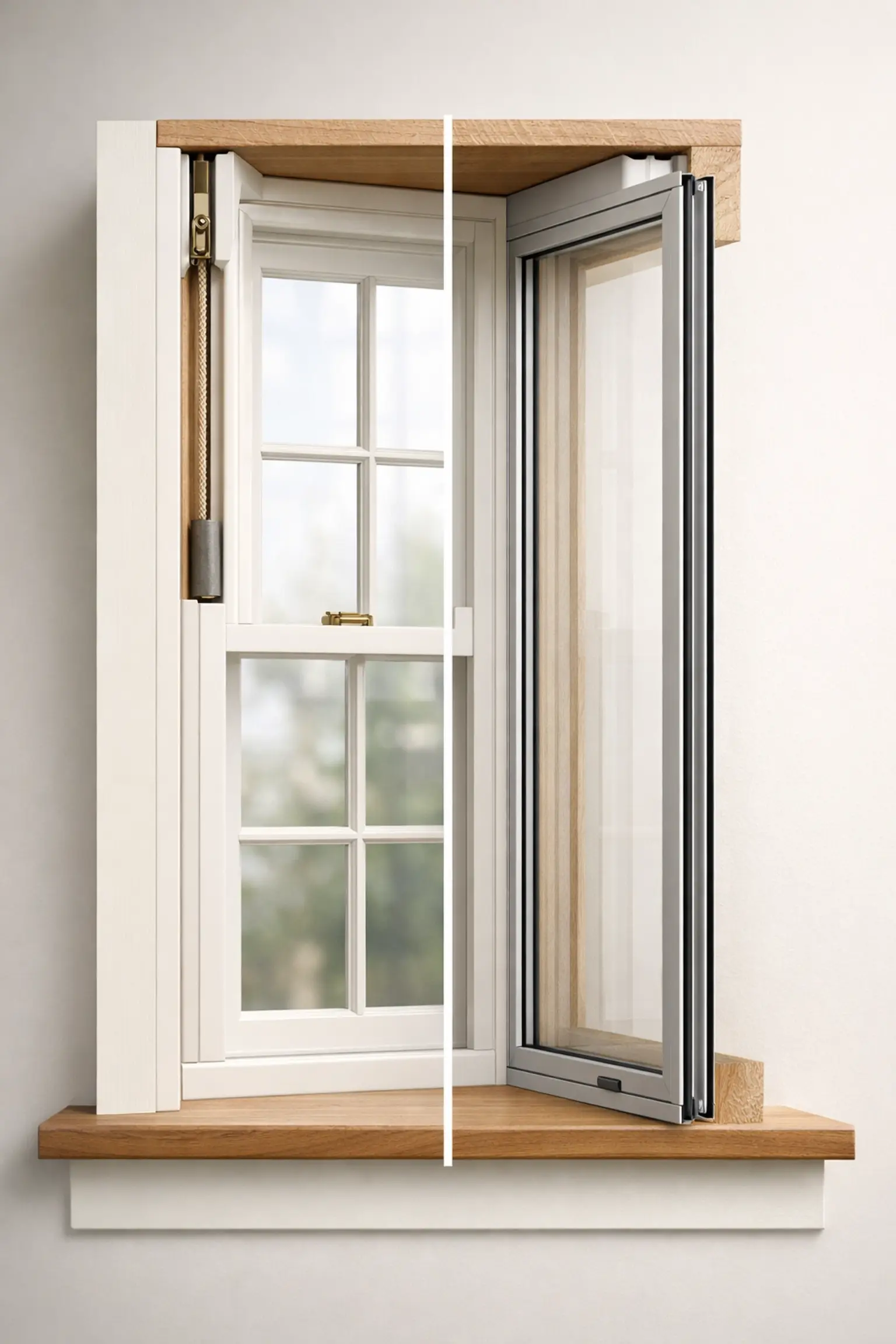
The fix: 10.8mm acoustic laminate glass with a 100mm air gap, installed in bespoke vertical sliders to match the original Victorian sash profiles. One client on Cromwell Road described the result as "like someone pressed a mute button on the entire street."
2. Kensington High Street (W8) — 75–80 dB Peak
🏛️ Living in a listed building or conservation area?
See how we navigate planning permission and protect your heritage windows. Read our conservation area guide →
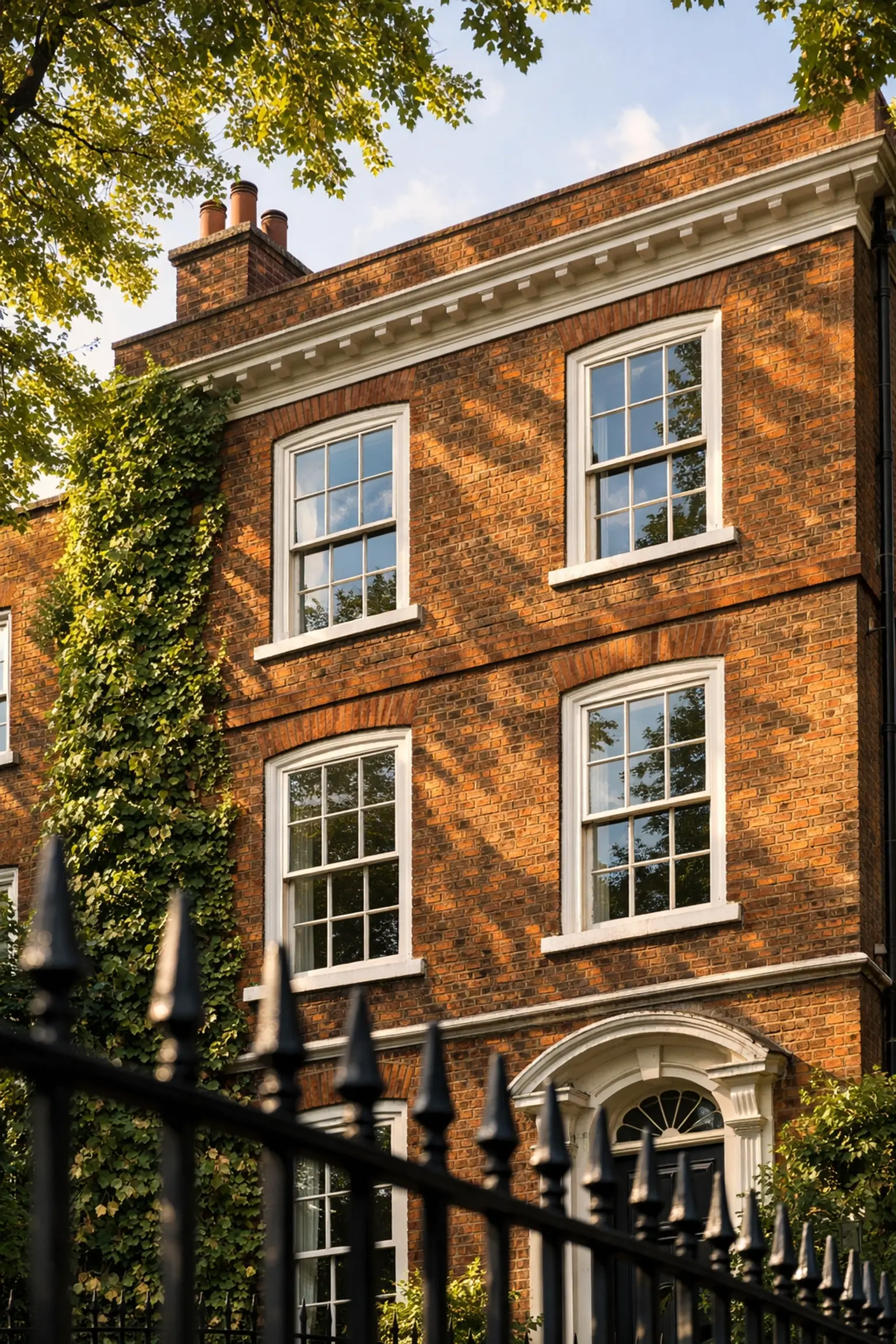
From Kensington Church Street to Olympia, the High Street is a relentless mix of buses, delivery lorries, and emergency vehicles heading to the nearby hospitals. Period properties above the retail units are worst affected — many still have original single-glazed sash windows from the 1880s.
Typical result: 76 dB → 26 dB indoors with our standard 10.8mm acoustic system. Conservation-approved slimline frames invisible from the street.
3. Earl's Court Road (SW5) — 74–78 dB Peak
The stretch between Cromwell Road and Old Brompton Road channels traffic noise upwards into the tall Victorian terraces. Add in the rumble from the Earl's Court Underground line below, and residents get a double dose of low-frequency and surface noise.
Typical result: 74 dB → 25 dB. We use a wider 150mm air gap here where reveal depth allows, specifically targeting the 80–160 Hz low-frequency rumble from the tube.
4. Old Brompton Road (SW5 / SW7) — 72–76 dB Peak
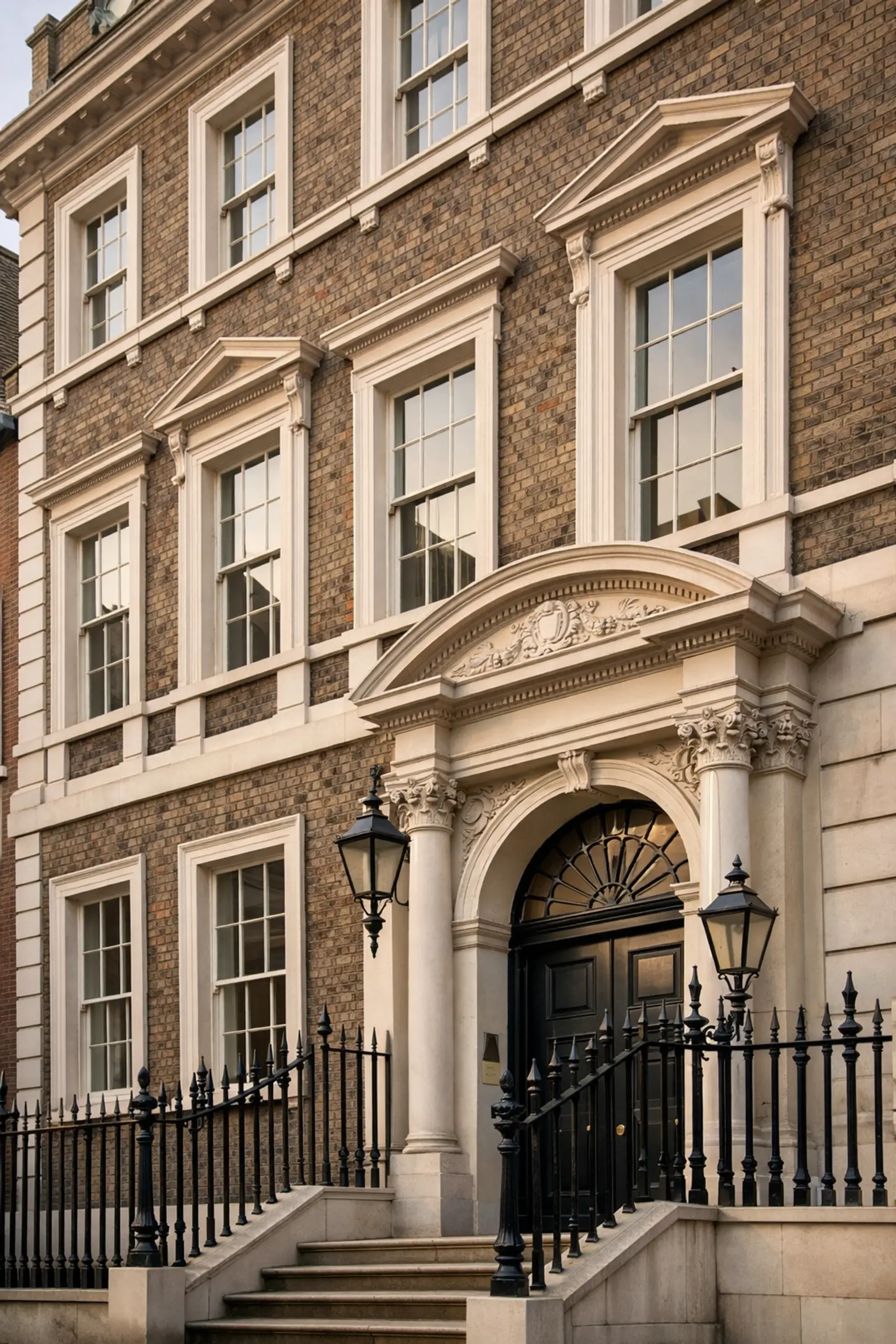
Running parallel to Cromwell Road, Old Brompton Road catches overspill traffic plus late-night noise from the area's restaurants and bars. The Georgian conversion flats near the junction with Drayton Gardens are particularly exposed.
Typical result: 72 dB → 24 dB. Combined acoustic and thermal benefit — residents report heating bills dropping 25–30% after installation.
5. Warwick Road (SW5 / W14) — 70–75 dB Peak
💷 Wondering about costs?
Use our calculator to get an instant estimate for your windows. Try the cost calculator →
Often overlooked, Warwick Road is a major bus route and rat-run between Cromwell Road and the Westway. The handsome red-brick mansion blocks here were built when "double glazing" meant having curtains.
Typical result: 70 dB → 23 dB. Several entire blocks have now been fitted, with residents reporting they can finally open internal doors without hearing the road.
How We Measure and Fix
Every project starts with a free noise assessment using calibrated Class 1 sound-level meters. We record ambient, peak, and frequency-weighted measurements at multiple points in the room, then model the expected reduction based on your specific window configuration.
Our standard specification — 10.8mm acoustic laminate glass with a minimum 100mm air gap — consistently delivers 45–54 dB of measured reduction. That's the difference between a busy London road and a quiet country lane.
All installations in RBKC are conservation-area approved with slimline frames that are virtually invisible from the street. We've completed over 200 installations across the borough with a 100% planning compliance record.
Living on one of Kensington's noisiest streets? Book your free noise assessment → and we'll show you the exact dB reduction you can expect.
See also: Kensington area guide · Full RBKC guide · Chelsea area guide
Solutions covered in this guide
Go straight to the dedicated London landing page for the system or property type discussed above.
- Traffic noise secondary glazingSpecs matched to road-noise frequency profiles on London’s busiest streets.
- Secondary glazing for sash windowsPurpose-built systems for London box sash windows — specs, prices and heritage detailing.
- Sliding secondary glazingHorizontal and vertical sliders for sash and casement windows — up to 51dB with full ventilation access.
- Secondary glazing for listed buildingsFully reversible, consent-friendly specifications for Grade I and Grade II properties.
Sources & References
Authoritative sources supporting the information on this page.
- Greater London Authority (2021). The London Plan 2021, Policy D14: Noise. Mayor of London.Open source
The London planning policy on reducing, managing and mitigating noise in homes across the capital.
- British Standards Institution (2014). Guidance on sound insulation and noise reduction for buildings (BS 8233:2014). BSI Standards.
Sets the recommended internal noise levels for bedrooms and living rooms used to judge how much glazing performance a home needs.
- World Health Organization Regional Office for Europe (2018). Environmental Noise Guidelines for the European Region. World Health Organization.Open source
Evidence-based guideline levels for road, rail and aircraft noise and their links to sleep disturbance and health.
- HM Government (2015). Approved Document E: Resistance to the passage of sound. The Building Regulations 2010.Open source
The statutory guidance on sound insulation in dwellings in England.
- British Standards Institution (2020). Acoustics: Rating of sound insulation in buildings and of building elements, Part 1: Airborne sound insulation (BS EN ISO 717-1). BSI Standards.
Defines the Rw and Rw+Ctr ratings used to compare the acoustic performance of glazing systems.
"We can actually sleep now. The 10.8mm glass made all the difference."
— Sarah M., Kensington
Planning a project?
Get an instant estimate with our Secondary Glazing Cost Calculator or Book a Professional Sound Survey.
Related services & guides
Move beyond the blog: jump straight to the matching service pages, cost tools and technical guides that go deeper on this topic.
- Specialist acoustic glazing service
The full acoustic glazing menu with dB targets and pricing.
- Transparent London secondary glazing pricing
Fixed 2026 prices per window with no hidden extras.
- ROI & payback calculator
Instant estimate for your window count, glass spec and property type.
- Request a free bespoke quote
Same-week written quote based on your exact requirements.