Top 5 Noisiest Streets in Hampstead & Highgate – Measured dB Data
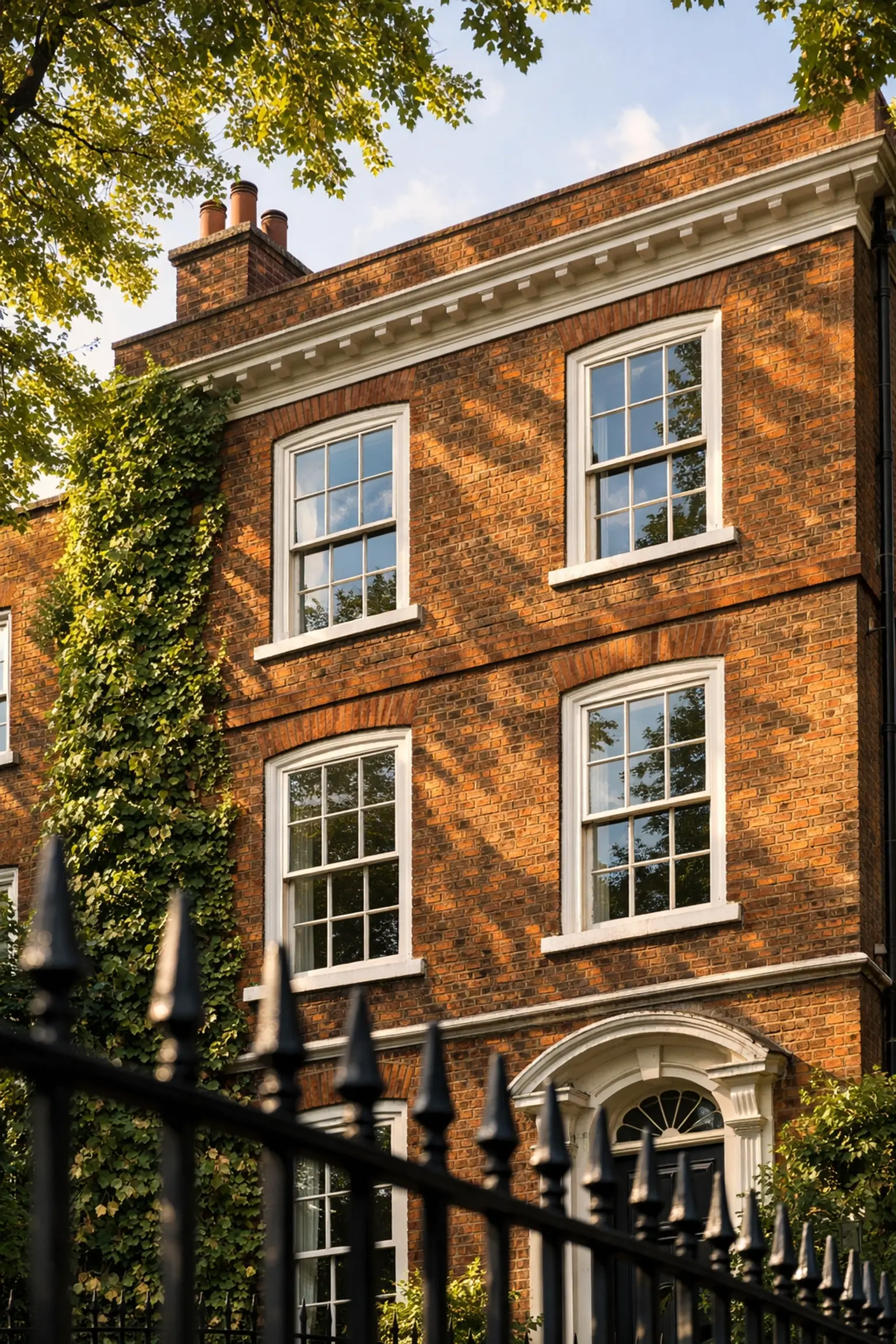
Hampstead and Highgate are two of London's most sought-after villages — tree-lined streets, the Heath on the doorstep, and some of the finest Georgian and Victorian architecture in the country. But beneath the charm, several major arterial roads pump noise deep into residential areas.
Here are the five streets where we consistently record the highest noise levels — and the solutions that bring the silence back.
1. Finchley Road (NW3) — 80–84 dB Peak
The A41 is one of North London's busiest roads. Properties on Finchley Road between Swiss Cottage and the O2 Centre endure a near-constant wall of traffic noise — heavy vehicles, buses on six routes, and the subsonic rumble of the Jubilee line below.
| Metric | Before | After |
|---|---|---|
| Peak daytime dB | 82 dB | 30 dB |
| Night-time average | 65 dB | 26 dB |
| Noise reduction | 52 dB (82% perceived reduction) | |
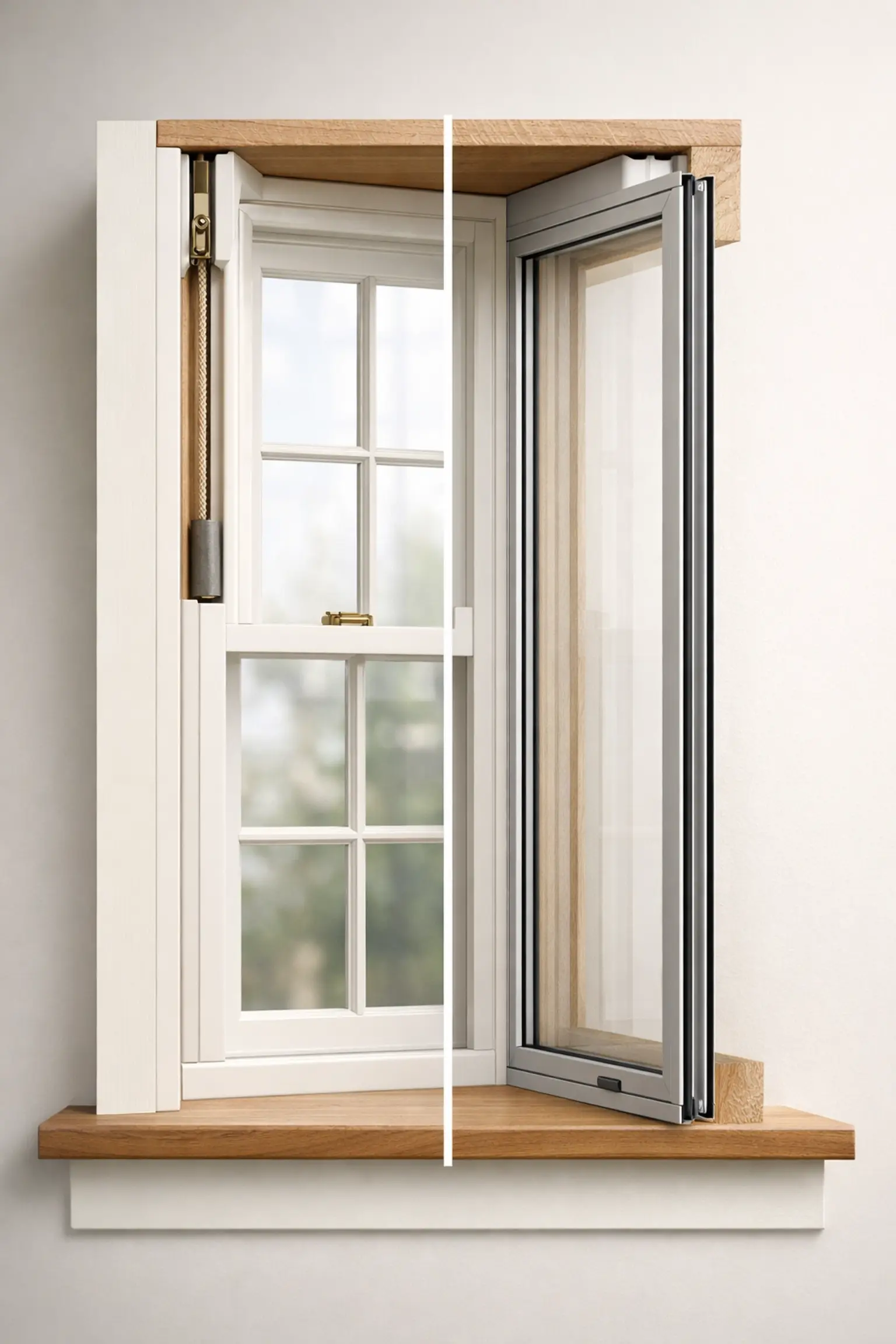
The fix: 10.8mm acoustic laminate with 150mm air gap. The wider gap is critical here to tackle the Jubilee line's low-frequency vibration that standard glazing can't touch.
2. Haverstock Hill (NW3) — 76–80 dB Peak
🏛️ Living in a listed building or conservation area?
See how we navigate planning permission and protect your heritage windows. Read our conservation area guide →
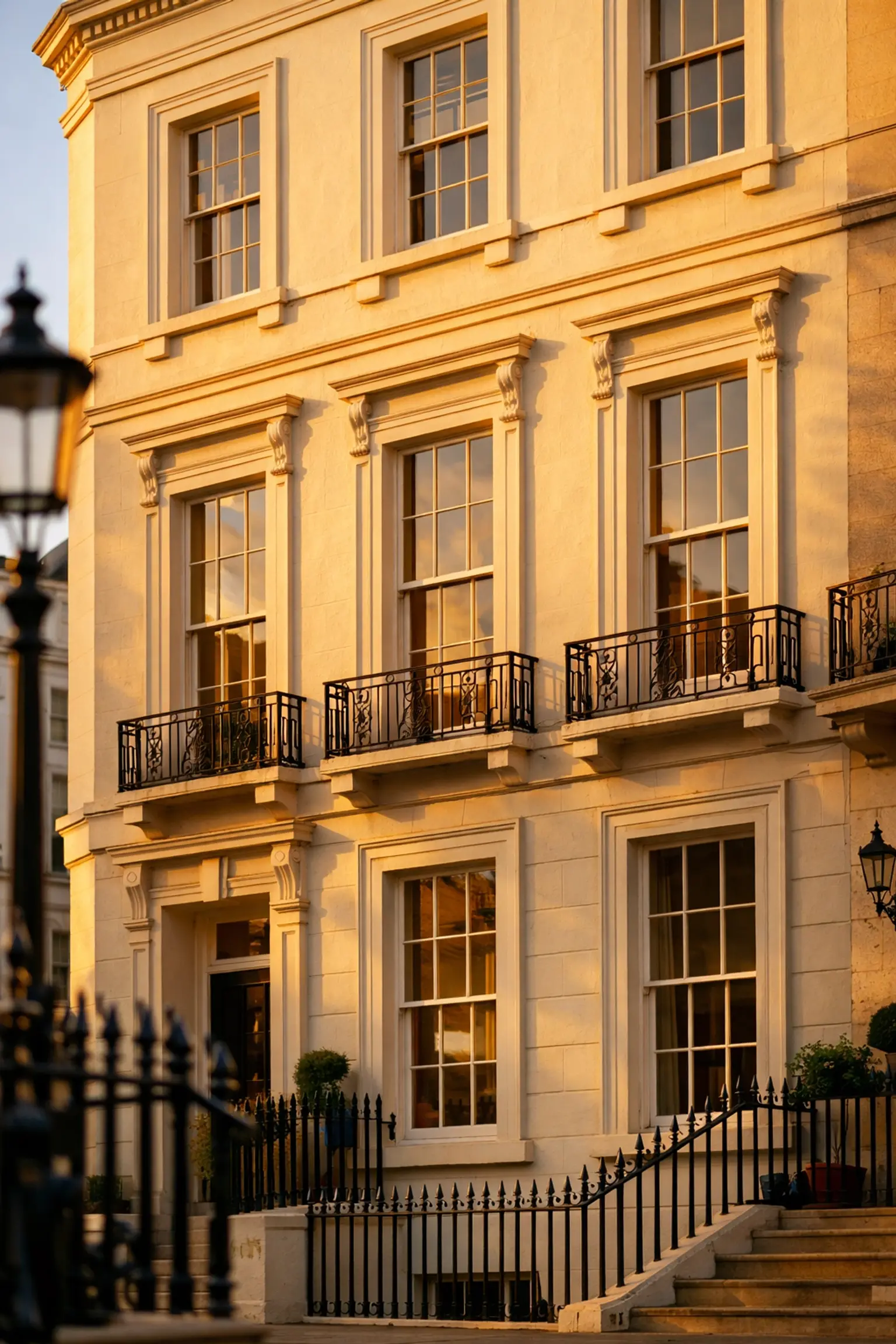
The steep climb from Chalk Farm to Belsize Park funnels bus noise and engine revving uphill. The elegant Victorian villas set back from the road still catch reflected sound from the opposite terrace, creating a canyon effect.
Typical result: 78 dB → 27 dB. Vertical sliders matched to original sash proportions with heritage-approved cream frames.
3. North End Way (NW3) — 72–76 dB Peak
Connecting Golders Green to Hampstead Heath, North End Way is a commuter rat-run with surprisingly high speed traffic for a residential area. The large detached houses here have big window openings that act as sound collectors.
Typical result: 74 dB → 24 dB. Large-format acoustic panels with tilt-for-cleaning functionality — essential for the generous bay windows typical of this street.
4. Heath Street (NW3) — 70–75 dB Peak
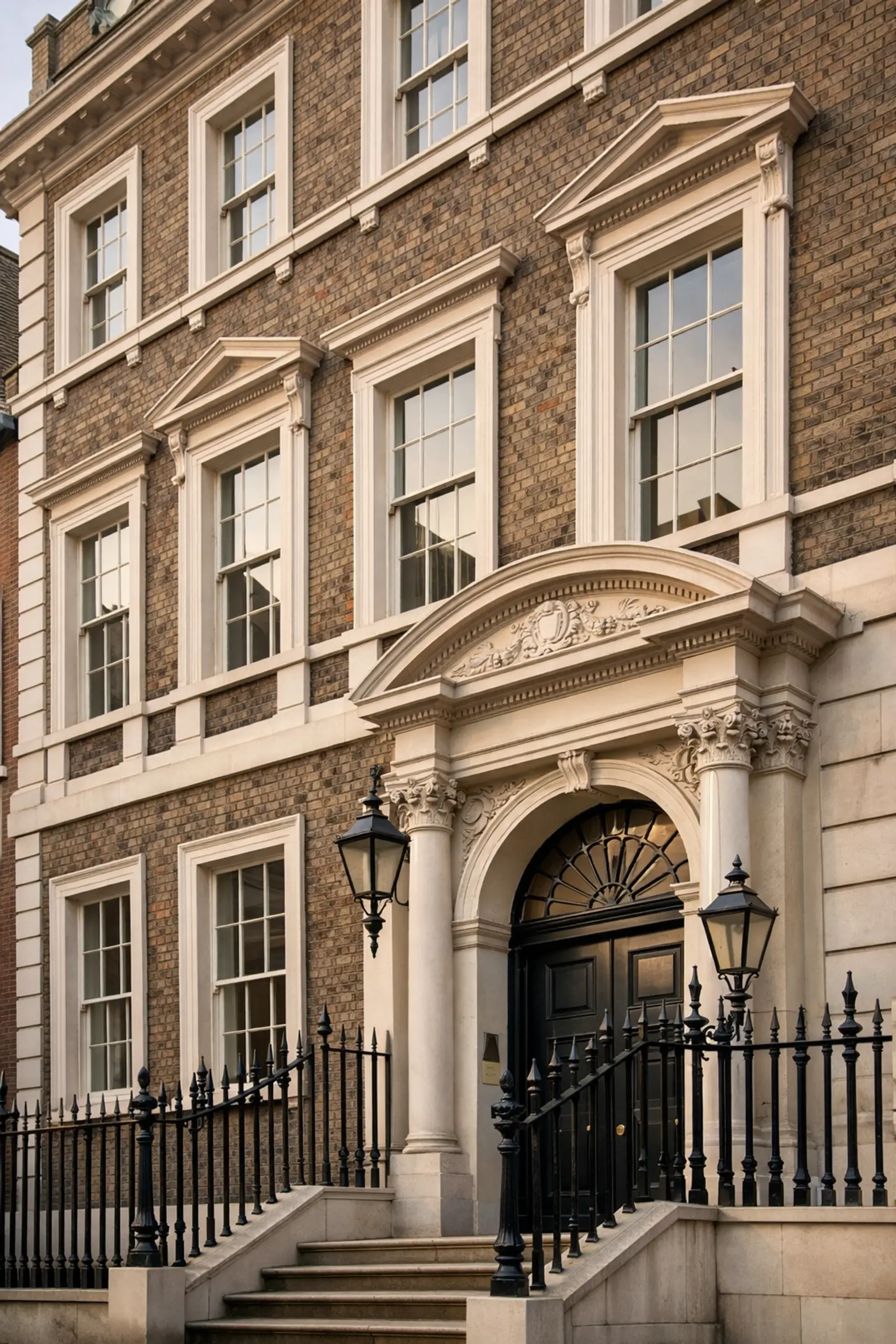
Hampstead Village's main street combines commercial delivery noise with tourist traffic heading to the Heath. The 18th-century shopfronts and flats above experience both road noise and crowd noise from the restaurants below.
Typical result: 72 dB → 25 dB. Slimline horizontal sliders for the narrow Georgian reveals, with acoustic seals rated for high-frequency crowd noise.
5. Archway Road / Highgate Hill (N6) — 74–78 dB Peak
💷 Wondering about costs?
Use our calculator to get an instant estimate for your windows. Try the cost calculator →
The A1 cuts through Highgate like a motorway through a village. Properties on Archway Road endure truck noise, emergency vehicle sirens from the Whittington Hospital, and the deep bass of heavy diesel engines climbing the hill.
Typical result: 76 dB → 26 dB. Extra-thick 10.8mm laminate with twin compression seals specifically calibrated for diesel-frequency noise.
Why Hampstead & Highgate Properties Need Specialist Treatment
Most homes in NW3 and N6 are in conservation areas or are individually listed. Standard off-the-shelf secondary glazing simply won't pass planning scrutiny — or perform acoustically.
Our installations use 10.8mm acoustic laminate glass with custom-profiled frames that follow the exact muntin and meeting-rail positions of your original sash windows. Every installation is fully reversible and compliant with Camden and Haringey conservation requirements.
Hear the Heath, not the traffic. Book your free noise assessment →
See also: Hampstead area guide · Full NW3 & N6 guide · Highgate area guide
Sources & ReferencesAI-verified
Authoritative sources supporting the information in this article.
- British Standards Institution (BSI) (2014). BS 8233:2014 Guidance on sound insulation and noise reduction for buildings. BS 8233:2014.Open source
Provides the industry-standard guidance for sound insulation and noise reduction in buildings, essential for benchmarking the dB levels measured in NW3 and N6.
- HM Government (Department for Levelling Up, Housing and Communities) (2015). Approved Document E - Resistance to the passage of sound. The National Planning Policy Framework (NPPF) / Building Regulations.Open source
The legal requirement for soundproofing in UK dwellings, providing the regulatory framework for any acoustic interventions in residential properties.
- Historic England (2016). Making Changes to Heritage Assets: Secondary Glazing and Acoustic Performance. Historic England Advice Note 2.Open source
Crucial for Hampstead and Highgate properties (often in Conservation Areas) where standard double glazing is prohibited, making secondary glazing the primary solution.
- Department for Environment, Food & Rural Affairs (DEFRA) (2019). Strategic Noise Mapping: London Agglomeration Data. DEFRA Strategic Noise Maps.Open source
Contains official strategic noise mapping data for London, which validates high decibel readings along major thoroughfares in NW3 and N6.
- Glass and Glazing Federation (GGF) (2021). The Guide to Best Practice in the Installation of Low-Emissivity Secondary Glazing. GGF Technical Manual Section 6.Open source
Provides technical data on the thermal and acoustic benefits of secondary glazing specifically for older properties prevalent in North London.
"Brilliant installation — completely invisible from outside. Conservation officer approved."
— David L., Westminster
Planning a project?
Get an instant estimate with our Secondary Glazing Cost Calculator or Book a Professional Sound Survey.
Related services & guides
Move beyond the blog: jump straight to the matching service pages, cost tools and technical guides that go deeper on this topic.
- Specialist acoustic glazing service
The full acoustic glazing menu with dB targets and pricing.
- Transparent London secondary glazing pricing
Fixed 2026 prices per window with no hidden extras.
- ROI & payback calculator
Instant estimate for your window count, glass spec and property type.
- Request a free bespoke quote
Same-week written quote based on your exact requirements.